
Tokyo Earthquake Warning: A Call to Action and Language Learning
Have you ever wondered how a city as vibrant and bustling as Tokyo prepares for the unthinkable? On December 19, 2001, the Japanese government released a sobering update on the potential impact of a major earthquake directly beneath the capital. This isn’t just a news headline—it’s a wake-up call framed as 自分ごと (jibun goto), or "one’s own issue," urging every individual to take personal responsibility. As you dive into this critical topic, you’ll also uncover authentic Japanese language and cultural insights, learning the way native speakers do in Japan.
The Stark Reality of a Capital Earthquake
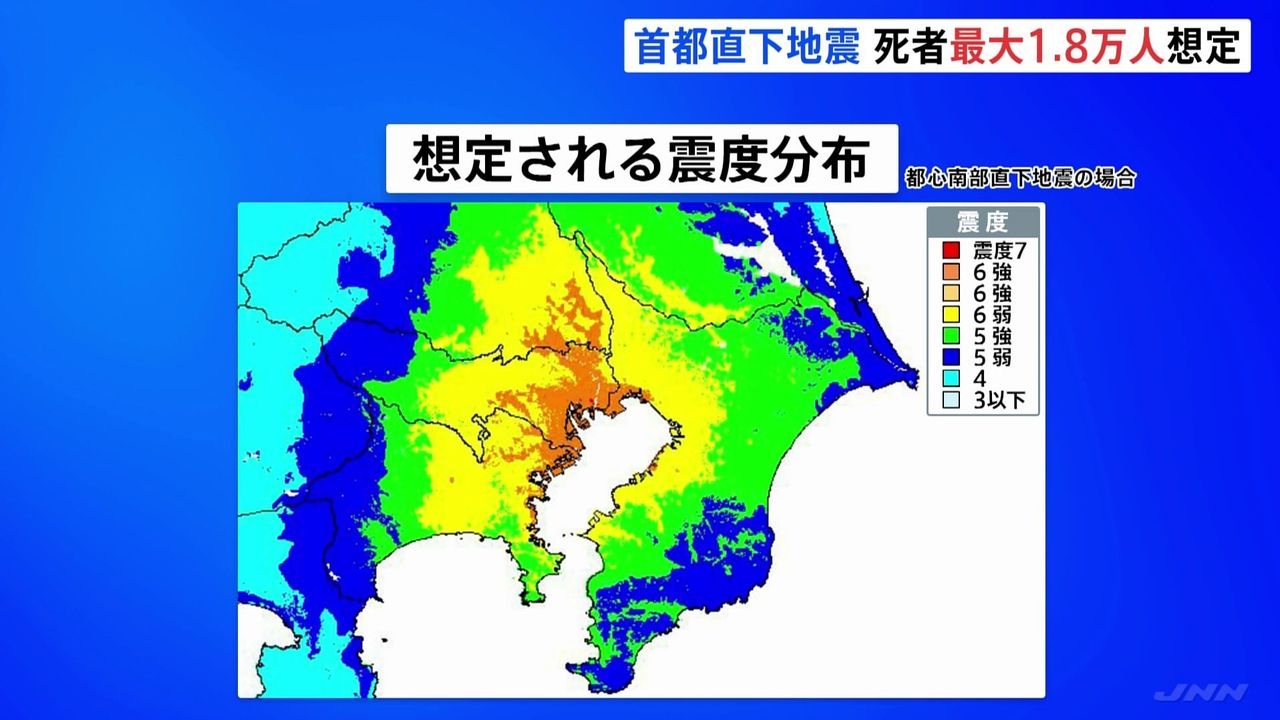
The latest government report on a 首都直下地震 (shuto chokka jishin), translated as "earthquake directly under the capital," reveals a chilling worst-case scenario. With an epicenter right beneath Tokyo—one of the world’s most densely populated areas—the estimated death toll could reach up to 18,000 people, described as 死者 (shisha), or "the deceased." This 想定 (soutei), meaning "estimation," accounts for modern infrastructure and population density, highlighting the potential 被害 (higai), or "damage," that could occur. More than just numbers, this 公表 (kouhyou), or "public announcement," serves as a reminder of how real and urgent this threat is.
A Personal and Collective Responsibility
What makes this report stand out is its tone. The government isn’t just sharing statistics; it’s calling on citizens to internalize the risk as 自分ごと (jibun goto), a powerful phrase that means treating something as your own personal matter. This push for individual action—whether through securing homes or preparing emergency kits—reflects Japan’s broader cultural expectation of collective responsibility. They’re urging people to adopt 対策 (taisaku), or "countermeasures," to lessen the impact of such a disaster. For language learners, this messaging offers a glimpse into how Japanese communication often bridges personal accountability with societal duty.
Cultural Context: Earthquakes in Japan’s History
Living in Japan means living with the constant reality of earthquakes, as the country sits on the Pacific Ring of Fire, a hotspot for tectonic activity. The term 首都直下地震 (shuto chokka jishin) isn’t just a technical phrase; it carries deep emotional weight tied to history. The 1923 Great Kanto Earthquake, which claimed over 100,000 lives in Tokyo, remains a defining moment in Japan’s collective memory. This past shapes everything from mandatory school drills to strict building codes today. When the government frames preparedness as 自分ごと (jibun goto), it taps into this shared cultural understanding of resilience—a reminder that survival depends on both individual and communal effort.
Learn Japanese from This Article
Let’s turn this serious topic into an opportunity to grow your Japanese skills. Here, you’ll find key vocabulary, grammar patterns, and expressions pulled directly from the context of this news report. This is how Japanese is taught in Japan—rooted in real-life usage and cultural nuance, not just textbook rules.
Key Vocabulary
| Japanese | Romaji | Meaning |
|---|---|---|
| 首都直下地震 | shuto chokka jishin | earthquake directly under the capital |
| 被害 | higai | damage, harm |
| 想定 | soutei | assumption, estimation |
| 対策 | taisaku | countermeasure, policy |
| 自分ごと | jibun goto | one’s own matter/issue |
| 死者 | shisha | the deceased, casualties |
| 公表 | kouhyou | public announcement, disclosure |
Grammar Spotlight: 〜にのぼる and 〜よう呼びかける
〜にのぼる (ni noboru) - to reach, to amount to This structure is often used to describe quantities or numbers reaching a certain level, especially in formal or statistical contexts like news reports.
- Structure: [Number/Quantity] + に + のぼる
- Example 1: 死者が18,000人にのぼる可能性がある。 (Shisha ga 18,000-nin ni noboru kanousei ga aru.) - "The number of casualties could reach 18,000."
- Example 2: 被害額が100億円にのぼる。 (Higai-gaku ga 100-oku en ni noboru.) - "The damage amount reaches 10 billion yen."
- When to use: Perfect for discussing totals or estimates, often in serious or official contexts.
〜よう呼びかける (you yobikakeru) - to call for, to urge (someone to do something) This pattern reflects a call to action, often seen in public messages or campaigns.
- Structure: [Verb in dictionary form] + よう + 呼びかける
- Example 1: 対策を立てるよう呼びかける。 (Taisaku o tateru you yobikakeru.) - "To urge (people) to take countermeasures."
- Example 2: 避難訓練に参加するよう呼びかける。 (Hinan kunren ni sanka suru you yobikakeru.) - "To call for participation in evacuation drills."
- When to use: Common in formal appeals or urgent requests, as seen in government announcements.
Useful Expression
A phrase you’ll encounter in discussions of personal responsibility is 自分ごと (jibun goto), meaning "one’s own matter." Unlike English, where we might say "take it personally," this term emphasizes internalizing an issue as something directly relevant to you. Use it when talking about taking ownership of a problem or situation, like disaster preparedness.
Closing Thoughts
As you’ve seen, learning Japanese isn’t just about memorizing words—it’s about understanding the cultural weight behind them. From the urgency of a 首都直下地震 (shuto chokka jishin) to the personal call of 自分ごと (jibun goto), this topic reveals how language, history, and societal values intertwine in Japan. Keep exploring these connections, and you’ll find your Japanese skills growing in authenticity and depth.
これからもよろしくお願いします。 Kore kara mo yoroshiku onegaishimasu.