
Shimamura’s Happy Bags: Unpack Japan’s Holiday Shopping Craze
Imagine standing in a chilly December dawn, bundled up and waiting in a long line just to snag a deal at a Japanese store. This isn’t Black Friday in the U.S.—this is the annual rush for ハッピーバッグ (Happī Baggu), or "Happy Bags," at しまむら (Shimamura), a beloved discount retailer in Japan. On December 17th, the first wave of these mystery bundles hit the shelves, with a standout fitness set priced at just 2,200 yen stealing the spotlight. If you’ve ever wondered what gets Japanese shoppers so excited during the holidays, let’s dive into this cultural phenomenon and uncover what it teaches us about life in Japan—plus, pick up some authentic Japanese along the way!
The Happy Bag Frenzy at Shimamura
Every year before Christmas, しまむら (Shimamura) releases their much-anticipated ハッピーバッグ (Happī Baggu), special discount bundles packed with surprise items at a fraction of their usual cost. These are a precursor to the traditional New Year’s 福袋 (fukubukuro, "lucky bags"), and they’re a magnet for budget-savvy shoppers. This time, one eager shopper arrived 15 minutes before the store opened on December 17th, joining a 行列 (gyōretsu, "line" or "queue") of about 15 people despite it being a weekday. The excitement was electric as more folks piled in behind.
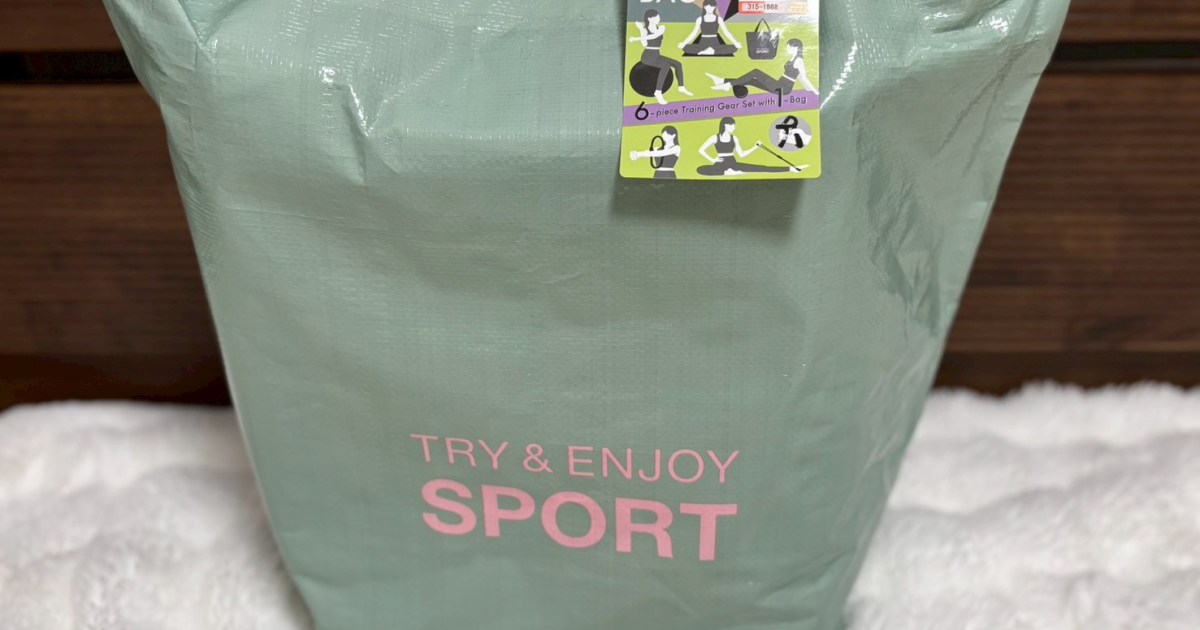
To manage the crowd, the store enforced 入場制限 (nyūjō seigen, "entry restrictions"), ensuring things didn’t spiral into chaos. Fortunately, the shopper snagged their prize: a フィットネスセット (fittonesu setto, "fitness set") for just 2,200 yen (about $15 USD). While other bags with heat packs like ホカロン (Hokaron) or underwear drew bigger crowds, this set was easier to grab. Unpacking it at home revealed an incredible haul—seven items including a balance ball, training band, hand grip, Pilates ring, foam roller, yoga mat, and a carrying bag. Talk about コスパ (kosupa, "cost-performance" or "value for money")! Individually, these could cost over 5,000 yen, making this a steal.
Putting the Fitness Set to the Test
With holiday laziness creeping in and a case of 運動不足 (undō busoku, "lack of exercise"), the shopper couldn’t wait to try out the gear. The hand grip, equipped with a rep counter, was perfect for casual use テレビを見ながら (terebi o minagara, "while watching TV"). The training band looked a bit flimsy but turned out versatile for stretching and strength exercises. The Pilates ring worked multiple muscle groups, the foam roller felt like a mini-massage for sore spots, and the foldable yoga mat was a breeze to store. The balance ball, though tricky to inflate with the included pump, quickly became a favorite—so much so that the shopper even wrote their review while sitting on it!
While it might not impress hardcore fitness enthusiasts, this set is ideal for beginners or anyone looking to combat holiday sluggishness. For 2,200 yen, the value is hard to beat, and it’s likely to get ヘビロテ (hebirote, "heavy rotation" or "frequent use") in many households.
More Happy Bags on the Horizon
Missed the first wave? Don’t worry—some fitness sets might still be in stock, and a second round of Happy Bags drops on December 20th. This batch includes themed sets like アナ雪 (Ana Yuki, "Frozen") and クロミちゃん (Kuromi-chan, a Sanrio character) for girls, plus Disney face towels, storage boxes, and Pokémon loungewear. Since it’s launching on a Saturday, it 混雑しそう (konzatsu shisō, "seems like it’ll be crowded"), so expect fierce competition. If you’re in Japan or know someone who is, these bags are a fun way to experience the holiday shopping madness firsthand.
Cultural Context: The Luck and Community of Mystery Bags
The tradition of 福袋 (fukubukuro, "lucky bags") and their pre-Christmas version, ハッピーバッグ (Happī Baggu), is more than just a sale—it’s a cultural ritual rooted in the idea of starting fresh with good fortune. Historically, merchants bundled unsold goods into mystery bags to clear inventory, offering customers a gamble on hidden treasures. Today, stores like しまむら (Shimamura), known for affordable clothing and home goods, turn this into a major event. But it’s not just about savings. Queuing up in the cold is a shared experience, reflecting Japanese values of community, patience, and perseverance. For many, snagging a bag isn’t just a deal—it’s a small victory, a test of luck, and a way to refresh for the year ahead.
Learn Japanese from This Article
If you’ve been following along, you’ve already noticed some key Japanese words and phrases popping up. Let’s break them down so you can start using them yourself, just like native speakers do in Japan. Plus, we’ll spotlight a couple of grammar patterns to help you sound more natural.
Key Vocabulary
| Japanese | Romaji | Meaning |
|---|---|---|
| 福袋 | fukubukuro | lucky bag, mystery bag sold at New Year |
| ハッピーバッグ | happī baggu | Happy Bag, a pre-Christmas discount bundle |
| 行列 | gyōretsu | line, queue |
| コスパ | kosupa | cost-performance, value for money |
| ヘビロテ | hebirote | heavy rotation, frequent use |
| 入場制限 | nyūjō seigen | entry restriction |
| 運動不足 | undō busoku | lack of exercise |
Grammar Spotlight
Let’s look at two useful grammar patterns that popped up in this story. These are taught to Japanese kids in school and used daily, so they’re a great way to level up your language skills.
〜ながら (nagara): While doing something, simultaneously
- Structure: Verb stem (remove ます) + ながら
- Usage: Use this to describe two actions happening at the same time. It often implies the speaker is multitasking.
- Examples:
- テレビを見ながら勉強します。 (Terebi o minagara benkyō shimasu.) - I study while watching TV.
- 音楽を聴きながら歩いています。 (Ongaku o kikinagara aruiteimasu.) - I’m walking while listening to music.
- コーヒーを飲みながら本を読みます。 (Kōhī o nominagara hon o yomimasu.) - I read a book while drinking coffee.
〜そう (sō): Seems like, looks like
- Structure: Verb stem/Adjective + そう (or なさそう for negative)
- Usage: Use this to express an impression or assumption based on appearance or situation.
- Examples:
- 雨が降りそうです。 (Ame ga furisō desu.) - It seems like it’s going to rain.
- この店は安そうです。 (Kono mise wa yasasō desu.) - This shop looks cheap.
- 彼は疲れていなさそうです。 (Kare wa tsukarete inasasō desu.) - He doesn’t seem tired.
Useful Expression
One phrase you’ll hear a lot when shopping or talking about deals in Japan is コスパがいい (kosupa ga ii), meaning "good value for money." It’s a casual way to praise something affordable yet high-quality, like the fitness set from しまむら (Shimamura). Try using it next time you find a bargain!
Closing Thoughts
Whether you’re dreaming of joining the ハッピーバッグ (Happī Baggu) rush or just curious about Japanese holiday traditions, there’s so much to learn from everyday moments like these. They’re not just about shopping—they’re windows into the culture, language, and values that shape life in Japan. Keep practicing with the words and grammar we’ve covered, and you’ll be chatting about deals and queues like a local in no time.
これからもよろしくお願いします。 Kore kara mo yoroshiku onegaishimasu.