
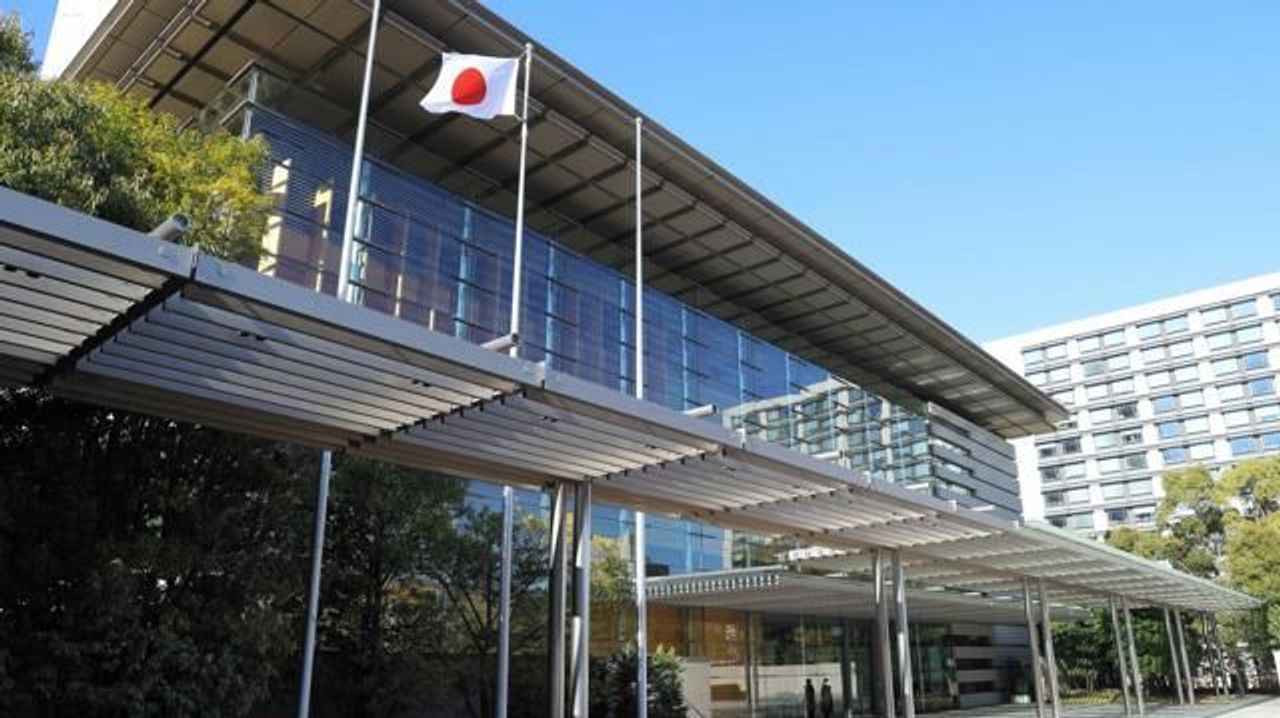
Japan’s Defense Debate: A Senior Official’s Nuclear Suggestion
Have you ever wondered how Japan, a nation known for its pacifist stance, navigates the tricky waters of national security in a tense global landscape? On December 18, 2001, a senior official from the 首相官邸 (shushou kantei - Prime Minister’s Office) sparked controversy with a personal opinion that Japan should consider possessing 核兵器 (kaku heiki - nuclear weapons). This bold statement, though not an official policy, opens up a fascinating discussion about Japan’s identity, safety, and place in the world. Let’s dive into this news story, uncover the cultural layers behind it, and pick up some authentic Japanese along the way.
A Rare Comment on National Security
During a conversation with the 報道陣 (houdoujin - press corps or reporters), a high-ranking advisor to Prime Minister 高市早苗 (Takaiichi Sanae) shared a personal view on Japan’s 安全保障 (anzen hoshou - national security). The official suggested that, given the increasingly 厳しい (kibishii - harsh or severe) security environment in East Asia, Japan might need to rethink its stance on nuclear armament. This wasn’t a formal 意見具申 (iken gushin - offering an opinion or suggestion to a superior) within government circles, nor is it under active policy discussion. Still, the comment highlights a growing unease about regional threats and Japan’s ability to defend itself.
The official also pointed out the legal and ethical barriers to such a shift, including Japan’s commitment to the 条約 (jouyaku - treaty) known as the Nuclear Non-Proliferation Treaty (NPT). This rare glimpse into internal debates shows how complex and sensitive the topic of defense remains in Japan.
Cultural Context: Pacifism vs. Modern Threats
If you’re new to Japanese history, you might find it surprising that nuclear weapons would even come up in conversation. Japan’s identity since World War II has been rooted in pacifism, shaped by the devastating nuclear bombings of Hiroshima and Nagasaki in 1945. Article 9 of Japan’s Constitution renounces war and aggressive military forces, while the nation has been a global advocate for nuclear disarmament. Japan’s adherence to the 核不拡散条約 (kaku fukakusan jouyaku - Nuclear Non-Proliferation Treaty) further cements its non-nuclear stance.
Yet, the modern security landscape—think North Korea’s nuclear tests or China’s expanding military influence—has led some to question whether pacifism alone can ensure safety. While most Japanese policymakers and citizens remain committed to peace and reliance on the U.S. for defense, voices like this official’s reveal an undercurrent of concern. This tension between historical values and current realities is a key part of understanding Japan today.
Learn Japanese from This Article
Let’s turn this news story into a learning opportunity. Here, you’ll find key vocabulary, grammar patterns, and expressions that reflect how Japanese is used in real-world contexts, just as native speakers encounter it.
Key Vocabulary
| Japanese | Romaji | Meaning |
|---|---|---|
| 首相官邸 | shushou kantei | Prime Minister’s Office |
| 安全保障 | anzen hoshou | national security |
| 核兵器 | kaku heiki | nuclear weapons |
| 報道陣 | houdoujin | press corps, reporters |
| 意見具申 | iken gushin | offering an opinion (to a superior) |
| 厳しい | kibishii | strict, severe, harsh |
| 条約 | jouyaku | treaty |
These words often pop up in news reports and political discussions. For instance, 厳しい (kibishii) isn’t just for describing tough situations—it’s also used for strict teachers or harsh weather. Try using it in different contexts to get a feel for its versatility!
Grammar Spotlight: 〜べきだ (Should, Ought To)
The structure 〜べきだ (~beki da) is used to express what someone should or ought to do, often with a sense of moral or logical necessity. It’s common in formal or advisory contexts, like the kind of debate we’re exploring in this article.
- Structure: Verb (dictionary form) + べきだ
- Examples:
- 日本は安全保障を強化すべきだ。 (Nihon wa anzen hoshou o kyouka subeki da.) Japan should strengthen its national security.
- 私たちは過去から学ぶべきだ。 (Watashitachi wa kako kara manabu beki da.) We ought to learn from the past.
- 条約を守るべきだ。 (Jouyaku o mamoru beki da.) We should uphold the treaty.
This pattern is great for expressing opinions in a strong but polite way. You’ll hear it in discussions about duty or responsibility.
Grammar Spotlight: 〜つつ (While, Although)
The structure 〜つつ (~tsutsu) connects two actions or states, often showing contrast (like “while” or “although” in English). It’s a bit formal and often used in written or serious spoken contexts, such as news or debates.
- Structure: Verb (stem form) + つつ
- Examples:
- 平和を望みつつ、安全保障の議論が続いている。 (Heiwa o nozomi tsutsu, anzen hoshou no giron ga tsuduite iru.) While hoping for peace, discussions on national security continue.
- 条約を守りつつ、新しい政策を考える必要がある。 (Jouyaku o mamori tsutsu, atarashii seisaku o kangaeru hitsuyou ga aru.) Although adhering to the treaty, there is a need to consider new policies.
Use 〜つつ to show nuance in your Japanese, especially when balancing two ideas or actions. It’s a step up from basic conjunctions like けど (kedo - but) and adds sophistication to your speech.
Closing Thoughts
Exploring news like this isn’t just about understanding current events—it’s a window into the Japanese language and mindset. By learning words like 核兵器 (kaku heiki) or structures like 〜べきだ (~beki da), you’re equipping yourself to engage with real Japanese content, the way it’s taught and spoken in Japan. Keep diving into these authentic stories, and you’ll discover how language and culture are deeply intertwined.
これからもよろしくお願いします。 Kore kara mo yoroshiku onegaishimasu.