
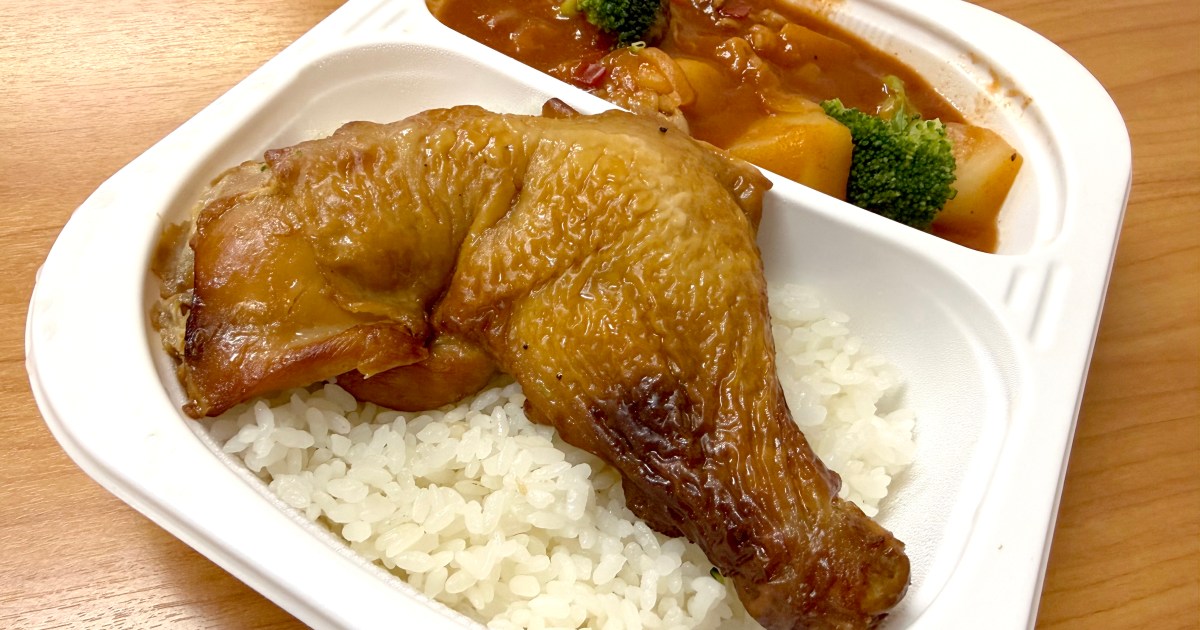
Hungarian Goulash at Hokka Hokka Tei: A Taste of the Osaka Expo
Imagine walking into your go-to Japanese takeout spot, ほっかほっか亭 (Hokka Hokka Tei), expecting the usual affordable bento, only to be greeted by something completely unexpected: a Hungarian dish called グヤーシュ (Guyāshu), priced at a surprising 1,480 yen with roast chicken. If you’ve ever wondered how global flavors find their way into everyday Japanese life, this fascinating cultural crossover tied to the Osaka-Kansai Expo is a perfect example. Let’s dive into this unique story and uncover some authentic Japanese language lessons along the way.
The Expo Flavor Revival
The Osaka-Kansai Expo was a massive event that ended in 大盛況 (daiseikyou - great success), despite early doubts. As the event drew its curtains with the phrase 幕を閉じる (maku o tojiru - to close the curtain, to end), it left behind unforgettable memories, from the quirky mascot ミャクミャク (Myaku-Myaku) to a vibrant blend of global cultures. With 158 countries and regions participating, the food scene was a highlight, introducing many Japanese to new tastes. One dish that captured hearts was グヤーシュ (Guyāshu), a traditional Hungarian soup served at the Hungary Pavilion.
Inspired by this unique flavor, popular Japanese culinary researcher Ryūji felt a deep 感動 (kandou - being moved, touched emotionally) and decided to bring it to the masses. Partnering with ほっかほっか亭 (Hokka Hokka Tei), a beloved bento chain, he spearheaded a 復活 (fukkatsu - revival, comeback) of this Expo taste. After numerous trials, their version of グヤーシュ launched on December 18, 2025. At 980 yen for the base dish or 1,480 yen with roast chicken, it’s a premium item compared to the usual 600-yen bento—practically a luxury in the world of quick, 手軽 (tegaru - easy, convenient) Japanese meals.
A Taste of Hungary in a Bento Box
So, what is グヤーシュ (Guyāshu)? In Hungary, it’s a staple soup, much like Japan’s 味噌汁 (misoshiru - miso soup) in cultural importance—a comforting, everyday dish. While it’s more of a thick stew in places like Germany, the ほっかほっか亭 version leans toward a soup with a bold flavor: sharp 酸味 (sanmi - sourness, acidity) from tomatoes paired with the earthy aroma of cumin. Described as a “hashed beef without sweetness,” it’s a mature taste that seems like it’s geared toward adults—子供向けではないだろうか (kodomo-muke dewa nai darou ka - Don’t you think it’s not for kids?).
Yet, its clean acidity makes it surprisingly light, pairing beautifully with rice in true Japanese style. The optional roast chicken adds a tender, juicy bite, though some might question if it’s necessary. For many, this bento is a rare chance to experience an obscure Hungarian flavor without leaving Japan—a small echo of the Expo’s global spirit.
Cultural Context: Fusion in Everyday Japan
If you’re new to Japanese food culture, ほっかほっか亭 (Hokka Hokka Tei) isn’t just fast food—it’s a cherished chain offering hot, affordable bento meals, a lifesaver for busy workers and students. Introducing an international dish like グヤーシュ at such a high price point reflects a growing trend in Japan: a curiosity for global cuisines, especially after events like the Expo. The Osaka-Kansai Expo was a celebration of cultural exchange, and food became a bridge to distant lands.
Ryūji’s involvement also showcases Japan’s knack for blending tradition with innovation. His drive to share this flavor mirrors the spirit of おもてなし (omotenashi - heartfelt hospitality), a core Japanese value of anticipating others’ needs—even if it means introducing foreign tastes in a familiar bento format. This fusion of Hungarian and Japanese sensibilities is a snapshot of how globalization weaves into daily life here.
Learn Japanese from This Article
Let’s turn this tasty story into a learning opportunity. Here, you’ll find vocabulary, grammar, and expressions pulled straight from the context of this cultural crossover. These are words and patterns you’d hear in Japan, taught the way native speakers learn them.
Key Vocabulary
| Japanese | Romaji | Meaning |
|---|---|---|
| 大盛況 | daiseikyou | great success, thriving |
| 幕を閉じる | maku o tojiru | to close the curtain, to end |
| 復活 | fukkatsu | revival, comeback |
| 感動 | kandou | being moved, touched emotionally |
| 酸味 | sanmi | sourness, acidity |
| 手軽 | tegaru | easy, convenient |
Grammar Spotlight: 〜らしい and 〜ではないだろうか
〜らしい (rashii) - Seems like, I heard that This pattern is used to express something you’ve heard or inferred, often with a sense of uncertainty. It’s perfect for sharing news or observations, much like rumors about new food trends in Japan.
- Structure: Verb/Adjective + らしい
- Examples:
- この弁当は大人気らしい。 (Kono bentou wa daihitsu rashii.
- I heard this bento is super popular.)
- グヤーシュはハンガリーの伝統的な料理らしい。 (Guyāshu wa Hangarī no dentouteki na ryouri rashii.
- It seems Goulash is a traditional Hungarian dish.)
- Use it when: Sharing information you’re not 100% sure about or relaying something you’ve heard.
〜ではないだろうか (dewa nai darou ka) - Isn’t it...?, Don’t you think...? This pattern softens a question or opinion, making it sound thoughtful or speculative. It’s a polite way to engage others in conversation.
- Structure: Verb/Adjective + ではないだろうか
- Examples:
- この味は子供向けではないだろうか。 (Kono aji wa kodomo-muke dewa nai darou ka.
- Don’t you think this flavor isn’t for kids?)
- 価格が高いではないだろうか。 (Kakaku ga takai dewa nai darou ka.
- Isn’t the price high?)
- Use it when: You want to express an opinion or invite agreement without sounding too direct.
Useful Expression
- おもてなし (omotenashi
- heartfelt hospitality) This isn’t just “hospitality”—it’s the Japanese art of anticipating someone’s needs before they even ask. You’ll hear it in contexts of service, events, or even personal gestures. Next time you’re welcomed warmly in Japan, think of this word!
Learning Japanese this way—through real stories and cultural moments—helps you grasp not just the “what” but the “why” behind the language. Keep practicing these words and patterns, and you’ll sound more natural in no time.
Closing Thoughts
From the global stage of the Osaka-Kansai Expo to your local ほっかほっか亭 (Hokka Hokka Tei), this story of グヤーシュ (Guyāshu) shows how Japanese culture embraces the world while staying true to its roots. Whether you’re intrigued by the flavors or the language lessons, there’s always something new to discover in Japan. Keep exploring with us, and let’s learn authentic Japanese together.
これからもよろしくお願いします。 Kore kara mo yoroshiku onegaishimasu.