
Discover Japan’s Coziest Innovation: “Wearable Moisturizing Cream” Pajamas at Aeon
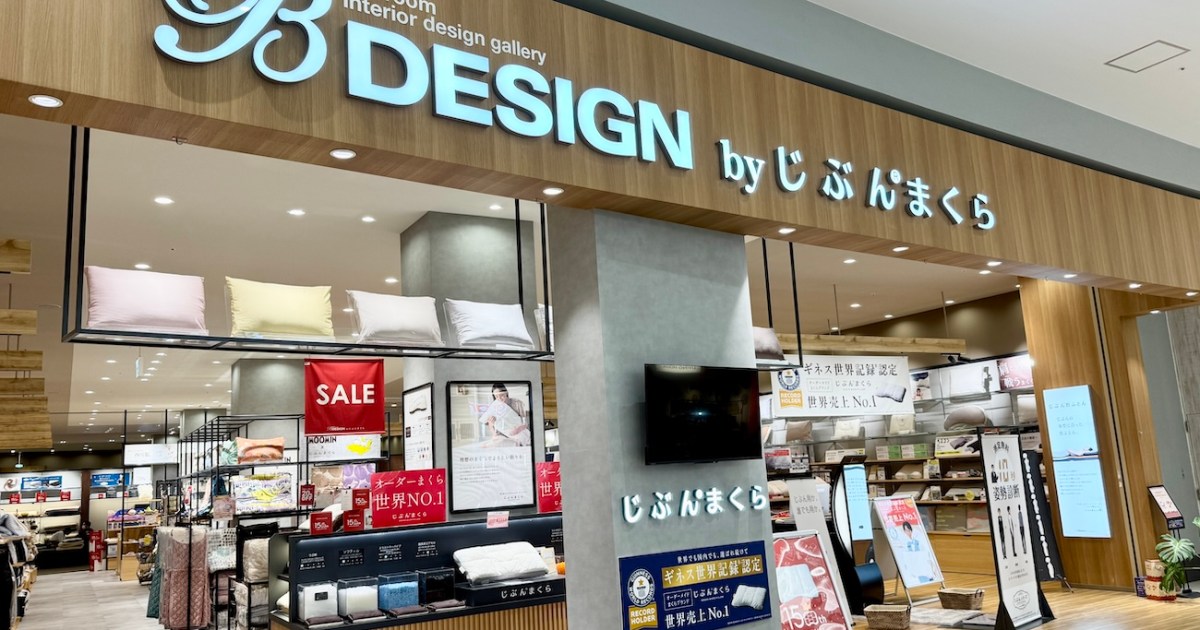
Have you ever stumbled upon something so uniquely Japanese that it just stops you in your tracks? The other day, while wandering through an Aeon mall, I came across a bedding store called じぶんまくら (jibun makura - "My Pillow") with a product that sounded almost too good to be true: pajamas marketed as “wearable moisturizing cream.” With winter dryness setting in and a price of just 4,389 yen for a 100% cotton set, I couldn’t resist picking up a pair. Spoiler alert—they’ve completely changed my sleep game, and I’m thrilled to share this slice of Japanese innovation with you while helping you pick up some authentic language along the way.
Unpacking the “Wearable Moisturizing Cream” Hype
These aren’t just any pajamas; they’re part of the ToRiCo (toriko - “captivated” or “enchanted”) series, and they’re a massive hit across Japan. A quick search on Rakuten, Japan’s go-to online marketplace, showed over 550 reviews with an impressive 4.68 rating. Even Japanese celebrity MEGUMI has raved about them on a talk show as a must-have. What’s the secret? The fabric, called とりこガーゼ (toriko gāze - “captivating gauze”), is infused with natural goodies like shea butter, olive oil, and silk amino acids. It’s designed to nourish your skin while you sleep—basically, it’s like wearing a spa treatment to bed. I couldn’t believe my luck stumbling upon such a cult favorite just by browsing a mall!
My Take After a Week of Wear
After wearing these パジャマ (pajama - pajamas) for over a week, I can honestly say the hype is real. The 生地 (kiji - fabric) feels incredibly 柔らかい (yawarakai - soft, gentle) and light, with no irritation or itchiness—just pure 着心地 (kigokochi - comfort of wearing clothes). There’s no stiffness when I roll over in bed, and they don’t feel stuffy despite being ideal for winter. What’s amazing is how the material gets even better with each 洗濯 (sentaku - laundry, washing), becoming softer over time. Compared to the heavy, fluffy winter pajamas I considered, these strike the perfect balance for daily wear while tackling 乾燥 (kansou - dryness) with their 保湿 (hoshitsu - moisturizing, hydration) magic. At 4,389 yen for a top-and-bottom set, they’re a quiet luxury that prioritizes comfort over flashiness.
Cultural Context: Shopping and Everyday Innovation in Japan
If you’ve never been to an イオン (Aeon) mall, let me paint the picture: it’s not just a shopping center but a cornerstone of suburban Japanese life. You’ll find everything from groceries to clothing to quirky innovations like these pajamas under one roof. Stores like じぶんまくら, which started as a custom pillow shop, showcase Japan’s knack for blending functionality with comfort in everyday items. Think heated toilet seats or meticulously designed bento boxes—these pajamas, with their “wearable moisturizing cream” concept, are another example of solving small, often unspoken needs like winter skin 乾燥 (kansou - dryness). For language learners, diving into these cultural tidbits through shopping experiences gives you a real window into how Japanese people live, think, and innovate.
Learn Japanese from This Article
Let’s turn this cozy discovery into a mini-language lesson. Here, you’ll find vocabulary straight from my experience, plus a couple of grammar patterns to help you express yourself like a native speaker. After all, learning Japanese the way it’s taught in Japan—through real-life context—is what we’re all about at "Japanese from Japan."
Vocabulary to Master
| Japanese | Romaji | Meaning |
|---|---|---|
| パジャマ | pajama | pajamas |
| 保湿 | hoshitsu | moisturizing, hydration |
| 着心地 | kigokochi | comfort (of wearing clothes) |
| 生地 | kiji | fabric, material |
| 乾燥 | kansou | dryness |
| 柔らかい | yawarakai | soft, gentle |
| 洗濯 | sentaku | laundry, washing |
Grammar Spotlight: Expressing Experience and Extent
Let’s look at two useful grammar patterns that popped up naturally while describing these pajamas. These will help you talk about trying new things and describing just how amazing (or not) something is.
〜てみる (Try Doing Something)
This pattern is used when you “try something out” to see how it is. It’s perfect for sharing experiences like testing new products.
- Structure: Verb (te-form) + みる (miru)
- Example 1: このパジャマを着てみる。 (Kono pajama o kite miru.
- I’ll try wearing these pajamas.)
- Example 2: 新しい店に行ってみる。 (Atarashii mise ni itte miru.
- I’ll try going to the new shop.)
- When to use: Use this when you’re experimenting or doing something for the first time to see the result. It’s casual and fits everyday conversations.
〜ほどに (To the Extent That, So Much That)
This pattern expresses the degree or extent of something, often with a sense of surprise or emphasis.
- Structure: Verb (plain form) / Adjective + ほどに
- Example 1: このパジャマは柔らかいほどに気持ちいい。 (Kono pajama wa yawarakai hodo ni kimochii.
- These pajamas are so soft that they feel amazing.)
- Example 2: 乾燥するほどに肌が痛い。 (Kansou suru hodo ni hada ga itai.
- My skin hurts to the extent that it’s so dry.)
- When to use: This is great for emphasizing how much something affects you or describing extreme conditions. It’s a bit more formal but still natural in writing or thoughtful speech.
Useful Expression
Here’s a bonus phrase you might hear while shopping or discussing products in Japan: 試してみる (tameshite miru - try it out). It’s a handy way to suggest or decide to test something, like I did with these pajamas. You’ll hear it everywhere from malls to casual chats with friends.
Closing Thoughts
I hope this peek into Japan’s cozy innovation—and the language woven into it—has inspired you to explore more about the culture and how Japanese is used in real life. Whether it’s picking up new words like 着心地 (kigokochi - comfort of wearing clothes) or trying out patterns like 〜てみる (te miru), every step brings you closer to speaking and thinking like a native. Keep diving into these everyday discoveries with us, and you’ll be amazed at how much you learn.
これからもよろしくお願いします。 Kore kara mo yoroshiku onegaishimasu.