
Solo End-of-Year Party: A Musical Journey Through Tokyo’s Kabukicho
Have you ever wondered how Japanese locals unwind at the end of a hectic year? While group gatherings with coworkers or friends are common, one writer, Sato, is flipping the script with a solo adventure that’s anything but lonely. In a vibrant piece from Rocket News, Sato takes us on a ぼっち忘年会 (bocchi bōnenkai), a “forget-the-year party” for one, through the neon-lit streets of Tokyo’s Kabukicho. If you’re curious about authentic Japanese nightlife or want to peek into the solo drinking culture, this musical bar-hopping journey will show you a side of Japan that’s raw, personal, and full of soul.
Sato’s Mission: Redefining Solo Fun
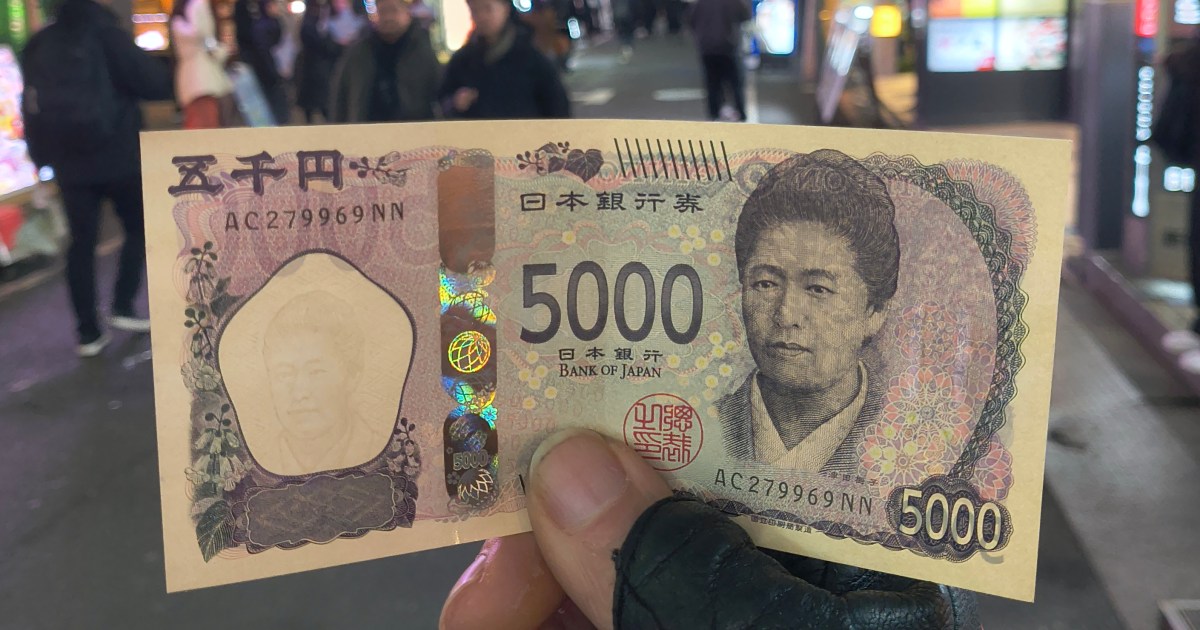
Sato isn’t just grabbing a drink alone—he’s on a mission to prove that a ぼっち忘年会 (bocchi bōnenkai), where ぼっち (bocchi) means “alone” or “loner,” can be a celebration of pure joy. Forget the stereotype of solo outings as sad or pitiful; for Sato, it’s all about indulging in his true passion: music. With just 5,000 yen (about $35) in his pocket, he sets out for 歌舞伎町 (Kabukichō), Shinjuku’s infamous entertainment district, to practice ハシゴ (hashigo), or “bar-hopping,” in search of bars where music isn’t just background noise but the heartbeat of the night. Even with a low tolerance for alcohol—barely a single beer before he starts to 酔う (you, “get drunk”)—Sato shows that it’s the vibe, not the drinks, that makes the evening unforgettable.
A Night of Music in Kabukicho
Sato’s night begins at Rock Bar Mother, a legendary spot he’s loved since his 20s. This dimly lit haven blasts rock tunes so loud that conversation is impossible, and patrons use flashlights to pick songs from a massive CD collection. Starting with a 700-yen Asahi beer, Sato chooses ROCKS by Primal Scream to set a rebellious tone, though the early hour keeps the energy mellow. Next, he moves to GODZ, a metal bar with no cover charge and ear-splitting sound. Though not a metal expert, Sato feels the raw power of the tracks while sipping a 1,000-yen beer, even tapping his foot to unfamiliar songs. Finally, craving a quieter vibe, he ends at ジャズ喫茶ナルシス (Jazz Kissa Narcissus), a vintage jazz cafe in the heart of Kabukicho. Surrounded by old records and the soulful sounds of Louis Armstrong with Duke Ellington’s piano, Sato relaxes with an 1,100-yen Kirin beer, feeling transported to another era. For him, this night of 道楽 (dōraku, “indulgence” or “hobby”) is the perfect way to close out the year.
Cultural Context: The Spirit of Bonenkai and Solo Culture
If you’re new to Japanese traditions, a 忘年会 (bōnenkai), literally “forget-the-year party,” is a year-end ritual where people gather to reflect on the past year, often over drinks at a 居酒屋 (izakaya, “Japanese-style pub”). These events are typically social, involving coworkers or friends, but Sato’s ぼっち忘年会 (bocchi bōnenkai) reimagines this as a solo act of self-care. In Japan, solo drinking isn’t always seen as melancholic; in a bustling district like 歌舞伎町 (Kabukichō), known for its neon chaos and eclectic nightlife, being alone can feel liberating. Places like music bars and ジャズ喫茶 (jazz kissa, “jazz cafes”) also carry a deep cultural history, dating back to the mid-20th century when they were hubs for audiophiles and counterculture fans. These aren’t just places to drink—they’re sanctuaries of sound where the atmosphere and music curation take center stage, offering a unique lens into Japan’s passion for niche hobbies.
Learn Japanese from This Article
Ready to dive into the language behind Sato’s adventure? Let’s break down some key vocabulary and grammar patterns that capture the essence of his night out. These are terms and structures you’d hear in real Japanese conversations, especially if you’re chatting about nightlife or personal passions.
Key Vocabulary
| Japanese | Romaji | Meaning |
|---|---|---|
| 忘年会 | bōnenkai | end-of-year party |
| ぼっち | bocchi | alone, loner |
| ハシゴ | hashigo | ladder; bar-hopping |
| 居酒屋 | izakaya | Japanese-style pub |
| 酔う | you | to get drunk |
| 道楽 | dōraku | hobby, pastime; indulgence |
| 歌舞伎町 | Kabukichō | Kabukicho (district in Shinjuku, Tokyo) |
Grammar Spotlight: 〜べきだ and 〜ないと
Let’s look at two useful grammar patterns that can help you express advice or necessity—perfect for talking about plans like a 忘年会 (bōnenkai).
〜べきだ (~beki da): “should” or “ought to” This structure is used to give advice or express what someone should do. It’s a bit formal but very common in written or thoughtful speech. Structure: Verb (dictionary form) + べきだ Examples:
- 年末には忘年会に行くべきだ。(Nenmatsu ni wa bōnenkai ni iku beki da.) - You should go to an end-of-year party at the end of the year.
- 音楽が好きなら、このバーを訪れるべきだ。(Ongaku ga suki nara, kono bā o otozureru beki da.) - If you like music, you should visit this bar. When to use: Use this when suggesting something strongly, like recommending a cultural experience or life advice.
〜ないと (~nai to): “if not” or “unless” This pattern expresses necessity or consequence, often implying something bad will happen if an action isn’t taken. Structure: Verb (negative form) + と Examples:
- 予約をしないと、席が取れないよ。(Yoyaku o shinai to, seki ga torenai yo.) - If you don’t make a reservation, you won’t get a seat.
- 早く行かないと、バーが閉まる。(Hayaku ikanai to, bā ga shimaru.) - Unless you go soon, the bar will close. When to use: Great for warnings or reminders, especially when planning outings or avoiding trouble like getting too 酔う (you, “drunk”).
Useful Expression
Here’s a phrase you’ll hear a lot in casual settings, especially at a bar or 居酒屋 (izakaya): 乾杯! (Kanpai!) - “Cheers!” It’s the go-to toast before taking a sip with friends—or even solo, as Sato might have mumbled to himself. Say it with energy to match the festive mood of a 忘年会 (bōnenkai).
Closing Thoughts
Sato’s solo ぼっち忘年会 (bocchi bōnenkai) isn’t just a night out—it’s a reminder that Japanese culture celebrates individuality just as much as community. Whether you’re bar-hopping in 歌舞伎町 (Kabukichō) or sipping quietly at a ジャズ喫茶 (jazz kissa), there’s a unique joy in carving out your own path. So, why not plan your own year-end indulgence? Use the words and grammar from this article to chat about your plans in Japanese, and you’ll be one step closer to sounding like a local.
これからもよろしくお願いします。 Kore kara mo yoroshiku onegaishimasu.