
Solo Yakiniku Party on a Budget: A Japanese End-of-Year Adventure
Imagine planning the ultimate end-of-year celebration with just 5,000 yen (about $35 USD) in your pocket. Sounds tough, right? Well, one writer from Rocket News took on this challenge for a solo 忘年会 (bōnenkai), or “forget-the-year party,” and turned it into an unforgettable feast with a pro tip from a sushi chef friend. If you’ve ever wondered how to enjoy authentic Japanese flavors on a budget, this story of resourcefulness and mouthwatering 焼肉 (yakiniku)—Japanese-style BBQ—will inspire you to dive deeper into the language and culture behind it.
The Solo “Bocchi” Bonenkai Challenge
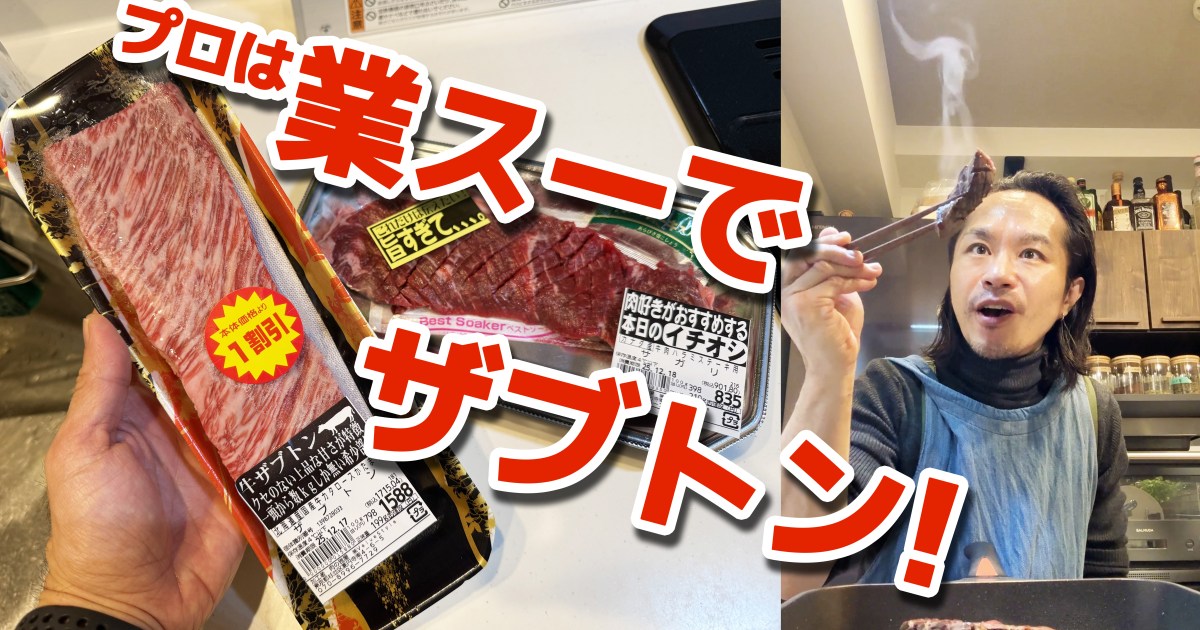
In Japan, the end of the year is synonymous with 忘年会 (bōnenkai), gatherings where friends and coworkers reflect on the past year and unwind together. But what if you’re flying solo? Embracing the ぼっち (bocchi) lifestyle—slang for doing things alone—the writer set out to create a memorable solo party. With a tight budget, the breakthrough came from a sushi chef friend who casually dropped a game-changing tip: “Just go for ザブトン (zabuton) at 業務スーパー (Gyōmu Sūpā)!” Known as Gyomu Super, this discount supermarket chain is a hidden gem for scoring high-quality eats at 激安 (gekian)—dirt cheap—prices.
The haul was impressive. The star of the show was ザブトン (zabuton), a premium beef cut from the chuck area, famous for its rich marbling and tenderness, costing just 1,430 yen for 199 grams. Alongside it, the writer snagged サガリ (sagari), another flavorful cut from the diaphragm, for 835 yen for 210 grams. Add some veggies like エゴマ (egoma)—perilla leaves—and サンチェ (sanche)—a type of lettuce for wrapping meat—plus a 700ml cola, and the feast was taking shape. A quick stop at another shop added cut fruit, kiwi, a side salad, and a special treat: 白菜キムチ (hakusai kimuchi)—cabbage kimchi—from a beloved spot called “Ogikubo Kimchi,” praised as a “miracle” for its unmatched flavor.
Crafting the Perfect Yakiniku Experience
Back home, the writer transformed this budget haul into a full-blown 焼肉 (yakiniku) setup. Buying block meat like ザブトン (zabuton) gives you the freedom to slice it to your preferred thickness—a small but satisfying way to personalize your meal. With the meat as the centerpiece, the total cost for the proteins was just over 2,000 yen, leaving room for extras to elevate the vibe. A pre-cut salad saved time (no washing needed), though a homemade dressing added a personal touch. Cola was poured into a big mug for that indulgent feel, and everything was grilled on a “god-tier” grill pan that drained excess fat effortlessly—a gadget so good it became one of the writer’s top purchases of the year.
Following a popular Japanese health trend, the meal started with greens before diving into the sizzling meat. And here’s a bonus tip the writer shared with a sense of excitement: this grill isn’t just for 焼肉 (yakiniku). Try making サムギョプサル (samugyopusaru), Korean-style grilled pork belly, and you’ll be amazed by the flavor. This kind of versatility is exactly why learning Japanese food culture—and the language to navigate it—feels so rewarding.
Cultural Context: Solo Life and Year-End Traditions
If the idea of a solo end-of-year party feels a bit unusual, you’re not alone. But in Japan, the concept of ぼっち (bocchi)—enjoying activities on your own—has become increasingly relatable and even celebrated. With busy schedules or personal preferences, more people are embracing solo dining, travel, and even celebrations like this one. The 忘年会 (bōnenkai) tradition itself has deep roots, dating back decades as a way to release the year’s stresses and start fresh. It’s a moment to reflect, often over good food and drinks.
Pair that with Japan’s knack for balancing frugality and indulgence, and you’ll see why places like 業務スーパー (Gyōmu Sūpā) are so beloved. They offer premium ingredients at accessible prices, making high-quality meals doable for anyone. Even the obsession with specific items—like the “miracle” 白菜キムチ (hakusai kimuchi) from Ogikubo—shows a cultural appreciation for craftsmanship and unique flavors in everyday life. Understanding these nuances isn’t just about language; it’s about connecting with the Japanese way of thinking.
Learn Japanese from This Article
Ready to pick up some authentic Japanese from this budget feast adventure? Let’s break it down with key vocabulary, grammar patterns, and useful expressions that’ll help you navigate similar situations—whether you’re shopping for food or chatting about traditions in Japan.
Key Vocabulary
| Japanese | Romaji | Meaning |
|---|---|---|
| 忘年会 | bōnenkai | end-of-year party |
| 業務スーパー | Gyōmu Sūpā | Gyomu Super (discount supermarket chain) |
| ザブトン | zabuton | a high-end beef cut (from the chuck area) |
| 焼肉 | yakiniku | Japanese-style BBQ |
| 激安 | gekian | super cheap, dirt cheap |
| 白菜キムチ | hakusai kimuchi | cabbage kimchi |
Grammar Spotlight
Let’s look at two useful grammar patterns that popped up in this story. These are straight from the way Japanese people speak and think, giving you a more natural grasp of the language.
1. 〜と: Quoting or Reporting Speech/Thought
This pattern is used to directly quote someone or report what was said or thought. It’s super common in conversations and storytelling, like when the sushi chef gave advice.
- Structure: [Quote] + と + [Verb like 言う (iu, to say) or 思う (omou, to think)]
- Examples:
- プロの料理人は「業スーでザブトンですよ」と言った。 (Puro no ryōrinin wa “Gyōmu Sūpā de zabuton desu yo” to itta.) The professional chef said, “It’s zabuton at Gyomu Super!”
- 友達は「安いね」と驚いた。 (Tomodachi wa “Yasui ne” to odoroita.) My friend was surprised, saying, “It’s cheap!”
- 美味しそうだと感じた。 (Oishisō da to kanjita.) I felt that it looked delicious.
- When to Use: Use this to share advice, opinions, or thoughts directly. It’s a natural way to relay conversations, just like in the article.
2. 〜ざるを得ない: Cannot Help But, Have No Choice But To
This pattern expresses a situation where you’re forced to do something, often reluctantly. It fits the writer’s initial hesitation about a solo party but ultimately going for it.
- Structure: [Verb stem form] + ざるを得ない (zaru o enai)
- Examples:
- 予算が少ないので、業務スーパーに行くざるを得ない。 (Yosan ga sukunai node, Gyōmu Sūpā ni iku zaru o enai.) Since the budget is small, I have no choice but to go to Gyomu Super.
- 忘年会を一人でやるざるを得なかった。 (Bōnenkai o hitori de yaru zaru o enakatta.) I had no choice but to do the end-of-year party alone.
- 美味しすぎて、全部食べるざるを得ない。 (Oishisugite, zenbu taberu zaru o enai.) It’s so delicious that I can’t help but eat it all.
- When to Use: This is great for expressing unavoidable actions or feelings, often with a sense of resignation or inevitability.
Useful Expression
Here’s a bonus phrase you’ll hear often when shopping or talking about deals in Japan:
- 激安だね! (Gekian da ne!) - “It’s super cheap, isn’t it!” Use this when you’re amazed by a bargain, like the prices at 業務スーパー (Gyōmu Sūpā). It’s casual and perfect for everyday chats.
Closing Thoughts
Whether you’re dreaming of your own ぼっち忘年会 (bocchi bōnenkai) or just curious about Japanese food culture, this story shows how a little insider knowledge—and the right language—can turn a small budget into a big experience. Keep practicing these words and patterns, and soon you’ll be navigating Japanese supermarkets and traditions like a local.
これからもよろしくお願いします。 Kore kara mo yoroshiku onegaishimasu.