
Osaka Ohsho’s Spicy Sensation: Dive into 麻辣湯 and Japanese Trends
Imagine stepping into a lively 大阪王将 (Osaka Ohsho), a beloved Chinese-style restaurant chain in Japan, and being hit with a spicy, tingling aroma that instantly grabs your attention. On December 16, 2025, this popular chain turned heads by introducing a dish that’s been making waves across Japan: 麻辣湯 (mārātan), a fiery, numbing soup so iconic it earned a spot in the 2025 New Word and Buzzword Awards. For Japanese learners like you, this isn’t just about food—it’s a tasty gateway into modern Japanese trends and the country’s ever-evolving culinary scene.
The Hottest Dish: What Is 麻辣湯?
If you’ve been curious about Japan’s food buzzwords, 麻辣湯 (mārātan) is one you can’t miss. Often hailed as the star of ガチ中華 (gachi chūka - authentic Chinese cuisine), this spicy and numbing soup originates from China but has exploded in popularity in Japan over the last few years. Unlike the milder, Japanized flavors of classic 町中華 (machi chūka - neighborhood Chinese eateries), 麻辣湯 hits hard with a “double punch” of 麻 (ma - numbing sensation from Sichuan peppercorns) and 辣 (rā - spiciness from chili peppers). Toss in unique spices like 五香粉 (ūshanfen - five-spice powder), and you’ve got a dish that feels exotic yet irresistibly addictive to Japanese diners.
Osaka Ohsho’s take, called 魅惑の五香麻辣湯 (Miwaku no Goko Mārātan - Enchanting Five-Spice Mārātan), launched at just 890 yen (about $6 USD). What makes it perfect for beginners? The カスタマイズ (kasutamaizu - customization) options! You can pick between 春雨 (harusame - glass noodles) or 中華麺 (chūka men - Chinese noodles), adjust the 辛さ (karasa - spiciness) level (double for +50 yen, triple for +100 yen), and add extras like shrimp, pork, or 水餃子 (sui gyōza - boiled dumplings) for a small fee. It’s an easy, low-risk way to try this bold flavor without hunting down a niche restaurant.
Tasting the Heat: How Does It Hold Up?
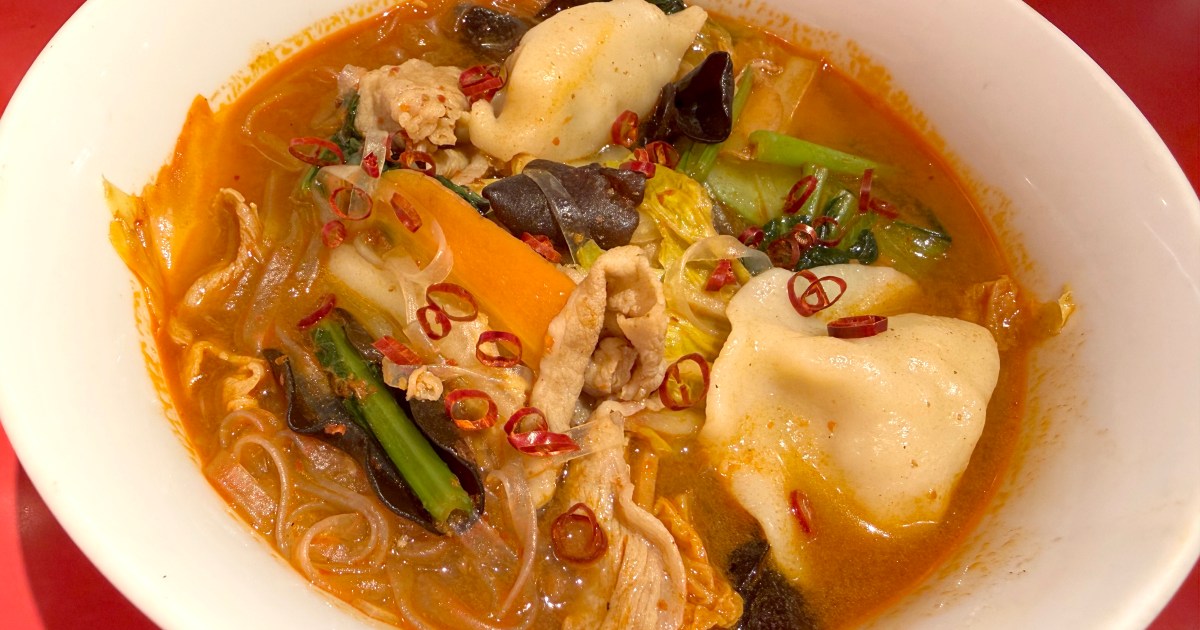
A reporter from Rocket News put Osaka Ohsho’s 麻辣湯 to the test, choosing glass noodles with extra boiled dumplings, and the feedback was glowing: it’s truly 本格的 (honkakuteki - authentic, genuine). The soup’s aroma of five-spice powder hits you the moment it arrives, delivering a “solid” rather than sweet taste. The numbing 麻 and spicy 辣 sensations are both strong—imagine a “solidly spicy” kick, like a medium-hot curry. It won’t leave you breathless, but it’s far from tame.
The bowl itself is a feast of textures: slippery glass noodles, crunchy wood ear mushrooms (キクラゲ, kikurage), cabbage, and greens all come together beautifully. The optional 水餃子 were a standout with their chewy, mochi-like bite, though a quick tip—since one dumpling is included by default, you might want to switch up your extras with shrimp or pork. All in all, this dish is a fantastic “debut” for anyone hesitant to dive straight into a hardcore ガチ中華 spot.
Cultural Context: From Niche to Mainstream
For many Japanese people, Chinese food once meant cozy, familiar dishes like ramen or fried rice from local 町中華 diners—think of them as Japan’s version of a neighborhood diner with a Chinese flair. But recently, ガチ中華 has taken center stage, bringing bold, authentic flavors that were once rare outside immigrant enclaves or specialty spots. Dishes like 麻辣湯, よだれ鶏 (yodare dori - mouth-watering chicken), and 酸辣粉 (sanrāfen - hot and sour glass noodles) introduce intense spices and ingredients like Sichuan peppercorns that were unfamiliar to most Japanese palates until now.
What’s really cool is how this trend mirrors Japan’s growing openness to global influences while still putting its own spin on things. Major chains like Osaka Ohsho, バーミヤン (Bamiyan), and even すき家 (Sukiya)—a beef bowl giant—have started offering their versions of 麻辣湯, making it accessible to everyday diners. This isn’t just a food story; it’s a glimpse into how Japanese culture absorbs and adapts foreign elements, a pattern you’ll notice in everything from language to fashion. As a learner, diving into a dish like 麻辣湯 lets you taste how modern Japan blends tradition with globalization, one spicy bite at a time.
Learn Japanese from This Article
Ready to spice up your Japanese skills? Let’s dig into some key vocabulary, grammar, and expressions inspired by this fiery food trend. These are terms and patterns you’ll hear in real conversations, especially if you’re chatting about food or trends in Japan.
Key Vocabulary
| Japanese | Romaji | Meaning |
|---|---|---|
| 麻辣湯 | mārātan | spicy and numbing soup (a Chinese dish) |
| ガチ中華 | gachi chūka | authentic Chinese cuisine |
| 町中華 | machi chūka | neighborhood Chinese eatery (Japanized Chinese food) |
| 辛さ | karasa | spiciness |
| カスタマイズ | kasutamaizu | customization |
| 春雨 | harusame | glass noodles |
| 本格的 | honkakuteki | authentic, genuine |
Grammar Spotlight
Let’s break down two useful grammar patterns that popped up while exploring this trend. These will help you describe changes and impressions—perfect for talking about food or cultural shifts!
1. 〜つつある (in the process of, gradually becoming)
- Structure: Verb (stem form) + つつある
- Usage: This pattern describes something that is gradually happening or in the process of changing. It’s often used for trends or ongoing shifts, like the rise of 麻辣湯 in Japan.
Examples:
- 日本でガチ中華が人気を集めつつある。 (Nihon de gachi chūka ga ninki o atsumetsutsu aru.) Authentic Chinese cuisine is gradually gaining popularity in Japan.
- 若者の間でスパイシーな料理が流行りつつある。 (Wakamono no aida de supaishī na ryōri ga hayaritsutsu aru.) Spicy dishes are becoming trendy among young people.
- 新しい味が日本人の好みに合いつつある。 (Atarashii aji ga nihonjin no konomi ni aitsutsu aru.) New flavors are gradually suiting Japanese tastes.
2. 〜らしい (seems to be, appears that)
- Structure: Verb/Adjective (plain form) + らしい
- Usage: This expresses something that seems or appears to be the case, often based on what you’ve heard or observed. It’s great for sharing impressions, like how 麻辣湯 feels authentic.
Examples:
- 大阪王将の麻辣湯はとても本格的らしい。 (Osaka Ohsho no mārātan wa totemo honkakuteki rashii.) Osaka Ohsho’s mārātan seems to be very authentic.
- この店の辛さは強すぎないらしい。 (Kono mise no karasa wa tsuyosuginai rashii.) The spiciness at this restaurant doesn’t seem to be too strong.
- ガチ中華が日本で流行っているらしい。 (Gachi chūka ga Nihon de hayatteiru rashii.) It appears that authentic Chinese cuisine is trending in Japan.
Useful Expression
- 麻辣湯デビュー (mārātan debū
- mārātan debut) This playful phrase means “trying mārātan for the first time.” You’ll hear “debut” used in Japanese for first experiences with trends or products. Example: 大阪王将で麻辣湯デビューをしてみた! (Osaka Ohsho de mārātan debū o shite mita!) I made my mārātan debut at Osaka Ohsho!
Closing Thoughts
Whether you’re a foodie or just curious about Japan’s latest trends, 麻辣湯 offers a spicy way to connect with modern Japanese culture and language. From learning buzzwords like ガチ中華 to practicing grammar like 〜つつある, you’re not just tasting a dish—you’re tasting the way Japan evolves. So, next time you’re near an Osaka Ohsho, why not make your own “麻辣湯デビュー” and see what the hype is about? Keep exploring, keep learning, and let’s dive deeper into authentic Japanese together.
これからもよろしくお願いします。 Kore kara mo yoroshiku onegaishimasu.