
Hokkaido's Fierce Winter Storm: Learn Japanese from Real News
If you’ve ever dreamed of experiencing Japan’s wild, untamed beauty, the recent winter storm in Hokkaido might just capture your imagination. On December 15, 2001, a powerful weather event turned parts of Japan’s northernmost island into a snow-covered battleground. As you read about this intense blizzard, you’ll not only get a glimpse of nature’s raw power but also learn authentic Japanese the way it’s used in real news. Let’s dive into the story and uncover some language gems along the way!
The Storm That Shook Hokkaido
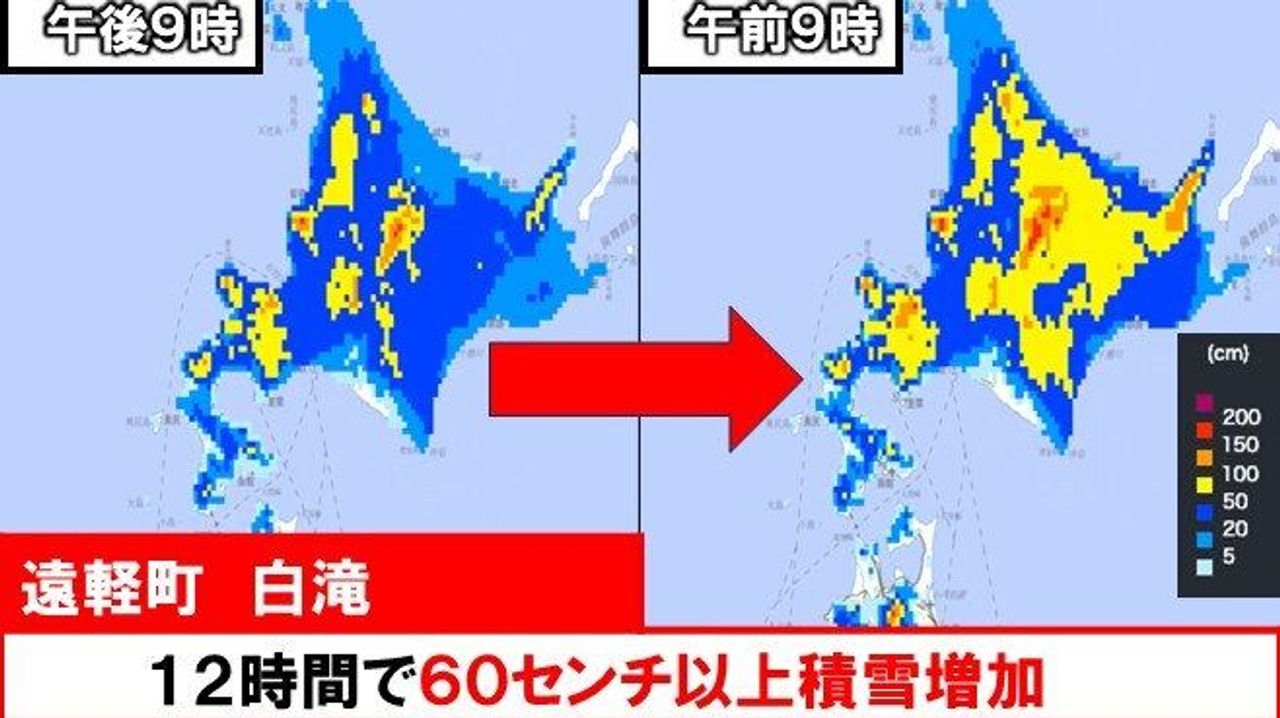
A fierce 低気圧 (teikiatsu, low-pressure system) swept across Hokkaido, bringing chaos to the eastern region known as 道東 (Dōtō, eastern Hokkaido). According to reports from Yahoo Japan, over 60 centimeters of 大雪 (ōyuki, heavy snowfall) buried the area in just one night. But it wasn’t just the snow—暴風 (bōfū, violent wind) roared through with such intensity that it made national headlines. In the town of 中標津町上標津 (Nakashibetsu-chō Kamishibetsu), a 瞬間的 (shunkanteki, momentary) gust of wind exceeded 40 meters per second during a 観測 (kansoku, observation) at 9:27 AM. That’s the kind of wind that doesn’t just blow—it challenges everything in its path.
For the people of Hokkaido, this storm was more than a weather event; it was a test of endurance. Roads were blocked by towering snowdrifts, and the unrelenting winds made even simple tasks feel impossible. Yet, life in Hokkaido often demands this kind of resilience, a quality deeply rooted in Japanese culture.
Cultural Context: Winter and Resilience in Hokkaido
If you’re new to Japan’s geography, Hokkaido stands out as the country’s rugged frontier. It’s a land of vast wilderness where winters are not just cold—they’re a way of life. The term 道東 (Dōtō), referring to eastern Hokkaido, highlights a region known for its remote beauty and extreme weather. Learning regional names like this isn’t just about vocabulary; it’s about understanding how geography shapes identity in Japan. You’ll notice this as you explore more authentic materials and hear how locals describe their hometowns.
This storm also brings to light a core Japanese value: 我慢 (gaman, endurance or perseverance). It’s the quiet strength to endure hardship without complaint, a trait often celebrated in stories of resilience. Whether it’s surviving a brutal winter or facing life’s challenges, 我慢 is a concept you’ll encounter again and again in Japanese culture. As you learn the language, you’ll see how such values are woven into everyday expressions and attitudes.
Learn Japanese from This Article
Let’s turn this real-world news story into a learning opportunity. Here, you’ll find key vocabulary, grammar patterns, and useful expressions straight from the context of the Hokkaido storm. This is Japanese as it’s taught and used in Japan—not just from textbooks, but from life itself.
Key Vocabulary
| Japanese | Romaji | Meaning |
|---|---|---|
| 低気圧 | teikiatsu | low-pressure system |
| 大雪 | ōyuki | heavy snowfall |
| 暴風 | bōfū | violent wind, gale |
| 瞬間的 | shunkanteki | momentary, instantaneous |
| 観測 | kansoku | observation, measurement |
| 道東 | Dōtō | eastern Hokkaido |
| 我慢 | gaman | endurance, perseverance |
These words aren’t just random terms—they’re pulled directly from news reports and cultural contexts. For example, next time you hear about a storm, listen for 大雪 (ōyuki) or 暴風 (bōfū)—they’re commonly used in weather updates across Japan.
Grammar Spotlight
Let’s focus on two grammar patterns that help you describe ongoing events and specific locations, just like in the news about Hokkaido.
1. 〜ている: Ongoing Action or State
This pattern describes something happening right now or a continuing state. It’s like adding “-ing” in English but can also apply to states that persist.
- Structure: Verb (stem form) + ている
- Example 1: 雪が降っている。 (Yuki ga futte iru.) - It’s snowing.
- Example 2: 風が吹いている。 (Kaze ga fuite iru.) - The wind is blowing.
- Example 3: 道が塞がっている。 (Michi ga fusagatte iru.) - The road is blocked.
You’ll hear 〜ている all the time in weather reports or when describing current situations. It’s a fundamental pattern for sounding natural in Japanese, especially when talking about events like storms.
2. 〜たところ: A Place Where Something Happened
This pattern indicates a specific location where an event occurred. It’s often used in formal or written contexts like news reports.
- Structure: Verb (past tense) + ところ
- Example 1: 風速が観測されたところは中標津町です。 (Fūsoku ga kansoku sareta tokoro wa Nakashibetsu-chō desu.) - The place where the wind speed was measured is Nakashibetsu Town.
- Example 2: 大雪が降ったところは道東です。 (Ōyuki ga futta tokoro wa Dōtō desu.) - The place where heavy snow fell is eastern Hokkaido.
This pattern is great for pinpointing locations in storytelling or reporting, just like how the news specifies where the storm hit hardest. It adds precision to your Japanese.
Useful Expression
Here’s a phrase tied to the cultural value we discussed: 我慢する (gaman suru), meaning “to endure” or “to persevere.” You might use it in a sentence like:
- この寒さを我慢しなければならない。 (Kono samusa o gaman shinakereba naranai.) - I have to endure this cold.
It’s a powerful expression that reflects the mindset of many in Hokkaido during harsh winters. Try using it when talking about pushing through tough situations!
Closing Thoughts
Learning Japanese from real stories like this Hokkaido storm helps you connect with the language in a way that feels alive and relevant. You’re not just memorizing words—you’re stepping into the experiences and values of Japan itself. Keep exploring, keep listening, and you’ll find that every news story, every conversation, is a chance to grow.
これからもよろしくお願いします。 Kore kara mo yoroshiku onegaishimasu.