
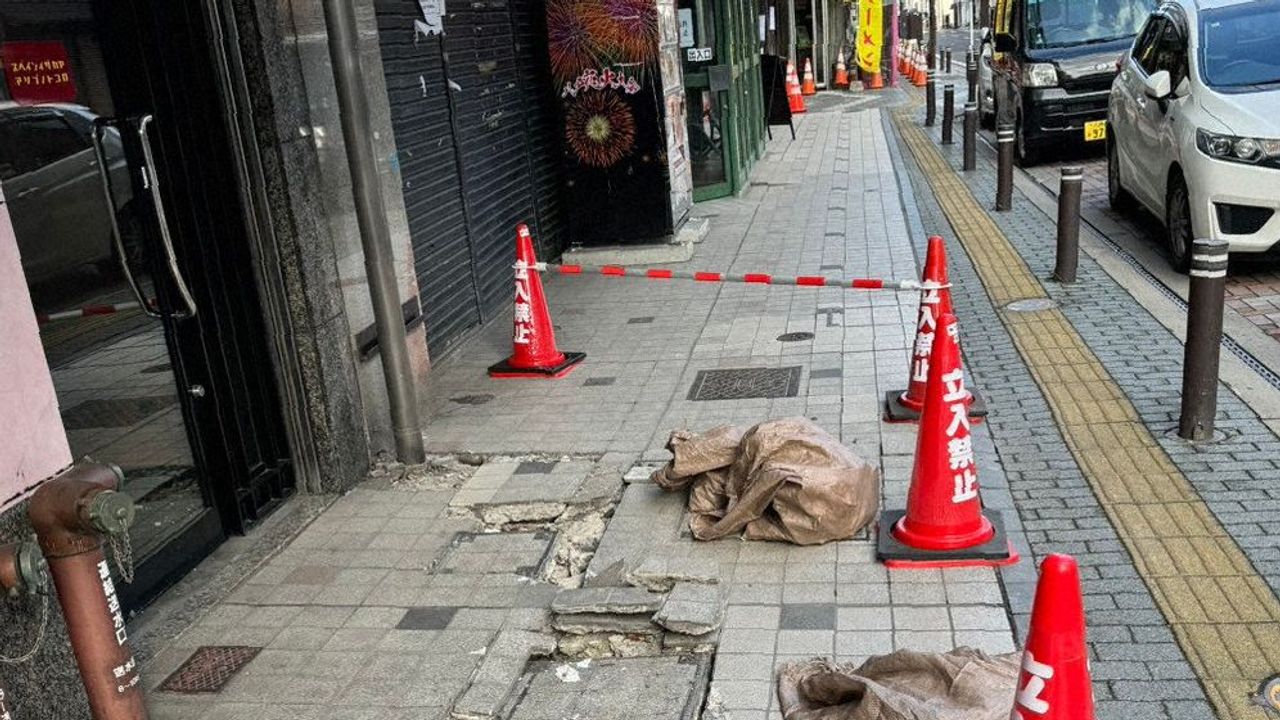
Earthquake Aftermath in Aomori: A Lesson in Resilience and Language
If you've ever been captivated by Japan's ability to face natural disasters with grace and grit, the story of Aomori Prefecture's response to a powerful earthquake in 2001 will pull you right in. A week after a quake registering an intensity of 震度6強 (shindo roku-kyou, severe shaking) struck on December 8, the region marked a significant moment as a pioneering advisory for a potential follow-up quake officially ended. This event isn’t just about seismic activity—it’s a window into Japan’s advanced disaster systems, the unique challenges of the northern regions, and a chance to learn authentic Japanese as it’s used in real-life contexts. Let’s dive into the aftermath, the cultural layers, and the language lessons you can take away from this story.
A Week of Vigilance in Aomori
On December 15, 2001, Aomori Prefecture in northern Japan looked back on seven tense days following a major 地震 (jishin, earthquake). With an intensity recorded at 震度6強 (shindo roku-kyou), this quake sparked widespread concern, leading authorities to issue a groundbreaking advisory called 北海道・三陸沖後発地震注意情報 (Hokkaido-Sanriku-oki Kōhatsu Jishin Chūi Jōhō), warning of a heightened risk for another major quake off the coasts of Hokkaido and Sanriku. This was the first time such a specific alert had been used, showcasing Japan’s cutting-edge disaster preparedness. When the advisory lifted at midnight on December 16, residents felt a cautious relief, though the effects of the initial quake still lingered in their communities.
Winter Challenges in the Northern Country
Beyond the immediate threat of aftershocks, this 地震 (jishin) revealed challenges unique to Japan’s northern regions, often referred to as 北国 (kitaguni, northern country). Winter in places like Aomori brings heavy snow, icy roads, and bitter cold, turning emergency responses into daunting tasks. Imagine trying to clear debris or reach isolated areas when snowdrifts block every path—these are the 課題 (kadai, issues or challenges) that northern communities face during crises. This event highlights how geography and climate shape disaster management in Japan, offering a glimpse into the resilience required to thrive in such harsh conditions.
Cultural Context: Earthquakes and Northern Resilience
Living with earthquakes is second nature in Japan, a nation perched on the Pacific Ring of Fire. The term 震度 (shindo, seismic intensity) is something every Japanese person grows up understanding, thanks to the Japan Meteorological Agency’s scale that measures how a quake feels in a specific location—unlike the magnitude scale, which focuses on the energy at the source. A rating of 震度6強 (shindo roku-kyou) means violent shaking, where standing is nearly impossible, and buildings often suffer severe damage. This awareness, built into daily life through 観測 (kansoku, observation or measurement) systems, reflects a culture of preparedness.
Meanwhile, the idea of 北国 (kitaguni) carries more than just a geographic label. It embodies a cultural identity of endurance and community spirit, celebrated in songs, stories, and traditions of the north. People in Aomori and similar regions are often seen as stoic and resourceful—traits tested during events like this earthquake. For language learners, grasping these cultural nuances helps you see how deeply environment and identity are woven into Japanese expression.
Learn Japanese from This Article
Let’s turn this real-world event into a learning opportunity. Here, you’ll find key vocabulary, grammar patterns, and expressions that reflect how Japanese is used in disaster reporting and cultural discussions. These aren’t just textbook words—they’re terms you’d hear on the news or in conversations across Japan.
Key Vocabulary
| Japanese | Romaji | Meaning |
|---|---|---|
| 地震 | jishin | earthquake |
| 震度 | shindo | seismic intensity |
| 観測 | kansoku | observation, measurement |
| 確率 | kakuritsu | probability, likelihood |
| 北国 | kitaguni | northern country, northern region |
| 課題 | kadai | issue, challenge, task |
These words are essential if you’re following news about natural disasters or discussing regional differences in Japan. For instance, knowing 確率 (kakuritsu, probability) helps you understand discussions about the likelihood of aftershocks.
Grammar Spotlight
Let’s focus on two useful grammar patterns that often appear in news reports and storytelling, giving you a more authentic grasp of the language.
1. 〜として (as, in the role of, considering as)
- Structure: Noun + として
- Usage: This pattern indicates the role, status, or perspective something is considered under. It’s often used in formal or explanatory contexts, like news or analysis.
- Examples:
- この地震は歴史的な出来事として記録されています。 (Kono jishin wa rekishiteki na dekigoto toshite kiroku sareteimasu.) This earthquake is recorded as a historic event.
- 北国として、冬の課題が大きいです。 (Kitaguni toshite, fuyu no kadai ga ōkii desu.) As a northern region, winter challenges are significant.
- When to Use: Use this when describing something from a specific viewpoint or role, especially in formal writing or speech.
2. 〜から〜となる (since ~, it has become ~)
- Structure: Time/Event + から + Duration/State + となる
- Usage: This pattern shows a change or result after a certain period or event, often used in reporting timelines or outcomes.
- Examples:
- 地震から一週間となる今、復旧が始まっています。 (Jishin kara isshūkan to naru ima, fukkyū ga hajimatteimasu.) Now, a week since the earthquake, recovery has begun.
- 冬から春となる時期、花が咲きます。 (Fuyu kara haru to naru jiki, hana ga sakimasu.) In the period from winter to spring, flowers bloom.
- When to Use: Perfect for narrating sequences or changes over time, especially in news or personal stories.
Useful Expression
Here’s a phrase tied to disaster contexts that you might hear or need:
- 気をつけてください。 (Ki o tsukete kudasai.) - Please be careful. This is a common way to express concern or caution, often used by authorities or locals during emergencies like earthquakes.
Closing Thoughts
Exploring events like the Aomori earthquake aftermath doesn’t just teach you about Japan’s disaster response—it immerses you in the language and culture as native speakers experience it. From understanding terms like 震度 (shindo) to grasping the resilience behind 北国 (kitaguni), you’re learning Japanese the way it’s lived, not just studied. Keep practicing these words and patterns, and you’ll find yourself connecting more deeply with Japan’s stories and people.
これからもよろしくお願いします。 Kore kara mo yoroshiku onegaishimasu.