
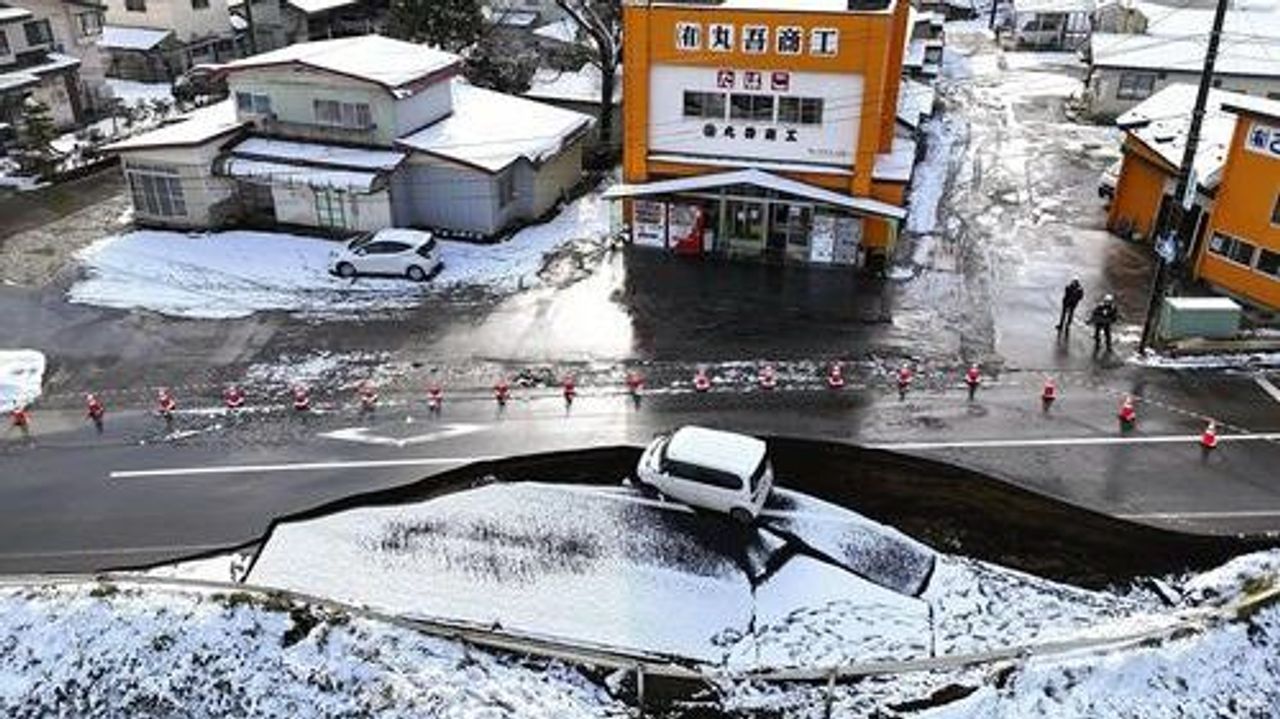
Earthquake Alerts in Northern Japan: A Glimpse into Resilience and Language
Have you ever wondered how people in Japan live with the constant possibility of earthquakes or tsunamis disrupting their day? If you’ve been curious about the Japanese approach to natural disasters, you’re in for a real insight today. We’re diving into a news story from 2001 about heightened earthquake warnings in northern Japan, exploring not just the events but also the cultural mindset of preparedness that defines life there. Along the way, you’ll pick up authentic Japanese vocabulary and grammar straight from the context of this story—learning the way Japanese people do, rooted in real-life situations.
Earthquake Warnings Shake Northern Regions
Back on December 13, 2001, regions like 北海道 (Hokkaidō), Japan’s northernmost island, and the 東北 (Tōhoku) area were placed on high alert. Authorities issued a special warning called 北海道・三陸沖後発地震注意情報 (Hokkaidō-Sanriku-oki Kōhatsu Jishin Chūi Jōhō), which roughly translates to “Hokkaido-Sanriku Offshore Subsequent Earthquake Caution Information.” In simpler terms, it was a signal to prepare for a potentially major 地震 (jishin, earthquake) following smaller tremors in the region. Just a day before, on December 12, a quake with a 震度 (shindo, seismic intensity) of 4 on Japan’s scale hit off the coast of 青森県 (Aomori-ken) in Tōhoku, even prompting a temporary 津波注意報 (tsunami chūihō, tsunami advisory). To make matters more challenging, warnings of traffic disruptions due to 大雪 (ōyuki, heavy snowfall) added extra stress for residents. Despite these threats, life in northern Japan continues with a quiet 警戒 (keikai, alert or caution), as communities stay ready for whatever nature might bring.
Cultural Context: Living with Nature’s Challenges
In Japan, natural disasters like 地震 (jishin, earthquakes) and 津波 (tsunami, tsunamis) aren’t just news headlines—they’re a way of life. Sitting on the Pacific Ring of Fire, Japan experiences frequent seismic activity, shaping everything from building designs to school curriculums. Children grow up practicing disaster drills, learning the importance of 備え (sonae, preparation or readiness) from a young age. The word 津波 (tsunami) itself, now used worldwide, comes from Japanese and means “harbor wave,” a nod to the devastating impact these waves have on coastal areas like the Sanriku region in Tōhoku. Historical tragedies have ingrained a deep respect for warnings like the 津波注意報 (tsunami chūihō, tsunami advisory). On top of that, northern areas like Hokkaido face seasonal challenges with 大雪 (ōyuki, heavy snowfall), which can complicate disaster response. This combination of threats has fostered a culture where being on 警戒 (keikai, alert) is second nature, a mindset you’ll understand more as you learn the language and its nuances.
Learn Japanese from This Article
Let’s take a moment to pull out some key language lessons from this story. These are words and patterns you’d encounter in real Japanese news or conversations about natural disasters—perfect for building an authentic vocabulary.
Key Vocabulary
| Japanese | Romaji | Meaning |
|---|---|---|
| 地震 | jishin | earthquake |
| 津波 | tsunami | tsunami |
| 注意報 | chūihō | advisory, warning |
| 備え | sonae | preparation, readiness |
| 震度 | shindo | seismic intensity |
| 大雪 | ōyuki | heavy snowfall |
| 警戒 | keikai | alert, caution |
These terms are essential if you’re following Japanese news or discussing safety topics. For instance, hearing 注意報 (chūihō, advisory) on a broadcast instantly signals the need to pay attention, whether it’s for a tsunami or weather event.
Grammar Spotlight
Let’s focus on two useful grammar patterns that often appear in contexts like disaster reporting or daily life in Japan.
1. 〜に伴い (ni tomonai): Along with, in response to
This pattern is used to show that one action or situation happens in connection with or as a result of another. It’s formal but common in news or official statements.
- Structure: [Event/Situation] + に伴い
- [Resulting Action/Situation]
- Example 1: 地震に伴い、津波注意報が出されました。 (Jishin ni tomonai, tsunami chūihō ga dasaremashita.) - Along with the earthquake, a tsunami advisory was issued.
- Example 2: 大雪に伴い、交通が乱れています。 (Ōyuki ni tomonai, kōtsū ga midareteimasu.) - In response to the heavy snowfall, traffic is disrupted.
Use this when describing cause-and-effect situations, especially in formal or written contexts like news updates.
2. 〜続ける (tsudzukeru): To continue doing something
This pattern combines a verb’s stem form with 続ける to express a continuous action or state. It’s useful for describing ongoing situations, like vigilance in disaster-prone areas.
- Structure: [Verb stem] + 続ける
- Example 1: 警戒を続けています。 (Keikai o tsudzuketeimasu.) - We continue to stay on alert.
- Example 2: 備えを続けることが大切です。 (Sonae o tsudzukeru koto ga taisetsu desu.) - It’s important to continue preparing.
This is a versatile pattern you’ll hear in everyday conversations too, not just in disaster contexts. It reflects persistence or ongoing effort.
Useful Expression
Here’s a practical phrase tied to preparedness that you might hear or use in Japan:
- 備えあれば憂いなし。 (Sonae areba urei nashi.) - If you’re prepared, you have nothing to worry about. This proverb captures the cultural emphasis on 備え (sonae, preparation) and is a great reminder of the mindset behind Japan’s disaster readiness.
Closing Thoughts
Learning Japanese isn’t just about memorizing words or grammar—it’s about understanding the culture and context that shape the language. Through stories like this one about earthquake alerts in northern Japan, you’re not only picking up useful terms like 地震 (jishin) and patterns like 〜に伴い (ni tomonai), but also getting a window into the resilience that defines Japanese life. Keep exploring these real-world situations with us, and you’ll find your language skills growing alongside a deeper appreciation for Japan.
これからもよろしくお願いします。 Kore kara mo yoroshiku onegaishimasu.