
Discover Japan Through a Lucky Bag: The Rice Companion Fukubukuro
Have you ever dreamed of experiencing a slice of Japan right from your kitchen table? If you’re a Japanese food lover or a language learner looking to dive deeper into the culture, today’s story will whisk you away on a delightful journey. We’re diving into a fascinating find from a recent Japanese news piece on Rocket News—a 福袋 (fukubukuro), or "lucky bag," packed with goodies that can transform a simple rice bowl into a cultural adventure. Let’s unpack this treasure and see how it connects to everyday life in Japan, all while picking up some authentic Japanese along the way!
A Lucky Bag for Rice Lovers
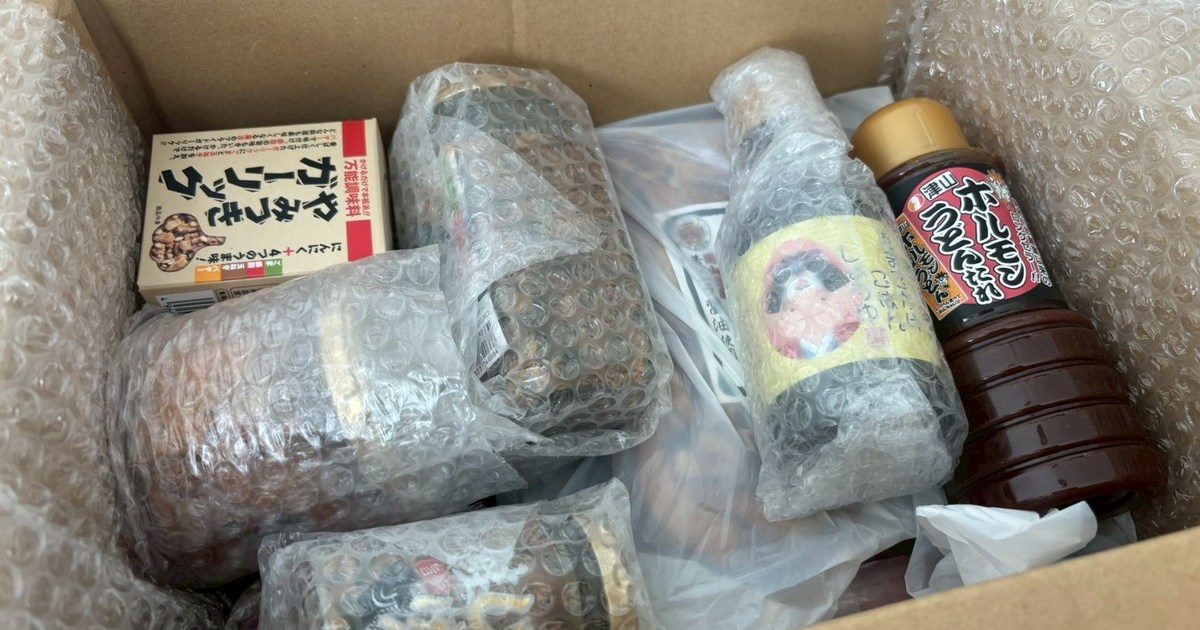
Picture yourself as a rice enthusiast in Japan, always searching for the perfect side dish to make your meal pop. That’s the vibe of this story from Rocket News. A writer stumbled upon a ご飯のおとも詰め合わせ福袋 (gohan no otomo tsumekawase fukubukuro), which translates to a "lucky bag packed with rice companions," on the popular shopping platform Rakuten. Priced at just 5,000 yen (about $33 USD), this bag offers over 7,500 yen worth of products—a fantastic deal for anyone eager to elevate their meals. It even climbed to the #2 spot on Rakuten’s real-time ranking and has garnered decent 口コミ (kuchikomi), meaning "word of mouth" or "reviews." The writer admits they ordered it while feeling 半信半疑 (hanshin hangi), or "half believing, half doubting," blending skepticism with curiosity. Haven’t we all felt that thrill of anticipation when trying something new?
Unboxing a Taste of Okayama
A few days later, a heavy 段ボール (danbōru), or "cardboard box," arrived at the writer’s doorstep, hinting at glass jars and hearty contents inside. The first thing they noticed wasn’t food, though—it was a tourism pamphlet for 津山市 (Tsuyama-shi), a city in Okayama Prefecture. The company behind this 福袋 (fukubukuro) hails from Tsuyama, and including a piece of their hometown in the package adds a personal, almost nostalgic charm. The writer describes this as carrying the "scent of the local land," a reminder of how Japanese products often tie back to their roots. It’s as if each bite of these rice companions takes you on a mini mental trip to Okayama, a region known for its agricultural bounty, including premium お米 (okome), or "rice."
Cultural Context: What Makes This So Japanese?
If you’re new to Japanese shopping or food culture, let’s break down a few key ideas that make this story so quintessentially Japanese. First, a 福袋 (fukubukuro), or "lucky bag," is a mystery assortment of goods sold at a discounted price, often around New Year or during special sales. It’s a fun gamble—you might strike gold, or you might not, but the excitement is part of the tradition. Then there’s the concept of ご飯のおとも (gohan no otomo), literally "companions for rice." Rice is the heart of Japanese cuisine, and these side dishes or condiments, also called おかず (okazu), are carefully chosen to pair with plain steamed rice, turning a basic staple into a flavorful feast. Finally, the nod to 津山市 (Tsuyama-shi) reflects Japan’s deep regional pride. Local businesses often celebrate their origins, and Okayama’s reputation for agriculture shines through in products like these. This isn’t just marketing—it’s a cultural value of honoring where things come from.
Learn Japanese from This Article
Ready to pick up some authentic Japanese from this tasty tale? Let’s dive into vocabulary and grammar that’ll help you talk about food, shopping, and more, just like a native speaker would. We’re learning the way Japanese kids do—through real-life context and natural usage.
Vocabulary to Savor
Here are some key words from the story that you’ll hear often in Japan, especially when chatting about food or shopping:
| Japanese | Romaji | Meaning |
|---|---|---|
| お米 | okome | rice (uncooked or general term) |
| おかず | okazu | side dish, accompanying dish for rice |
| 福袋 | fukubukuro | lucky bag, mystery bag (often discounted) |
| ご飯のおとも | gohan no otomo | companion for rice, side dish for rice |
| 口コミ | kuchikomi | word of mouth, reviews |
| 半信半疑 | hanshin hangi | half believing, half doubting; skeptical |
| 段ボール | danbōru | cardboard (box) |
Grammar Spotlight: 〜続ける and 〜らしい
Let’s look at two useful grammar patterns that popped up in this story’s context. These will help you express ongoing actions and share observations like a native speaker.
1. 〜続ける (tsudzukeru) - To continue doing something
- Structure: Verb (stem form) + 続ける
- Meaning: Used to express continuing an action over time.
- Examples:
- 毎日お米を食べ続ける。(Mainichi okome o tabe tsudzukeru.) - I continue to eat rice every day.
- 福袋を買う習慣を続ける。(Fukubukuro o kau shūkan o tsudzukeru.) - I continue the habit of buying lucky bags.
- 日本語を勉強し続ける。(Nihongo o benkyō shi tsudzukeru.) - I continue to study Japanese.
- When to Use: This is great for talking about habits or ongoing efforts, like sticking to a diet of rice or persisting in learning Japanese.
2. 〜らしい (rashii) - Seems like, appears to be
- Structure: Verb (plain form) / Noun + らしい
- Meaning: Used to report something you’ve heard or observed, often with a sense of hearsay or impression.
- Examples:
- この福袋は人気があるらしい。(Kono fukubukuro wa ninki ga aru rashii.) - It seems this lucky bag is popular.
- 岡山のお米は美味しいらしい。(Okayama no okome wa oishii rashii.) - I hear the rice from Okayama is delicious.
- 彼は半信半疑だったらしい。(Kare wa hanshin hangi datta rashii.) - It seems he was skeptical.
- When to Use: Perfect for sharing rumors, reviews, or impressions, like discussing product 口コミ (kuchikomi) or local specialties.
Useful Expression: Feeling Skeptical
When the writer mentioned ordering the 福袋 (fukubukuro) with a mix of doubt and curiosity, they used the phrase 半信半疑 (hanshin hangi), meaning "half believing, half doubting." It’s a handy expression for those moments when you’re not quite sure what to expect—think of trying a new Japanese dish or diving into a mystery bag yourself!
Closing Thoughts
Isn’t it amazing how something as simple as a bag of rice companions can open up a window into Japanese culture? From the thrill of a 福袋 (fukubukuro) to the regional pride of Okayama, you’ve not only tasted a bit of Japan but also picked up real language skills along the way. Keep exploring these cultural treasures, and you’ll find that learning Japanese becomes as natural as enjoying a bowl of お米 (okome) with the perfect おかず (okazu).
これからもよろしくお願いします。 Kore kara mo yoroshiku onegaishimasu.