
Understanding Japan's "Yearly Income Wall": A Tax Proposal and Language Lesson
Have you ever wondered how the Japanese government handles issues like income and taxes, and what that tells us about life in Japan? Today, we’re diving into a fascinating news story about a proposed change to the income tax threshold—known as the 年収の壁 (nenshū no kabe), or "yearly income wall"—that could impact millions of workers. This isn’t just about numbers on a paycheck; it’s a glimpse into Japan’s unique balance of economic policy and societal values. Plus, it’s a perfect opportunity to learn some authentic Japanese terms and expressions straight from the way they’re used in Japan. Let’s explore!
What’s the "Yearly Income Wall" All About?
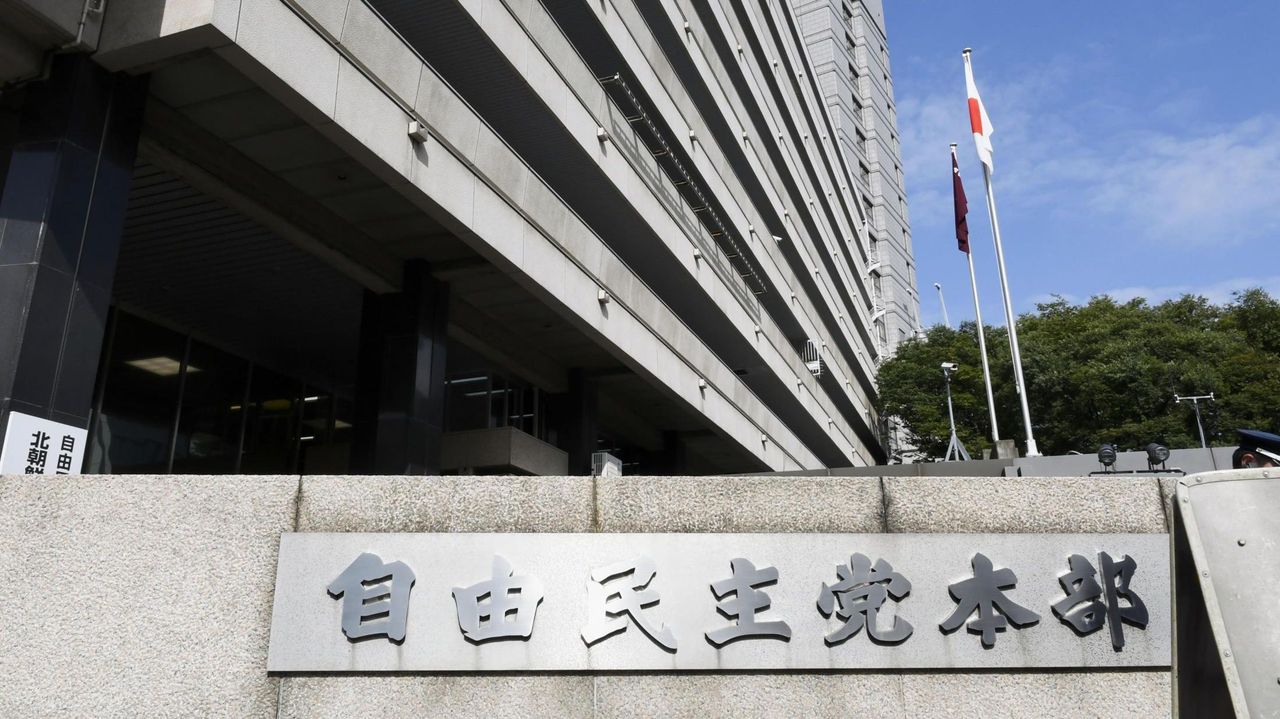
On December 11, 2001, news broke about a proposal by Japan’s ruling Liberal Democratic Party (LDP), or 自民党 (Jimin-tō), to revise the income tax threshold. This threshold, called the 年収の壁 (nenshū no kabe), marks the income level at which people start paying 所得税 (shotokuzei), or income tax. Currently, this limit is set at 1.6 million yen per year. The new plan suggests raising this limit every two years based on the 消費者物価指数 (shōhisha bukka shisū), or consumer price index (CPI), reflecting inflation over the prior two years. If this goes through, by 2026, the threshold would see a 引き上げ (hikiage), or increase, of 80,000 yen to 1.68 million yen.
This adjustment targets two key parts of the tax system: the 基礎控除 (kiso kōjo), a basic deduction for all taxpayers, and the 給与所得控除 (kyūyo shotoku kōjo), a deduction for salaried workers. By raising these minimum deduction amounts, the government aims to lighten the tax burden on lower-income earners, especially as the cost of living climbs.
Why Does This Matter to Japanese Workers?
This isn’t just a minor policy change—it’s a response to real economic challenges like inflation and stagnant wages. For many in Japan, especially part-time workers, crossing the 年収の壁 (nenshū no kabe) means a sudden spike in taxes. This can discourage people from working extra hours or seeking better-paying roles because the extra 年収 (nenshū), or annual income, comes with a penalty. Raising this “wall” could create a fairer system and encourage more economic participation, reflecting Japan’s deep-rooted values of fairness and hard work.
Cultural Context: Taxes, Work, and Social Harmony
To truly grasp why this “wall” is such a hot topic, let’s look at Japan’s tax system and work culture. Unlike some Western countries with gradual tax brackets, Japan’s system can have sharp cutoffs. This hits part-time workers—often women balancing family and work—especially hard. Many intentionally limit their hours to stay under the tax threshold, avoiding the burden of 所得税 (shotokuzei). The term 年収の壁 (nenshū no kabe) itself is telling: a 壁 (kabe), or barrier, symbolizes something blocking progress. It’s a concept tied to Japan’s social structure, where harmony and not burdening others (even through taxes) are key principles.
The role of the 自民党 (Jimin-tō), the Liberal Democratic Party, also shows how politics shapes everyday life in Japan. As the dominant political force for decades, the LDP often prioritizes stability and gradual change. Their push for this tax adjustment reflects a broader effort to address societal needs while maintaining balance—a very Japanese approach to governance.
Learn Japanese from This Article
If you’ve ever wanted to learn Japanese the way it’s taught in Japan, news stories like this are a goldmine. Let’s break down some key vocabulary and grammar patterns pulled straight from this topic. These aren’t just textbook words—they’re terms you’ll hear in real conversations and media.
Key Vocabulary
| Japanese | Romaji | Meaning |
|---|---|---|
| 年収 | nenshū | annual income |
| 壁 | kabe | wall, barrier |
| 所得税 | shotokuzei | income tax |
| 基礎控除 | kiso kōjo | basic deduction |
| 給与所得控除 | kyūyo shotoku kōjo | salary income deduction |
| 消費者物価指数 | shōhisha bukka shisū | consumer price index (CPI) |
| 引き上げ | hikiage | raising, increase |
These words give you a peek into economic discussions in Japanese. For instance, combining 年収 (nenshū) and 壁 (kabe) into 年収の壁 (nenshū no kabe) shows how Japanese often creates vivid compound expressions—something you’ll notice a lot as you learn.
Grammar Spotlight: 〜に関し and 〜に基づく
Let’s spotlight two grammar patterns that are super useful for discussing topics like policy and news, just as they’re used in this context.
〜に関し (ni kanshi) - regarding, concerning This formal expression is often used in written or official contexts to specify a topic of discussion.
- Structure: Noun + に関し
- Examples:
- 税金の引き上げに関し、議論が続いています。 (Zeikin no hikiage ni kanshi, giron ga tsuduiteimasu.) - Regarding the tax increase, discussions are ongoing.
- 年収の壁に関し、新しい提案が出されました。 (Nenshū no kabe ni kanshi, atarashii teian ga dasaremashita.) - Concerning the yearly income wall, a new proposal has been made.
- When to use: Perfect for formal or news-related contexts to sound polished and precise.
〜に基づく (ni motozuku) - based on This phrase indicates the foundation or basis for something, often used in logical or policy discussions.
- Structure: Noun + に基づく
- Examples:
- 消費者物価指数に基づく調整が行われます。 (Shōhisha bukka shisū ni motozuku chōsei ga okonawaremasu.) - Adjustments will be made based on the consumer price index.
- データに基づく決定が重要です。 (Dēta ni motozuku kettei ga jūyō desu.) - Decisions based on data are important.
- When to use: Great for explaining reasoning or justification, especially in academic or professional settings.
Useful Expression
Here’s a bonus phrase you’ll hear in discussions about money and work:
- 負担を軽減する (futan o keigen suru) - to reduce the burden Example: 税金の負担を軽減するために、控除が引き上げられます。 (Zeikin no futan o keigen suru tame ni, kōjo ga hikiageraremasu.) - To reduce the tax burden, deductions will be increased. This phrase captures a key idea in this news story and is handy for everyday conversations about easing difficulties.
Closing Thoughts
Learning Japanese through real-world topics like the 年収の壁 (nenshū no kabe) isn’t just about memorizing words—it’s about understanding the culture and values behind them. Japan’s approach to taxes and fairness reflects a society that values harmony and incremental progress, and by exploring these ideas, you’re stepping closer to thinking and speaking like a native. Keep practicing these terms and grammar points, and you’ll find yourself navigating Japanese news and conversations with more confidence.
これからもよろしくお願いします。 Kore kara mo yoroshiku onegaishimasu.