
Tsunami Advisory Lifted: Learn Japan’s Safety Language
Have you ever wondered how Japan, a nation surrounded by the unpredictable power of the ocean, manages natural threats like tsunamis? Today, we’re diving into a real piece of Japanese news that offers a glimpse into the country’s vigilance and response to such events. This isn’t just a headline—it’s a window into how Japanese society prioritizes safety and communication, something you’ll come to appreciate as you learn the language and culture authentically, the way it’s taught in Japan.
News Update: Tsunami Advisory Lifted in Northern Japan
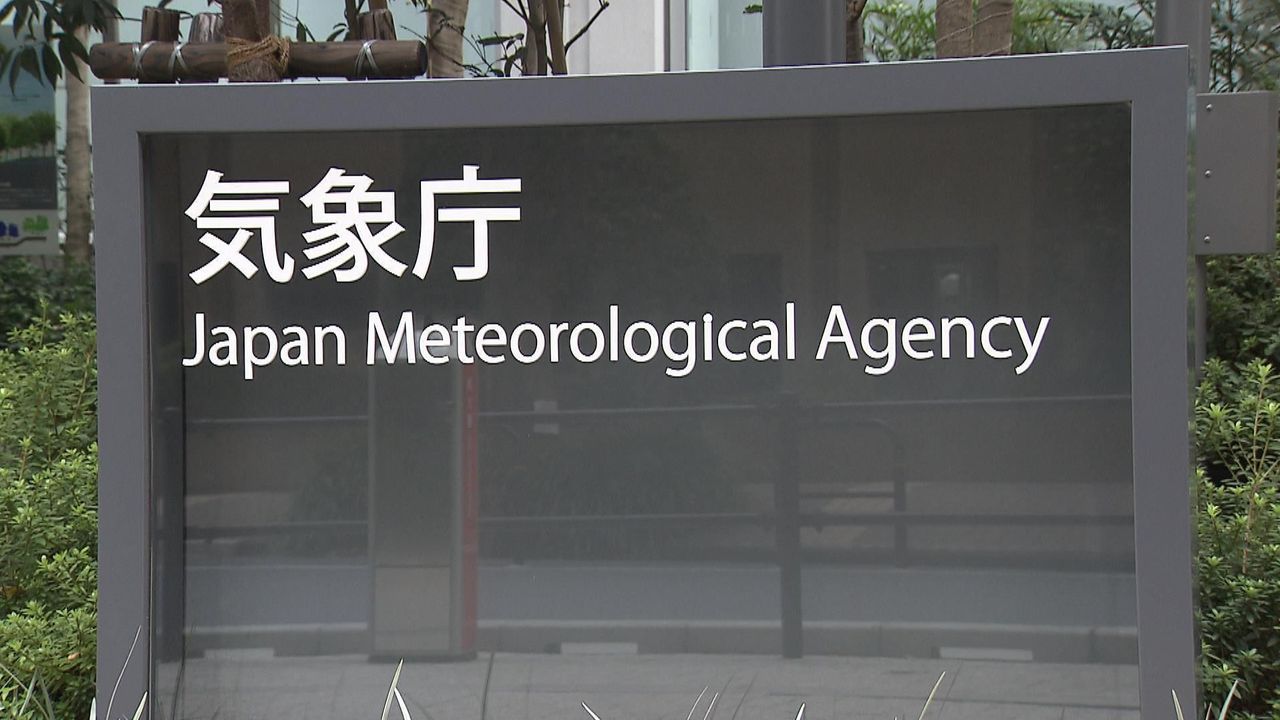
On December 9, 2001, at around 6:20 AM, the 気象庁 (Kishōchō - Japan Meteorological Agency) announced that the 津波注意報 (tsunami chūihō - tsunami advisory) issued for the coastal areas of 北海道 (Hokkaidō - Hokkaido) and the Tohoku region had been lifted. The 解除 (kaijo - cancellation or lifting) of this advisory came after approximately seven hours, marking a return to normalcy for residents along the 沿岸 (engan - coast or coastal area). For anyone learning about Japan, this brief update showcases the precision and care with which the country monitors natural disasters—a direct reflection of its geography and history.
Cultural Context: Japan’s Bond with Nature’s Challenges
Living on the Pacific Ring of Fire, Japan faces frequent earthquakes and, as a result, the constant threat of tsunamis. The word 津波 (tsunami - literally "harbor wave") itself comes from Japanese, showing how deeply these events are embedded in the nation’s history and language. The 気象庁 (Kishōchō) plays a vital role in public safety, issuing warnings like a 注意報 (chūihō - advisory) to ensure communities are prepared. For English speakers learning Japanese, understanding these terms goes beyond mere vocabulary—it’s about grasping how Japan’s environment shapes its daily life and communication. Notices like these are often broadcast in a calm, formal tone across TV and radio, reflecting a cultural focus on clarity and collective responsibility during crises.
Learn Japanese from This Article
If you’ve ever wanted to learn Japanese the way native speakers do, news like this is a perfect starting point. Let’s break down some key vocabulary and grammar patterns from this update that will help you understand real-world Japanese and sound more natural.
Key Vocabulary
Here are some essential words from the news piece that you’ll hear often when discussing natural disasters or geography in Japan:
| Japanese | Romaji | Meaning |
|---|---|---|
| 気象庁 | Kishōchō | Japan Meteorological Agency |
| 津波 | tsunami | tsunami, tidal wave |
| 注意報 | chūihō | advisory, warning |
| 解除 | kaijo | cancellation, lifting (of a restriction or warning) |
| 沿岸 | engan | coast, coastal area |
| 北海道 | Hokkaidō | Hokkaido (northernmost main island of Japan) |
These words aren’t just useful for reading news—they’re part of everyday conversations about safety and geography in Japan. For instance, if you’re traveling to 北海道 (Hokkaidō), you might hear locals mention 沿岸 (engan) when discussing the beautiful coastline.
Grammar Spotlight
Let’s dive into two grammar patterns from this news story that will level up your Japanese. These structures are commonly used in formal announcements and everyday speech alike.
1. 〜を解除する (~ o kaijo suru) - To lift/cancel (a restriction, warning, etc.)
- Structure: Noun + を + 解除する (kaijo suru)
- Meaning: This pattern is used to indicate the cancellation or lifting of something official, like a warning or restriction.
Examples:
- 津波注意報を解除しました。 (Tsunami chūihō o kaijo shimashita.
- The tsunami advisory was lifted.)
- 規制を解除する予定です。 (Kisei o kaijo suru yotei desu.
- The restriction is scheduled to be lifted.)
- 警報を解除してください。 (Keihō o kaijo shite kudasai.
- Please lift the alert.)
- 津波注意報を解除しました。 (Tsunami chūihō o kaijo shimashita.
When to Use: You’ll hear this in formal contexts like news reports or government announcements. It’s a polite and precise way to communicate the end of a restriction.
2. 〜ぶりに (~ buri ni) - After (a duration of time), for the first time in (a duration)
- Structure: Time duration + ぶりに (buri ni)
- Meaning: This expresses something happening after a certain period of time has passed.
Examples:
- 7時間ぶりに注意報が解除されました。 (Shichi jikan buri ni chūihō ga kaijo saremashita.
- The advisory was lifted after seven hours.)
- 3年ぶりに日本に行きます。 (San nen buri ni Nihon ni ikimasu.
- I’m going to Japan for the first time in three years.)
- 1週間ぶりに友達に会った。 (Isshūkan buri ni tomodachi ni atta.
- I met my friend for the first time in a week.)
- 7時間ぶりに注意報が解除されました。 (Shichi jikan buri ni chūihō ga kaijo saremashita.
When to Use: This is a versatile expression for talking about time intervals, whether it’s in news (like this tsunami advisory update) or personal experiences. It adds a natural flow to your speech.
Useful Expressions
Beyond grammar and vocab, here’s a practical phrase you might hear in disaster-related contexts or formal announcements:
- ご安心ください。 (Goanshin kudasai.
- Please rest assured.) This is often used by officials or broadcasters to calm the public after a warning like a 津波注意報 (tsunami chūihō) is lifted. It reflects the Japanese emphasis on collective care and reassurance.
Closing Thoughts
Learning Japanese through real-world news like this tsunami advisory update isn’t just about words—it’s about connecting with Japan’s culture of preparedness and community. As you build your vocabulary with terms like 津波 (tsunami) and practice patterns like 〜を解除する (~ o kaijo suru), you’re stepping into the mindset of native speakers. Keep exploring, and you’ll find that every piece of news is a chance to grow closer to the language and the people who speak it.
これからもよろしくお願いします。 Kore kara mo yoroshiku onegaishimasu.