
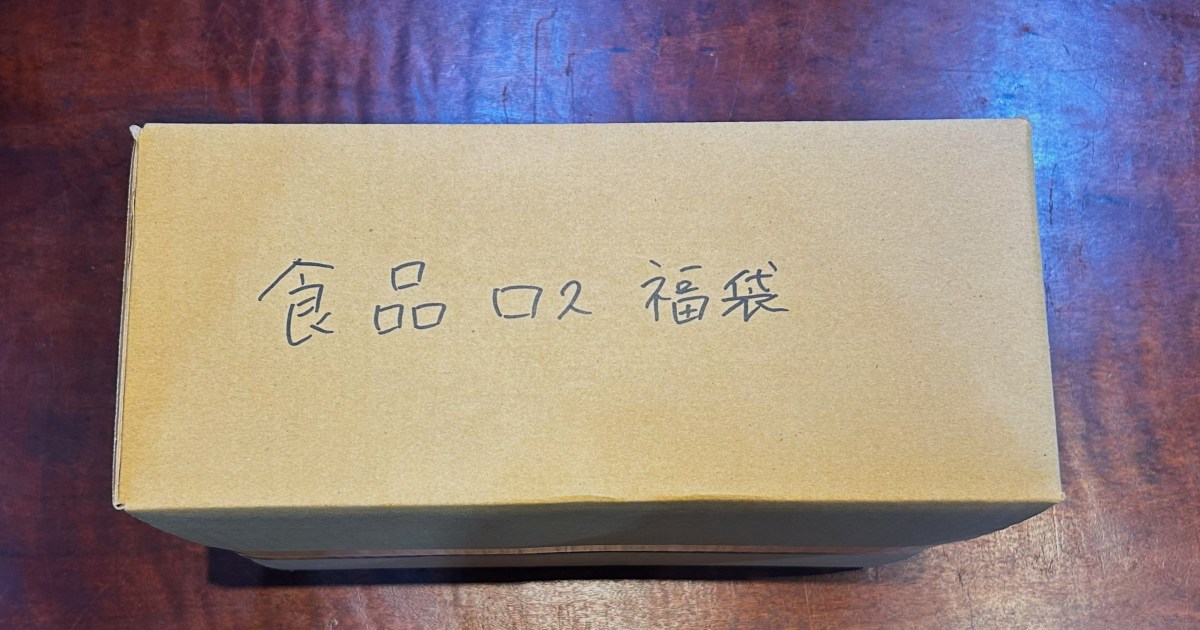
Rakuten’s Food Loss Fukubukuro: A Bargain with a Purpose
Hey there, Japanese learners! Have you ever wondered how Japan tackles big social issues like food waste while offering incredible deals? Today, we’re diving into a fascinating story from Rakuten, one of Japan’s biggest online marketplaces, about a special 福袋 (fukubukuro - lucky bag) designed to reduce 食品ロス (shokuhin rosu - food loss). This isn’t just about scoring a bargain—it’s a glimpse into Japanese values of sustainability and resourcefulness that you won’t find in a textbook. Let’s unpack this unique box of goodies and see what it teaches us about Japanese culture and language!
What’s Inside Rakuten’s Food Loss Fukubukuro?
Imagine opening a box stuffed to the brim with snacks, drinks, and treats—all for just 1900 yen (about $13 USD, depending on exchange rates). That’s exactly what Rakuten’s “Food Loss Fukubukuro” offers. These mystery boxes, created under the 監修 (kanshuu - supervision) of the NPO Japan Mottainai Food Center, are filled with food items that are past their 賞味期限 (shoumi kigen - best-by date) or close to it, but still perfectly safe to eat. The goal is clear: to support the 削減 (sakugen - reduction) of food waste, a major issue in Japan where tons of edible food gets discarded each year due to strict expiration standards.
The contents of this particular box were a delightful surprise: banana-flavored sweets called ばななっ子 (bananako), lemon-flavored しるこサンド (shiruko sando - a biscuit with sweet red bean filling), Fuji Mountain chocolate crunch bars (eight of them!), long-shelf-life water from Yamanashi Prefecture, and even overseas energy bars. With over 30 items, including six bottled drinks, the box was so heavy it caught the reviewer off guard! While the exact contents vary, the value is undeniable—last year’s box was only 1800 yen, and even with a slight price hike, it’s still a steal. Perfect for satisfying a 小腹 (kobara - slight hunger) or sharing with friends!
What makes this even cooler is the message behind it. Along with the food, you get a note from the NPO explaining that profits support food loss reduction initiatives and help people in need. It’s a powerful reminder of a core Japanese value we’ll explore next.
Cultural Context: The Spirit of Mottainai in Japan
For many English speakers, buying near-expired food might feel odd or even risky. But in Japan, the cultural perspective is shaped by the concept of もったいない (mottainai - a sense of regret over waste). This term expresses sadness or guilt over discarding something that still has value, and it’s deeply ingrained in the Japanese mindset. It’s why initiatives like Rakuten’s Fukubukuro exist, reflecting a societal push to rethink consumption. Japan produces about 5-6 million tons of food waste annually, often due to strict “best by” dates that prioritize quality over practicality. NPOs like Japan Mottainai Food Center work to bridge this gap, and buying these boxes lets you join the effort in a small but meaningful way.
Then there’s the 福袋 (fukubukuro) tradition itself. These “lucky bags” are a New Year’s staple, sold by stores with mystery contents at discounted prices. While this food loss version isn’t holiday-specific, it carries the same fun, surprise-filled spirit. For Japanese people, opening a Fukubukuro feels like a mini-adventure tied to starting fresh with good fortune. As a learner, understanding these cultural layers gives you a deeper connection to everyday Japanese life—far beyond just memorizing vocab or grammar!
Learn Japanese from This Article
This story isn’t just about cheap snacks; it’s a window into how Japan addresses modern challenges with creativity and cultural values. When you learn Japanese the authentic way, as we do here at Japanese from Japan, you’re not just learning words—you’re learning to think and feel like a native speaker. Let’s break down some key language points from this story so you can use them in real-life situations, whether you’re chatting about sustainability or shopping online in Japan.
Key Vocabulary
Here are some essential words and phrases tied to this topic that you’ll hear in everyday conversations or see while exploring Japanese culture:
| Japanese | Romaji | Meaning |
|---|---|---|
| 食品ロス | shokuhin rosu | food loss, food waste |
| 福袋 | fukubukuro | lucky bag, mystery bag |
| 賞味期限 | shoumi kigen | best-by date, expiration date (for taste quality) |
| 監修 | kanshuu | supervision, editorial oversight |
| 削減 | sakugen | reduction, cutback |
| もったいない | mottainai | wasteful, regrettable |
| 小腹 | kobara | slight hunger, empty stomach |
Grammar Spotlight: 〜ようにしている (Make an Effort to Do)
One useful grammar pattern that ties into the theme of reducing waste is 〜ようにしている (~you ni shiteiru), which means “to make an effort to do” or “to try to do regularly.” It’s often used when describing conscious habits or efforts, like sustainability practices.
- Structure: Verb (dictionary form) + ようにしている
- Examples:
- 食品ロスを減らすようにしている。 (Shokuhin rosu o herasu you ni shiteiru.) I’m making an effort to reduce food waste.
- 毎日ゴミを分別するようにしている。 (Mainichi gomi o bunbetsu suru you ni shiteiru.) I try to sort my trash every day.
- 無駄にしないようにしている。 (Muda ni shinai you ni shiteiru.) I make an effort not to waste things.
This pattern is perfect for talking about personal habits or goals, especially in conversations about lifestyle or environmental topics. It shows intention and effort, which aligns with the cultural value of もったいない (mottainai).
Grammar Spotlight: 〜かもしれない (Might, Perhaps)
Another handy expression from this story is 〜かもしれない (~kamoshirenai), which means “might” or “perhaps.” It’s used to express uncertainty or possibility, like when guessing the contents of a mystery bag or the condition of food.
- Structure: Verb (plain form) / Adjective + かもしれない
- Examples:
- 福袋の中身は美味しいかもしれない。 (Fukubukuro no nakami wa oishii kamoshirenai.) The contents of the lucky bag might be delicious.
- この食べ物はまだ食べられるかもしれない。 (Kono tabemono wa mada taberareru kamoshirenai.) This food might still be edible.
- 賞味期限が過ぎているけど、問題ないかもしれない。 (Shoumi kigen ga sugiteiru kedo, mondai nai kamoshirenai.) The best-by date has passed, but it might still be fine.
Use this when you’re speculating or softening a statement—it’s a natural way to sound less assertive, which is often appreciated in Japanese communication.
Closing Thoughts
Rakuten’s Food Loss Fukubukuro is more than just a great deal—it’s a lesson in Japanese values like もったいない (mottainai) and a chance to engage with real, practical language. By exploring stories like this, you’re learning Japanese the way it’s lived in Japan, connecting with the culture behind the words. Keep practicing these vocab words and grammar patterns, and you’ll be ready to chat about sustainability or snag your own Fukubukuro someday!
これからもよろしくお願いします。 Kore kara mo yoroshiku onegaishimasu.