
From 100-Yen to Premium: A Japanese Cleaning Story
If you’ve ever stepped into a Japanese 100均 (hyakkin, 100-yen shop), you’ve probably been blown away by the sheer variety of stuff you can snag for just over a dollar. These stores are a window into everyday Japanese life, packed with everything from quirky gadgets to practical tools. But what happens when even these budget-friendly treasures don’t quite cut it? Today, we’re diving into a relatable tale from Rocket News about swapping a ダイソー (Daisō) broom and dustpan set for a pricier alternative—and what it teaches us about value, quality, and the Japanese approach to everyday items. Along the way, you’ll pick up some authentic Japanese vocab and grammar straight from the streets (and homes) of Japan.
The Charm of the 100-Yen Cleaning Set
For years, the author of this story relied on a trusty ほうき (hōki, broom) and ちりとり (chiritori, dustpan) set from ダイソー (Daisō), Japan’s most iconic 100-yen shop chain. At just 110 yen each (tax included), it was a bargain you couldn’t resist. Apparently, others thought so too—the dustpan was completely sold out on Daiso’s online store across all regions as of October 2023! For the price, the set wasn’t half bad. The broom’s handle was long enough for comfortable use, and the dustpan could stand upright on its own, making it perfect for quick sweeps at the 玄関 (genkan, entranceway)—a space that’s more than just a hallway in Japanese homes.
At first, this dirt-cheap duo seemed to do the trick for tidying up the entrance. The author kept them propped in a corner of the 玄関, always ready for a quick cleanup. But as time passed, small frustrations started creeping in, piling up like the dust they were supposed to clear.
When Cheap Starts to Feel Costly
After months of use, the 100-yen set began showing its limits. The broom’s bristles weren’t effective enough, leaving behind bits of dirt no matter how much effort was put in. The dustpan had a slight wobble, tipping over at the most inconvenient times. These weren’t huge problems, but they created a nagging ストレス (sutoresu, stress) every time cleaning was on the agenda. Worse, there was a subtle 違和感 (iwakan, sense of discomfort) with the plain, uninspired design. It wasn’t ugly, but it didn’t bring any joy to the task either—a small but real factor when you’re maintaining a personal space like your home’s entrance.
In the end, the author felt 不本意 (fuhon'i, reluctantly) forced to admit the set wasn’t cutting it. They found themselves in a situation where they ざるを得ない (zaru o enai, couldn’t help but) consider an upgrade, even if it meant spending more than they’d planned.
Upgrading to a Premium Pick
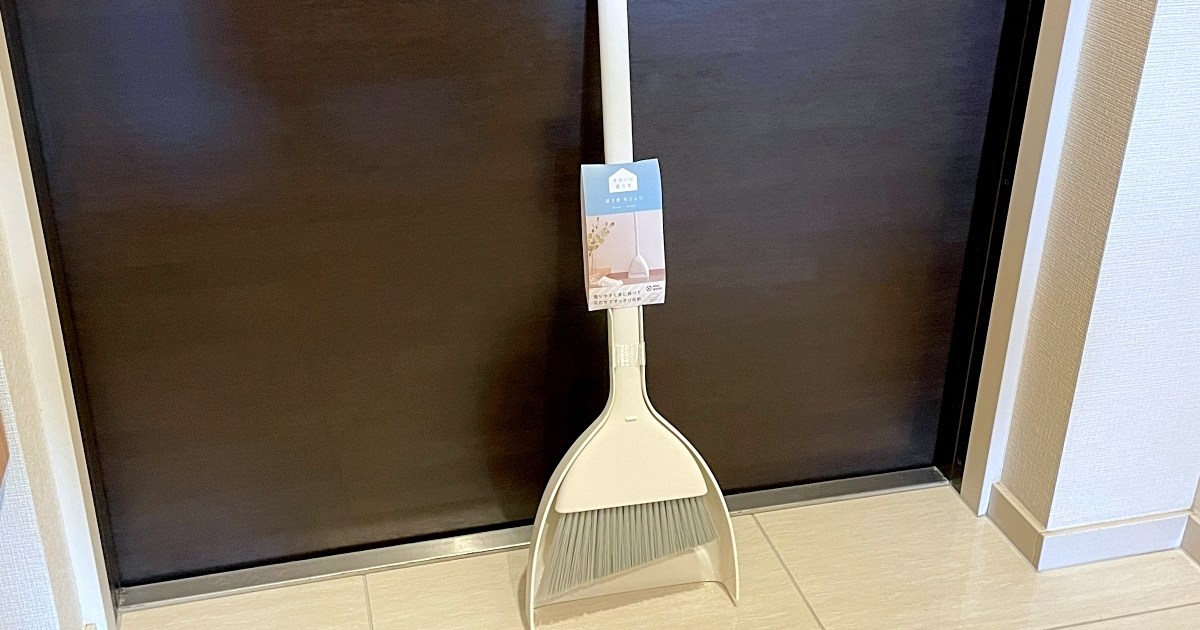
Tired of the persistent little annoyances, the author decided to switch things up. They opted for a new ほうき and ちりとり set from マーナ (Māna, Marna), a brand ranked as the number-one bestseller in Amazon Japan’s broom category (as of December 2025). Priced at 2,178 yen but snagged on sale for 1,682 yen with a 23% discount, it was a big jump from the 100-yen duo. This wasn’t just an impulsive buy—it was a conscious choice to test whether investing more in something as ordinary as cleaning tools could transform the daily chore of sweeping the 玄関.
What did they discover after making the switch? That’s where this story gets juicy, not just for the product comparison but for the deeper insight into balancing cost and quality—a dilemma we all face, but one that carries a unique flavor in Japan.
Cultural Context: More Than Just Cleaning
In Japan, the 玄関 (genkan, entranceway) isn’t just a spot to kick off your shoes. It’s a symbolic line between the outside world and the sacred, personal space of the home. Keeping it spotless ties into deep-rooted values of purity and respect, which is why even the tools used for this task carry weight. Meanwhile, 100均 (hyakkin) shops like ダイソー (Daisō) are a cultural staple, reflecting Japan’s genius for efficiency and accessibility. They’re not just stores; they’re a lifestyle, offering practical solutions with a distinctly Japanese twist.
But this story also reveals another side of Japanese culture: a quiet appreciation for craftsmanship and quality, even in the mundane. Choosing a pricier but thoughtfully designed product like マーナ (Māna) shows a balance between frugality and the pursuit of 心地よさ (kokochiyosa, comfort or pleasantness) in everyday life. It’s a reminder that in Japan, even small details—like how a broom feels in your hand—can matter a lot.
Learn Japanese from This Article
Let’s take a moment to dig into some authentic Japanese language lessons pulled straight from this story. Whether you’re sweeping up vocab or brushing up on grammar, these are expressions you’ll hear in real Japanese conversations.
Essential Vocabulary
| Japanese | Romaji | Meaning |
|---|---|---|
| 100均 | hyakkin | 100-yen shop |
| ほうき | hōki | broom |
| ちりとり | chiritori | dustpan |
| 玄関 | genkan | entranceway |
| 不本意 | fuhon'i | reluctantly, against one’s will |
| 違和感 | iwakan | sense of discomfort, something feels off |
| ストレス | sutoresu | stress |
Grammar Spotlight
1. 〜ざるを得ない (zaru o enai): Cannot Help But, Have No Choice But To
This pattern expresses a situation where you’re forced to do something, even if you don’t want to. It’s often used with negative emotions or reluctance.
- Structure: Verb (dictionary form) + ざるを得ない
Examples:
- 高くても買うざるを得ない。(Takakutemo kau zaru o enai.
- Even though it’s expensive, I have no choice but to buy it.)
- 嫌だけど認めるざるを得ない。(Iya dakedo mitomeru zaru o enai.
- I don’t like it, but I can’t help but admit it.)
- 時間がないので急ぐざるを得ない。(Jikan ga nai node isogu zaru o enai.
- I have no time, so I have no choice but to hurry.)
- 高くても買うざるを得ない。(Takakutemo kau zaru o enai.
When to Use: Perfect for expressing situations where external circumstances push you to act, like the author reluctantly upgrading their cleaning tools.
2. 〜ている (teiru): Ongoing Action or State
This form indicates something that’s currently happening or a state that persists over time. It’s one of the most common grammar points in Japanese.
- Structure: Verb (te-form) + いる
Examples:
- 玄関を掃いている。(Genkan o haiteiru.
- I’m sweeping the entranceway.)
- ストレスを感じている。(Sutoresu o kanjiteiru.
- I’m feeling stress.)
- ほうきを使っている。(Hōki o tsukatteiru.
- I’m using a broom.)
- 玄関を掃いている。(Genkan o haiteiru.
When to Use: Use this to describe actions in progress or ongoing states, like the author 感じている (kanjiteiru, feeling) frustration with their old tools.
Useful Expression
- 違和感がある (iwakan ga aru): “Something feels off” or “There’s a sense of discomfort.” You’ll hear this a lot when Japanese speakers describe subtle unease, like the author’s feelings about the wobbly dustpan. Example: このデザインには違和感がある。(Kono dezain ni wa iwakan ga aru.
- There’s something off about this design.)
Closing Thoughts
This journey from a 100-yen ダイソー (Daisō) set to a premium マーナ (Māna) alternative isn’t just about brooms and dustpans—it’s a peek into how Japanese culture values both practicality and the small joys of quality. As you learn Japanese the authentic way, the way it’s taught in Japan, remember that language isn’t just words; it’s a doorway to understanding these everyday nuances. Keep exploring, keep sweeping up new knowledge, and let’s continue this journey together.
これからもよろしくお願いします。 Kore kara mo yoroshiku onegaishimasu.