
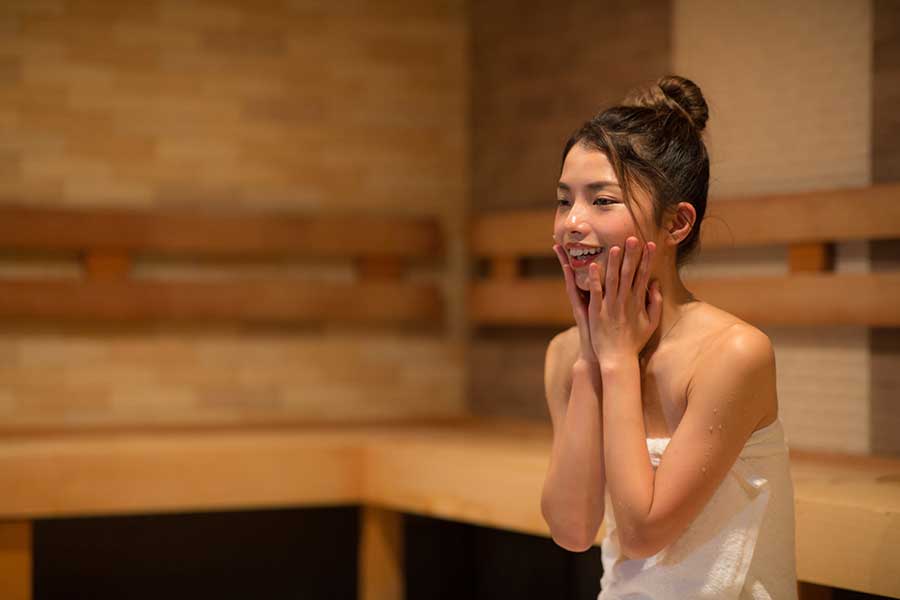
On November 4, Hint-Pot highlighted a simple but unpleasant problem at Japanese bath facilities: some people rinse their mouths at shared water dispensers. A video from 竜泉寺の湯 (Ryūsenji no Yu) warned that using a 共用設備 (kyouyou setsubi, shared facility) this way can bother other guests, splash water around, and leave the area wet.
Bathhouses and spa-style 温浴施設 (on'yoku shisetsu) are places to relax and recover from daily fatigue. But precisely because many people use them, basic 配慮 (hairyo, consideration) matters. According to Hint-Pot, two official TikTok posts from Ryusenji no Yu facilities drew attention to manners that guests may overlook.
Shared water dispensers are not for gargling
One TikTok video from 竜泉寺の湯 (Ryūsenji no Yu), titled 銭湯での注意事項 (sentō de no chūi jikō, bathhouse precautions), introduced four kinds of behavior guests should avoid. One of them was gargling at a cold water dispenser.
These dispensers are often placed near the bath exit or in the 脱衣所 (datsuijo, changing room), and many people use them. The facility warned that spitting out water there can cause 迷惑 (meiwaku, trouble or nuisance) for others and wet the equipment. Gargling should be done at a sink or another place the facility allows.
The comments included reactions such as これはたまにやってる人いるかも (kore wa tama ni yatteru hito iru kamo), “Some people probably do this sometimes.” A person who said they clean at a hot spring facility also commented that they had actually seen an older woman gargling at a water dispenser and called it dirty.
Wipe off before returning to the changing room
Another official TikTok post came from スパメッツァおおたか 竜泉寺の湯 (Spa Metsa Ōtaka Ryūsenji no Yu) in Nagareyama, Chiba Prefecture. It explained the “correct manners” for leaving the bathing area.
The main point was to wipe water from your body and hair with a face towel before going back to the 脱衣所 (datsuijo). If people return while still wet, the floor can become slippery and uncomfortable for others. The facility said wet floors can leave someone’s socks soaked, create an 不快 (fukai, unpleasant) feeling, and even raise the risk of 転倒 (tentou, falling down).
At the same time, the facility told guests to be careful not to block traffic while drying off. Before you stop to wipe yourself, check your surroundings so you do not become a 邪魔 (jama, obstruction) to other people entering or leaving.
Learn Japanese from This Article
Vocabulary
| Japanese | Romaji | Meaning |
|---|---|---|
| 温浴施設 | on'yoku shisetsu | bathing facility; hot bath/spa facility |
| 配慮 | hairyo | consideration; thoughtfulness |
| 脱衣所 | datsuijo | changing room |
| 共用設備 | kyouyou setsubi | shared facility/equipment |
| 迷惑 | meiwaku | trouble; nuisance; inconvenience to others |
| 不快 | fukai | unpleasant; uncomfortable |
| 転倒 | tentou | falling down |
| 邪魔 | jama | obstruction; nuisance; being in the way |
Grammar Spotlight
〜からこそ — precisely because; all the more because
Pattern: [reason] + からこそ + [strong result/opinion]
From the article: しかし、多くの人が利用するからこそ、周囲への配慮が欠かせません。 Shikashi, ōku no hito ga riyō suru kara koso, shūi e no hairyo ga kakasemasen. “However, precisely because many people use it, consideration for others is essential.”
Example: みんなで使う場所だからこそ、きれいに使いたいです。 Minna de tsukau basho da kara koso, kirei ni tsukaitai desu. “Precisely because it is a place everyone uses, I want to use it neatly.”
Example: 大切な時間だからこそ、ゆっくり休みます。 Taisetsu na jikan da kara koso, yukkuri yasumimasu. “Precisely because it is important time, I will rest properly.”
Use this pattern when you want to stress that one fact is the very reason another action or judgment becomes stronger.
〜ように — so that; in order not to; with the aim of
Pattern: [verb/dictionary or negative form] + ように
From the article: ほかの利用者の邪魔にならないよう、周囲を確認してから拭くようにしましょう。 Hoka no riyōsha no jama ni naranai yō, shūi o kakunin shite kara fuku yō ni shimashō. “So that you do not get in the way of other users, check your surroundings before wiping off.”
Example: 床が濡れないように、先に体を拭きます。 Yuka ga nurenai yō ni, saki ni karada o fukimasu. “I wipe my body first so that the floor does not get wet.”
Example: ほかの人に迷惑をかけないように、静かに歩きます。 Hoka no hito ni meiwaku o kakenai yō ni, shizuka ni arukimasu. “I walk quietly so that I do not bother other people.”
This pattern is very common in daily Japanese. You will hear it in rules, advice, and polite instructions.
Useful Expressions
- 銭湯での注意事項 (sentō de no chūi jikō) — “bathhouse precautions” or “things to watch out for at a bathhouse”
- 正しいマナー (tadashii manā) — “proper manners”
- 濡れて不快な気持ちに (nurete fukai na kimochi ni) — “to feel uncomfortable because something is wet”
- 出入りの妨げにならない (deiri no samatage ni naranai) — “not to obstruct people coming and going”
Continue Learning
- Reading Simple Texts: Decoding Real Sentences: Want to use 〜ように from this article yourself? Our Reading Simple Texts: Decoding Real Sentences lesson covers it.
これからもよろしくお願いします。 Kore kara mo yoroshiku onegaishimasu.