
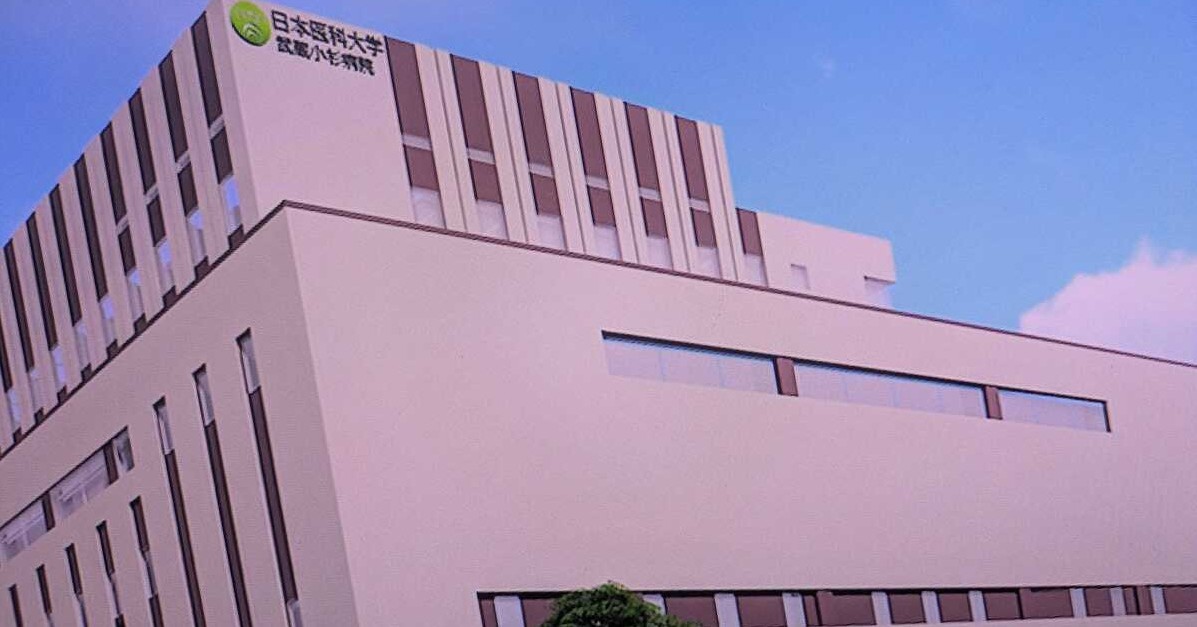
On February 13, Nippon Medical School Musashi Kosugi Hospital announced that a サイバー攻撃 (saibā kōgeki, cyberattack) had led to the leak of personal information belonging to around 10,000 patients. The attack targeted the hospital’s nurse call system—and involved ランサムウェア (ransamuwea, ransomware).
What Happened at the Hospital?
According to the hospital’s statement, the ナースコールシステム (nurse call system) サーバ (sāba, server) was infected with ransomware. As a result, personal information such as patients’ names, gender, addresses, phone numbers, and dates of birth was leaked.
The hospital と発表した (to happyō shita), “announced that,” the incident occurred due to a cyberattack. Importantly, as of February 13, there has been no impact on the main medical information system, and the hospital continues to accept patients as usual.
The trouble first appeared at around 1:50 a.m. on February 9, when nurse call terminals in the hospital wards began malfunctioning. After investigation by the system vendor, it 分かり (wakari), “was found,” that the server had been hit by ransomware. The hospital immediately disconnected the affected system and related networks.
Further investigation by an initial response team dispatched by the Ministry of Health, Labour and Welfare 確認した (kakunin shita), “confirmed,” that the compromised server had engaged in unauthorized communication with outside sources and that patient data had been stolen.
How Did the Attack Happen?
The hospital stated that details are still under investigation. However, the ransomware has already been identified, and a request has been made to create a パターンファイル (patān fairu, virus definition file) for antivirus software.
The entry point of the attack was confirmed to be a VPN(ブイピーエヌ) (bui pī en, Virtual Private Network) device used for maintaining medical equipment. Investigations into the exact circumstances are ongoing.
Before the official announcement, posts on SNS (esuenuesu, social networking services) claimed that a cyberattack group had carried out a ransomware attack on the hospital. According to those posts, the group claimed to have stolen more than 130,000 pieces of personal information.
Additionally, TV Asahi reported that the hospital has been demanded to pay 100 million US dollars as 身代金 (mishirokin, ransom).
Cultural Context: Hospitals and Cybersecurity in Japan
Japanese hospitals increasingly rely on digital systems—not only for medical records but also for equipment management and patient communication systems like nurse calls. These systems are often interconnected, which can make them vulnerable if even one entry point is compromised.
The involvement of a government-dispatched “initial response team” reflects how seriously cybersecurity incidents are treated in Japan, especially when sensitive personal information is involved. Personal data protection is governed by strict regulations, and breaches often lead to public announcements and formal apologies.
You may also notice how many of the technical terms—サーバ, ランサムウェア, VPN, SNS—are written in katakana. Modern Japanese technology vocabulary heavily relies on adapted foreign loanwords.
Learn Japanese from This Article
Key Vocabulary
| Japanese | Romaji | Meaning |
|---|---|---|
| サイバー攻撃 | saibā kōgeki | cyberattack |
| ランサムウェア | ransamuwea | ransomware |
| サーバ | sāba | server |
| VPN(ブイピーエヌ) | bui pī en | Virtual Private Network |
| SNS | esuenuesu | social networking service |
| パターンファイル | patān fairu | virus definition file |
| 身代金 | mishirokin | ransom |
| 漏えい | rōei | leak (of information) |
Notice how many of these are katakana loanwords. This is essential for reading Japanese tech news.
Grammar Spotlight
1. 〜と発表した
Meaning: “announced that…”
Structure: [Statement] + と発表した
Example from the article:
- 病院は個人情報が漏えいしたと発表した。 Byōin wa kojin jōhō ga rōei shita to happyō shita. The hospital announced that personal information had leaked.
This pattern is extremely common in news reports.
2. 〜ことが分かり/確認した
Meaning: “it was found that…” / “it was confirmed that…”
Structure:
- [Clause] + ことが分かり
- [Clause] + ことを確認した
Examples:
サーバが攻撃を受けたことが分かりました。 Sāba ga kōgeki o uketa koto ga wakarimashita. It was found that the server had been attacked.
不正通信を行っていたことを確認した。 Fusei tsūshin o okonatte ita koto o kakunin shita. It was confirmed that unauthorized communication had occurred.
These expressions are staples of formal reporting Japanese.
Useful Expression
- 通常通り (tsūjō dōri) — “as usual” 診療は通常通り行っている。 Shinryō wa tsūjō dōri okonatte iru. Medical services are operating as usual.
You’ll hear this often after disruptions—storms, train delays, or system failures.
Continue Learning
Working on your reading skills? Our Katakana Essentials: Adapting Global Words to Japanese lesson is a great next step.
Curious about the Japanese used here? Our Basic Vocabulary Building: Embracing Words Without Latin Ties lesson covers this in depth.
To understand more about tech, explore our Reading and Writing in Japanese II: Hiragana and Katakana lesson.
News like this can feel technical, but it’s actually a goldmine for real-world Japanese—especially if you want to read authentic headlines and understand modern society in Japan.
これからもよろしくお願いします。 Kore kara mo yoroshiku onegaishimasu.