
Japan's 2026 Election: A Political Turning Point
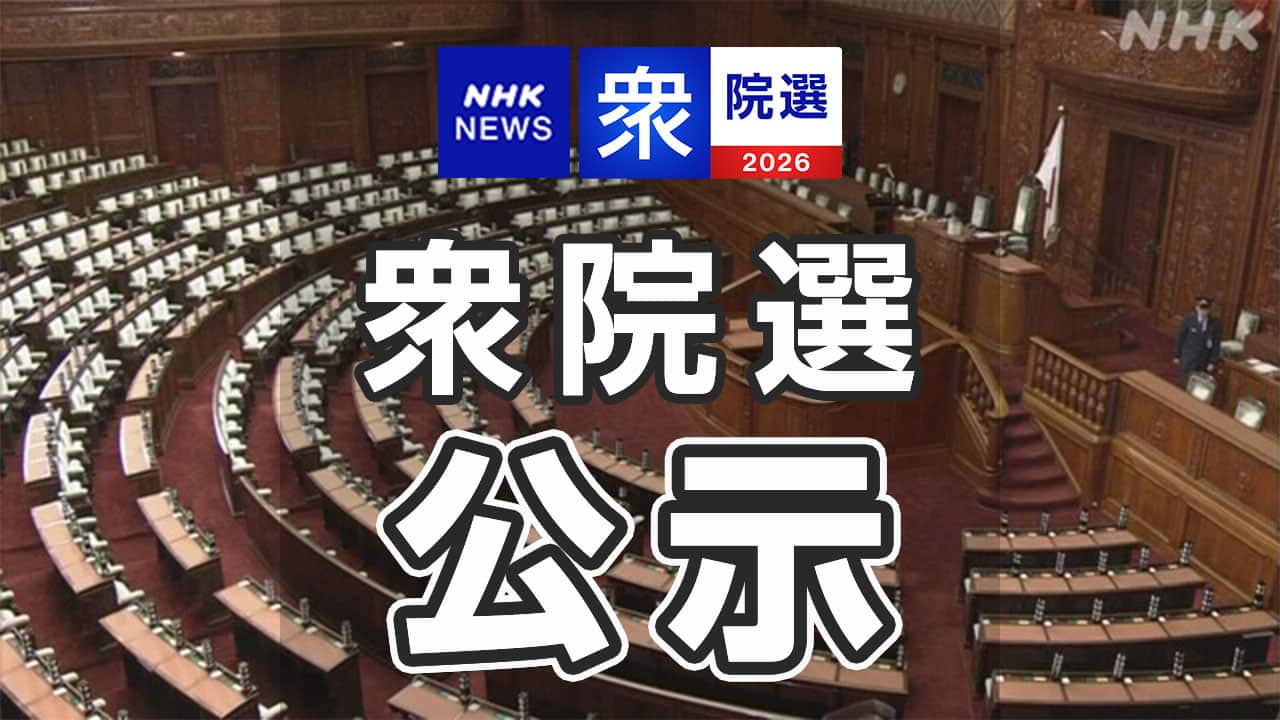
If you’ve ever been curious about how democracy unfolds in Japan, you’re in for a front-row seat to history. On January 27, 2026, the 51st 衆議院選挙 (Shūgiin Senkyo - House of Representatives Election) was officially announced, kicking off a high-stakes showdown that could reshape the nation’s future. This isn’t just a routine vote—it’s a battle for the soul of the current 高市政権 (Takaichi Seiken - Takaichi Administration). With 1,285 candidates stepping into the ring and a 12-day campaign sprint underway, let’s dive into what this election means and how you can learn authentic Japanese from it.
A High-Stakes Showdown Begins
The election’s start, marked by the 公示 (kōji - official proclamation), signals the beginning of an intense race for seats in the 衆議院 (Shūgiin - House of Representatives), the lower house of Japan’s National Diet. What sets this election apart is the shifting political landscape—new parties have emerged, and the balance between the 与党 (yotō - ruling party) and the 野党 (yatō - opposition party) is anything but certain. Will the ruling coalition secure a 過半数 (kahansū - majority) to keep Prime Minister Takaichi in power, or will the opposition disrupt the status quo?
This election isn’t just about numbers; it’s about Japan’s direction. With a staggering 1,285 候補者 (kōhosha - candidates) competing, the diversity of platforms reflects the complex challenges Japan faces today—from economic recovery to social reforms. For learners of Japanese, this is a unique chance to see how political language and culture intersect in real-time.
Cultural Context: Japan’s Political Heartbeat
To truly understand the weight of this election, let’s unpack Japan’s political framework. The 衆議院 (Shūgiin) is one of two chambers in the 国会 (Kokkai - National Diet), alongside the 参議院 (Sangiin - House of Councillors). While both play a role in lawmaking, the House of Representatives holds greater influence over critical decisions like budgets and selecting the prime minister. Elections here are often a direct reflection of public sentiment toward the government.
At the core of this system is the dynamic between the 与党 (yotō - ruling party) and 野党 (yatō - opposition party). The ruling party drives policy with its majority, while the opposition challenges and offers alternatives. For Japanese citizens, voting is more than a duty—it’s a way to engage with national issues, shaped by local ties and historical loyalties. Watching this election unfold offers a glimpse into how tradition and modern strategy blend in Japan’s democracy.
Learn Japanese from This Article
Ready to pick up some authentic Japanese from this political moment? Let’s break down key vocabulary and grammar patterns you’ll hear in discussions about elections in Japan. These are the same words and structures native speakers use, giving you a real taste of the language as it’s spoken.
Key Vocabulary
| Japanese | Romaji | Meaning |
|---|---|---|
| 衆議院選挙 | Shūgiin Senkyo | House of Representatives Election |
| 公示 | kōji | official proclamation/announcement |
| 政権 | seiken | administration, government |
| 与党 | yotō | ruling party |
| 野党 | yatō | opposition party |
| 過半数 | kahansū | majority |
| 候補者 | kōhosha | candidate |
These terms are everywhere during election season in Japan. Whether you’re watching the news or chatting with locals, knowing words like 候補者 (kōhosha - candidate) or 過半数 (kahansū - majority) will help you follow the conversation.
Grammar Spotlight: 〜のか for Speculation
One grammar pattern you’ll hear in discussions about elections is 〜のか, which embeds a question within a statement for emphasis or speculation. It’s often used when pondering outcomes or expressing curiosity, perfect for a situation like this where the future is uncertain.
- Structure: [Question stem] + のか + [rest of sentence]
- Example 1: 高市政権が続くのか、誰も知らない。(Takaichi seiken ga tsudzuku no ka, dare mo shiranai.
- Whether the Takaichi administration will continue, no one knows.)
- Example 2: 野党が過半数を獲得するのか、注目されている。(Yatō ga kahansū o kakutoku suru no ka, chūmoku sarete iru.
- Whether the opposition will gain a majority is drawing attention.)
- Example 3: この候補者が勝つのか、結果が楽しみだ。(Kono kōhosha ga katsu no ka, kekka ga tanoshimi da.
- Whether this candidate will win, I’m looking forward to the result.)
Use 〜のか when you want to express doubt or curiosity about a situation, especially in formal or analytical contexts like political discussions.
Grammar Spotlight: 〜中 for Ongoing Situations
Another useful pattern is 〜中 (chū), meaning “in the middle of” or “during.” It’s often used to describe ongoing conditions or situations, like the current election campaign.
- Structure: [Noun] + 中 or [Verb stem] + 中
- Example 1: 選挙戦の真っ最中だ。(Senkyosen no massaichū da.
- It’s right in the middle of the election campaign.)
- Example 2: 公示中、候補者は忙しい。(Kōji-chū, kōhosha wa isogashii.
- During the proclamation period, candidates are busy.)
- Example 3: 討論会を見ている最中だ。(Tōronkai o mite iru saichū da.
- I’m in the middle of watching a debate.)
This pattern is super practical for describing anything happening right now, from events to personal activities. You’ll hear it a lot in news reports about ongoing situations like elections.
Continue Learning
Want to dive deeper into Japanese grammar and expressions? Check out these lessons to build on what you’ve learned today:
- Wa vs. Ga: Emphasizing Importance in Sentences: To understand more about は, explore our Wa vs. Ga: Emphasizing Importance in Sentences lesson.
- Time and Dates: Tense-Free Expressions: Want to learn more about time? Check out our lesson on Time and Dates: Tense-Free Expressions.
- Ni, De, and E: Mapping Directions and Locations: To understand more about に, explore our Ni, De, and E: Mapping Directions and Locations lesson.
Learning Japanese isn’t just about words—it’s about connecting with the culture and context behind them. Keep exploring, and you’ll be amazed at how much you can understand!
これからもよろしくお願いします。 Kore kara mo yoroshiku onegaishimasu.