
Ogikubo's Ganso Zushi: Is This Tokyo Sushi Worth the Hype?
Imagine stepping off the train at Ogikubo Station in Tokyo, the hum of the city buzzing around you, and a tantalizing rumor pulling you forward: there’s a sushi spot nearby, 元祖寿司 (Ganso Zushi, Original Sushi), that might just outshine even the biggest conveyor belt chains. If you’ve ever wondered whether a small local joint can compete with giants like スシロー (Sushiro), you’re in for a treat. A recent taste test by Rocket News revealed a surprising truth about what makes sushi truly exceptional—and it’s not just about the fish. Let’s dive into this delicious showdown and uncover some authentic Japanese along the way, just as it’s learned in Japan.
The Sushi Showdown at Ogikubo Station
Rocket News reporter Sato wasn’t a sushi expert, much like many of us who assume all 回転寿司 (kaiten-zushi, conveyor belt sushi) is more or less the same—cheap, quick, and machine-made. But whispers about 元祖寿司荻窪駅前店 (Ganso Zushi Ogikubo - a local gem near Ogikubo Station in Tokyo—piqued his curiosity. Unlike the robotic efficiency of big chains, this branch prides itself on tradition. Here, skilled *板前 (itamae, sushi chefs) craft everything by hand, from preparing the rice to shaping each piece. And the best part? The prices are just as wallet-friendly as the chains, with dishes ranging from 127 yen to 550 yen (tax included).
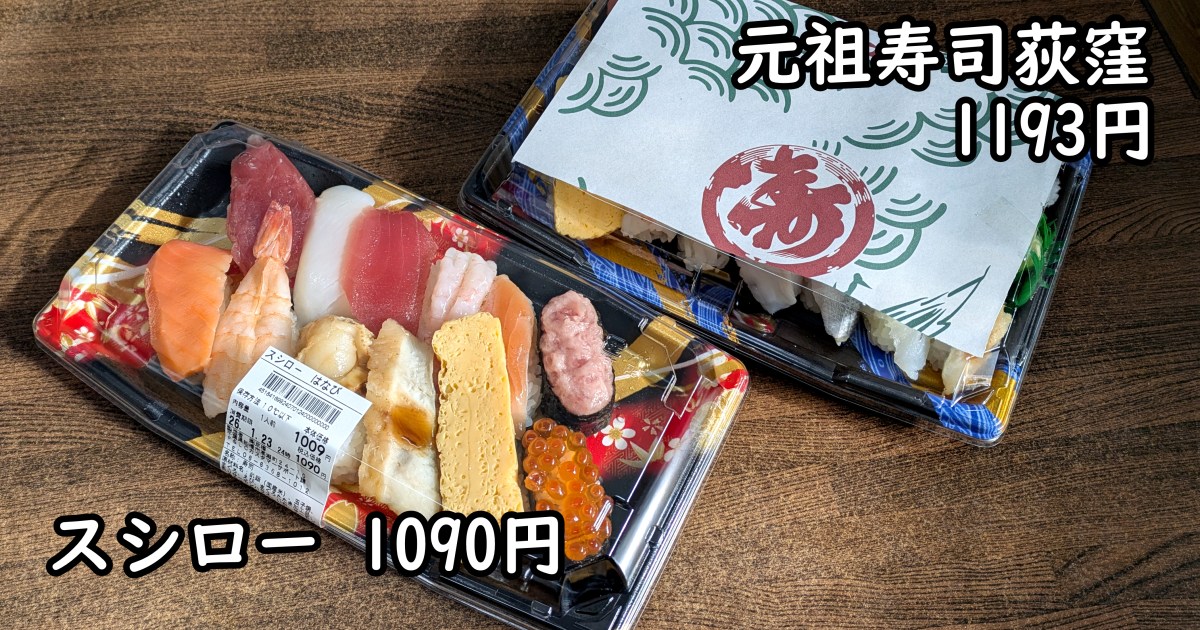
Sato decided to put the rumors to the test. He ordered a takeout set called "Sapporo" from Ganso Zushi—a mixed platter of 12 pieces plus a roll for about 1,193 yen. For comparison, he grabbed the "Hanabi" set from a nearby Sushiro location for 1,090 yen. Back home, he compared the two side by side. While Sushiro’s portions looked bigger with heftier slices of マグロ (maguro, tuna) and うなぎ (unagi, eel), Ganso Zushi won with its finesse. Subtle cuts in the イカ (ika, squid) showcased the chef’s skill, and the 鮮度 (sendo, freshness) was evident just by looking at the vibrant colors.
The real difference, though, was in the シャリ (shari, sushi rice). Sushiro’s machine-shaped rice felt clunky, like chewing through little blocks. Ganso Zushi’s hand-formed rice, however, was soft and rounded, with grains blending seamlessly—a perfect match for the ネタ (neta, sushi topping). Sato couldn’t stop raving about the 鉄火巻き (tekka-maki, tuna roll), uniform and bursting with flavor, making him eager to try other rolls like かんぴょう巻き (kanpyō-maki, dried gourd roll) next time.
A Slice of Local Tokyo Life
This isn’t just a food review; it’s a glimpse into the everyday rhythm of a Tokyo neighborhood. Ogikubo, nestled in Suginami Ward, isn’t a tourist magnet like Shinjuku. It’s a quieter, residential area with a grounded charm, currently in the midst of redevelopment. Ganso Zushi’s Ogikubo branch stands in a spot where many nearby shops have closed due to these changes, yet it holds strong (as of January 23, 2026). Sato mentions it might soon move to a new building nearby, a nod to how even cherished local spots must adapt to Japan’s shifting urban landscape. For now, it remains a small symbol of tradition amid change.
Cultural Context: The Heart of Sushi Craftsmanship
In Japan, sushi isn’t merely food—it’s an art form rooted in history and pride. The term 板前 (itamae, sushi chef) signifies a professional who’s dedicated years to mastering knife techniques, rice 仕込み (shikomi, preparation), and fish selection. While chains like Sushiro use automation to make sushi affordable for everyone, places like Ganso Zushi embody the 職人 (shokunin, craftsman) spirit, where every detail is a labor of love. This commitment shines through in their sourcing of fresh fish from 豊洲市場 (Toyosu Shijō), Tokyo’s renowned wholesale market, prioritizing quality over ease.
There’s also the idea of 地域密着 (chiiki mitchaku), meaning being deeply connected to the local community. Ganso Zushi isn’t just a restaurant; it’s woven into Ogikubo’s identity, a familiar spot for locals over the years. Sato admits he lived nearby for ages without noticing the care behind this place, which reflects a beautiful aspect of Japanese culture: its treasures often hide in plain sight, quietly excellent and waiting for you to discover them. As a learner, this story isn’t just about sushi—it’s about tuning into the subtle, meaningful details that shape Japanese life.
Learn Japanese from This Article
Let’s turn this tasty tale into a learning opportunity! Just as Japanese kids grow up absorbing language through daily life—like chatting about food at the dinner table—you’ll pick up some authentic words and grammar here. These are terms and patterns you’d hear in a real sushi shop or casual conversation in Japan.
Key Vocabulary
| Japanese | Romaji | Meaning |
|---|---|---|
| 回転寿司 | kaiten-zushi | conveyor belt sushi |
| 板前 | itamae | sushi chef, professional chef |
| 仕込み | shikomi | preparation (of food or materials) |
| 鮮度 | sendo | freshness |
| ネタ | neta | sushi topping, ingredient (often fish) |
| シャリ | shari | sushi rice |
| 持ち帰り | mochikaeri | takeout, to go |
Grammar Spotlight: 〜ている (Ongoing Action or State)
In Japanese, adding 〜ている (~te iru) to a verb describes an ongoing action or a current state, much like the English “-ing” form or a state resulting from an action. You’ll hear this all the time in daily conversation, like when describing what someone is doing right now.
- Pattern: Verb (te-form) + いる
Examples:
- 寿司を食べている。(Sushi o tabete iru.
- I’m eating sushi.)
- 店が開いている。(Mise ga aite iru.
- The shop is open.)
- 彼は荻窪に住んでいる。(Kare wa Ogikubo ni sunde iru.
- He lives in Ogikubo.)
- 寿司を食べている。(Sushi o tabete iru.
When to Use: Use 〜ている for actions happening right now or to describe a continuous state. It’s a natural way to talk about what’s going on around you, like Sato 比べてみると (kurabete miru to, upon comparing) the two sushi sets in the article.
Grammar Spotlight: 〜比べてみると (Upon Comparing)
The phrase 〜比べてみると (kurabete miru to) means “when compared” or “upon comparing.” It’s a useful expression for contrasting things, just like Sato did with Ganso Zushi and Sushiro.
- Pattern: Verb (te-form) + みる + と
- Examples:
- シャリを比べてみると、元祖寿司の方が美味しい。(Shari o kurabete miru to, Ganso Zushi no hō ga oishii.
- Upon comparing the sushi rice, Ganso Zushi’s is tastier.)
- 二つの店を比べてみると、値段は同じだ。(Futatsu no mise o kurabete miru to, nedan wa onaji da.
- When comparing the two shops, the prices are the same.)
- シャリを比べてみると、元祖寿司の方が美味しい。(Shari o kurabete miru to, Ganso Zushi no hō ga oishii.
- When to Use: This is great for reviews or discussions where you’re weighing options, a common scenario in Japanese conversations about food or shopping.
Useful Expression: 持ち帰り (mochikaeri, Takeout)
When you’re ordering food to go, like Sato did, you’ll often use 持ち帰り (mochikaeri, takeout). It’s a handy term for grabbing meals on the move.
- Example: 持ち帰りでお願いします。(Mochikaeri de onegaishimasu.
- Takeout, please.)
Continue Learning
Hungry for more Japanese? Check out these lessons to deepen your skills with authentic content, just like how it’s taught in Japan:
- Curious about the Japanese used here? Our Basic Vocabulary Building: Embracing Words Without Latin Ties lesson covers this in depth.
- Want to learn more about に? Check out our lesson on Ni, De, and E: Mapping Directions and Locations.
- Ready to dive deeper? Our lesson on Time and Dates: Tense-Free Expressions will help you master these concepts.
これからもよろしくお願いします。 Kore kara mo yoroshiku onegaishimasu.