
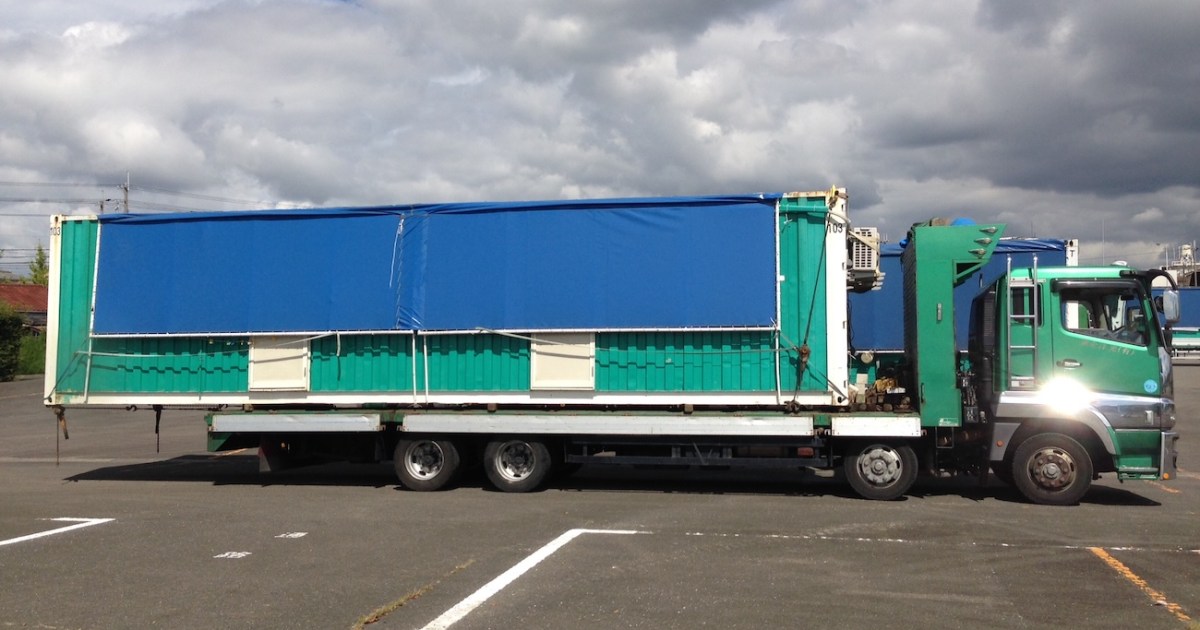
The Heart of Farewell: Life at Kinoshita Circus
Have you ever wondered what it’s like to live a life of constant movement, dazzling crowds under a circus tent, only to face the inevitable moment of saying goodbye? At 木下サーカス (Kinoshita Saakasu - Kinoshita Circus), Japan’s iconic circus troupe, performers weave a story of adventure, community, and personal choices. Today, we’ll take you behind the scenes of their transient world, exploring the emotional farewells and the courage to leave or return. Along the way, you’ll pick up authentic Japanese expressions and cultural insights that bring this unique lifestyle to life.
A Life of Journey and Goodbyes
For the performers at 木下サーカス, life is a whirlwind of travel—relocating every three months to a new city, meeting fresh faces, and leaving others behind. While some dream of a lifelong journey under the big top, many eventually consider 定住 (teijuu - settling down). Some return to their 故郷 (kokyou - hometown), while others grow attached to places they’ve performed in repeatedly, like Okinawa or Hokkaido, turning these cities into a second home. Interestingly, when choosing a place to settle, seasoned troupe members often opt for quieter, nature-rich areas over bustling cities, drawn by delicious local food and tight-knit communities.
Yet, not all departures are planned. The circus life isn’t for everyone, and some—often elite gymnasts chasing dreams of glamour—find they can’t adapt. In the past, it wasn’t uncommon for members to pull a 夜逃げ (yonige - running away at night), leaving behind their belongings and a short note saying すみません (sumimasen - I’m sorry). The next morning, their absence stings, but the show must go on. The circus lives by an unspoken rule: welcome those who come, and don’t chase those who leave.
When Life Calls for a New Stage
Even for those who thrive in the circus, the thought of 退団 (taidan - leaving a group) often lingers. Life events like marriage or childbirth can prompt tough decisions. A key turning point is a child’s entry into elementary school. With relocations every three months, frequent school transfers make it hard for kids to build lasting friendships or maintain a stable education. While some children embrace the diverse experiences, others struggle. When parents decide, “I want my child to grow up in one place,” one or both may choose to leave the troupe.
Others depart after feeling they’ve reached their peak. Like in any career, some performers are ready for a new challenge, eager to apply their skills elsewhere. When someone decides to leave, they notify the troupe leader six months in advance. This isn’t just politeness—it’s essential for 継承 (keishou - inheritance of skills), as the final months are spent mentoring juniors to ensure the legacy of the performance endures.
The Emotional Farewell
When a member leaves, the circus community gathers for a heartfelt 送別会 (soubetsukai - farewell party). Almost everyone attends, and emotions run high. A screen plays highlights of the departing member’s journey, paired with messages from peers and juniors. Laughter soon turns to tears, with nearly everyone crying by the end. The mastermind behind these tearful moments is often the backstage artist handling sound and lighting, who crafts moving farewell videos with extraordinary passion. Though the goal is to send someone off with smiles, the raw emotion of shared hardships and joys takes over.
These moments of 別れ (wakare - farewell) highlight the deep bonds formed through communal living. Departures are never seen as failures—everyone understands that leaving is a step toward shaping one’s future. Whether a senior performer pursues acupuncture or a coach dreams of becoming a tokusatsu hero, the circus nurtures an environment where dreams are voiced and chased.
The Return of the Heart
Not all farewells are forever. Some, like a performer named Takao-san, realize after years away that their true shine came from their circus family. Seven years after leaving, Takao returned to 木下サーカス, now performing as “Tappy the Clown” in the grand finale trapeze act, hiding a fierce love for the circus beneath his makeup. In this world, meetings and partings weave a continuous cycle as the troupe moves to the next town, chasing dreams under a new sky.
A Chance to Witness History
If you’re near Tokyo, 木下サーカス is currently performing at a special venue in Tachikawa until February 23, 2026. Stepping into the tent, you’ll witness a 120-year legacy of dreams and challenges—a slice of history worth experiencing firsthand.
Cultural Context: Bonds and Impermanence
The circus lifestyle at 木下サーカス reflects core Japanese values like 共同生活 (kyoudou seikatsu - communal living) and 絆 (kizuna - bonds). Unlike the individualistic focus often seen in Western cultures, Japanese circus troupes thrive on community, with members living, eating, and working as a tight-knit unit. The philosophy of 来る者は拒まず、去る者は追わず (kuru mono wa kobamazu, saru mono wa owazu - don’t refuse those who come, don’t chase those who leave) echoes a broader Japanese acceptance of life’s impermanence, rooted in Buddhist thought. This mindset allows for emotional farewells without judgment, viewing each departure as a natural step. Additionally, the preference for settling in places like Okinawa highlights a Japanese appreciation for 自然 (shizen - nature) and a slower pace of life, often seen as a return to harmony after years of travel.
Learn Japanese from This Article
Let’s dive into some authentic Japanese you can pick up from the world of 木下サーカス. These words and grammar points aren’t just textbook terms—they’re expressions you’ll hear in real-life contexts across Japan.
Key Vocabulary
| Japanese | Romaji | Meaning |
|---|---|---|
| 定住 | teijuu | settling down, permanent residence |
| 退団 | taidan | leaving a group or troupe |
| 故郷 | kokyou | hometown, birthplace |
| 別れ | wakare | farewell, parting |
| 継承 | keishou | inheritance, succession (of skills or traditions) |
| 送別会 | soubetsukai | farewell party |
| 夜逃げ | yonige | running away at night, absconding |
Grammar Spotlight
1. 〜なければならない (~nakereba naranai - must, have to)
This structure expresses necessity or obligation, often used when someone feels they must take action due to circumstances or duty. It’s a formal yet common way to convey “have to” in Japanese.
- Structure: Verb (negative stem) + なければならない
Examples:
- 団長に六ヶ月前に伝えなければならない。(Danchou ni rokkagetsu mae ni tsutaenakereba naranai.
- I must inform the troupe leader six months in advance.)
- 子供のために一つの場所で暮らさなければならない。(Kodomo no tame ni hitotsu no basho de kurasanakereba naranai.
- I must live in one place for my child’s sake.)
- 後輩に技術を教えなければならない。(Kouhai ni gijutsu o oshienakereba naranai.
- I must teach my skills to the juniors.)
- 団長に六ヶ月前に伝えなければならない。(Danchou ni rokkagetsu mae ni tsutaenakereba naranai.
Usage: This is often used in serious or formal situations, like obligations in work or family decisions, as seen with circus performers planning their departures.
2. 〜一方で (~ippou de - on the other hand, while)
This phrase is used to contrast two ideas or situations, showing a different perspective or simultaneous occurrence. It’s a great way to add nuance to your Japanese.
- Structure: Sentence/Verb + 一方で + contrasting idea
- Examples:
- サーカス生活は楽しい。一方で、別れも多い。(Saakasu seikatsu wa tanoshii. Ippou de, wakare mo ooi.
- Circus life is fun. On the other hand, there are many farewells.)
- 子供たちは色々な経験ができる。一方で、友達を作るのが難しい。(Kodomo-tachi wa iroiro na keiken ga dekiru. Ippou de, tomodachi o tsukuru no ga muzukashii.
- Children can have various experiences. On the other hand, making friends is difficult.)
- サーカス生活は楽しい。一方で、別れも多い。(Saakasu seikatsu wa tanoshii. Ippou de, wakare mo ooi.
- Usage: Use this to balance two sides of a story, much like how circus life offers both adventure and challenges.
Useful Expression
- 来る者は拒まず、去る者は追わず (kuru mono wa kobamazu, saru mono wa owazu
- don’t refuse those who come, don’t chase those who leave): This proverb encapsulates the circus’s philosophy and broader Japanese cultural acceptance of life’s natural flow. Use it to express openness to change and letting go without resentment.
Continue Learning
Want to expand your Japanese skills further? Check out these lessons from “Japanese from Japan” to dive deeper into related topics:
- Ni, De, and E: Mapping Directions and Locations: Curious about the Japanese used for places like Okinawa or Hokkaido? Our Ni, De, and E: Mapping Directions and Locations lesson covers this in depth.
- Basic Vocabulary Building: Embracing Words Without Latin Ties: To understand more about words tied to Japanese culture, explore our Basic Vocabulary Building: Embracing Words Without Latin Ties lesson.
- Time and Dates: Tense-Free Expressions: Want to learn more about expressing time, like performance schedules? Check out our lesson on Time and Dates: Tense-Free Expressions.
As you continue your journey with Japanese, remember that every word and phrase carries a story—like the farewells and returns of the circus. Keep practicing, and let these authentic expressions light up your path.
これからもよろしくお願いします。 Kore kara mo yoroshiku onegaishimasu.