
Hyundai’s Robot Revolution at CES: Learn Japanese Tech Vocab
Imagine walking into a tech expo expecting shiny cars, only to be greeted by a towering, two-legged robot moving with eerie precision. If you’ve ever been fascinated by the future of technology, Hyundai’s display at CES in Las Vegas will blow your mind—and it’s the perfect chance to dive into Japanese tech vocabulary. At "Japanese from Japan," we’re all about learning the language authentically, just as it’s taught in Japanese schools. So, let’s explore Hyundai’s robotic breakthrough while picking up words and grammar you’d hear in Japan’s tech-savvy circles.
Hyundai Steals the Show with Atlas
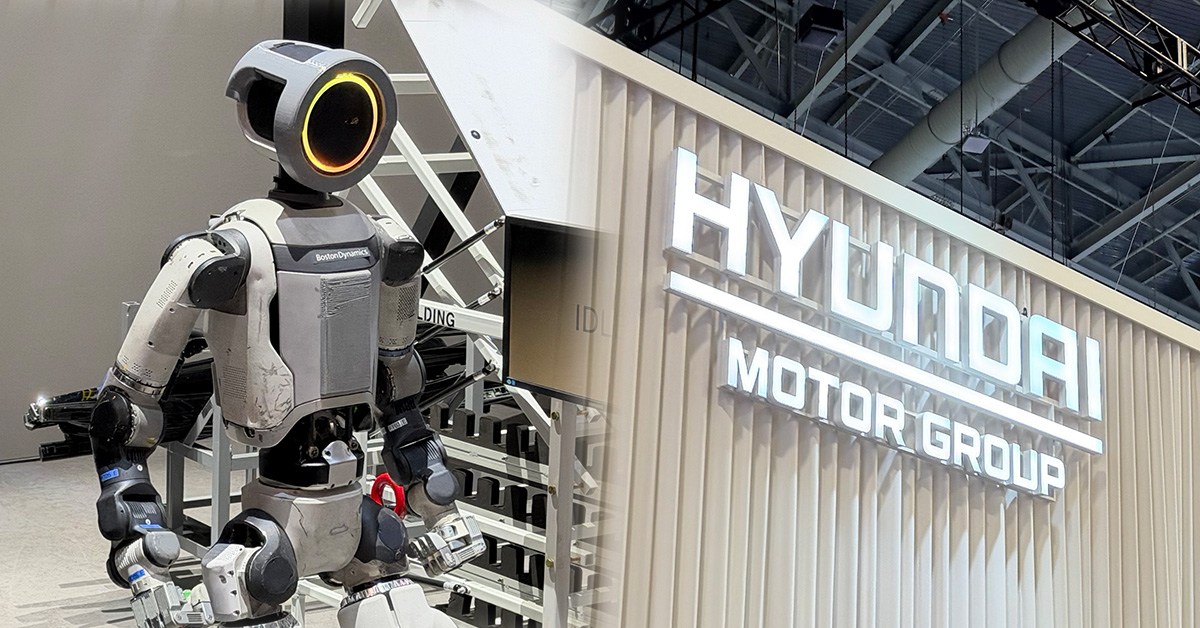
At the heart of CES, Hyundai—a South Korean giant known as ヒョンデ (Hyunde)—flipped expectations on their head. Their ブース (buusu, booth) wasn’t about cars; it was a stage for robots. The star? A bipedal marvel named Atlas from Boston Dynamics, a company under Hyundai’s umbrella. During the 基調講演 (kichou kouen, keynote speech), Atlas mesmerized the crowd with fluid movements, showcasing 二足歩行 (nisoku hokou, bipedal walking) that felt almost human. Hyundai announced plans for 量産 (ryousan, mass production), signaling a future where robots like Atlas could transform industries by 2028, starting with their U.S. factory, HMGMA.
Two versions of Atlas were on display: a dynamic prototype and a static model hinting at commercial design. Standing 190 cm tall and weighing 90 kg, Atlas demonstrated industrial potential, moving automotive parts with uncanny stability while a screen flashed “Autonomous,” or 自律 (jiritsu, independent), to highlight its solo operation. Behind the scenes, staff used VR goggles to train Atlas, which then performed tasks independently—a glimpse into how AI and robotics are merging.
Beyond Atlas: A Robotics Showcase
Hyundai’s booth wasn’t just about Atlas. The four-legged スポット (Supotto, Spot) showed off practical skills like navigating stairs for factory surveillance. They also paid homage to robotics history with displays of Atlas’s predecessors, like the viral quadruped ビッグドッグ (Biggu Doggu, BigDog). Hyundai’s partnership with Google DeepMind introduced ジェミニ・ロボティクス (Jemini Robotikusu, Gemini Robotics), an AI model for advanced control, hinting at robots with near-human intelligence. Their focus on シナジー (shinajii, synergy) between hardware and AI underscores their ambition to lead in mobility and automation.
Cultural Context: Japan’s Robotics Passion Meets Global Innovation
While Hyundai hails from South Korea, their innovations echo Japan’s deep-rooted obsession with robotics. Since the 1980s, Japan has been a trailblazer—think Honda’s ASIMO or Toyota’s automated factories. The word ロボット (robotto, robot) isn’t just tech jargon in Japan; it’s a cultural icon, popping up in anime, manga, and everyday conversation with a sense of wonder. For Japanese learners, Hyundai’s story isn’t just about tech—it’s a window into how global players intersect with Japan’s legacy. Understanding terms like 量産 (ryousan, mass production) or 自律 (jiritsu, autonomous) helps you engage with modern Japanese discourse, especially in a country where tech shapes society.
Learn Japanese from This Article
Let’s turn this tech marvel into a language lesson. Below, you’ll find key vocabulary and grammar patterns inspired by Hyundai’s CES showcase. These are words and structures you’d encounter in Japanese news or tech discussions, taught the way native speakers learn them—through context and real-world use.
Essential Vocabulary
| Japanese | Romaji | Meaning |
|---|---|---|
| ロボット | robotto | robot |
| 二足歩行 | nisoku hokou | bipedal walking |
| 量産 | ryousan | mass production |
| 自律 | jiritsu | autonomous, independent |
| ブース | buusu | booth (exhibition stand) |
| 基調講演 | kichou kouen | keynote speech |
| シナジー | shinajii | synergy |
Grammar Spotlight
Let’s break down two grammar patterns that can help you talk about tech and experiences like those at CES, just as Japanese speakers would.
1. 〜たこと: The Fact That (Something Happened) or Experience Of
This structure is used to express the fact or experience of having done something. It’s often used in reflective or explanatory contexts, like discussing past events at an expo.
- Structure: Verb (past tense) + こと
- Example 1: ロボットが自律で動いたことを初めて見た。 (Robotto ga jiritsu de ugoita koto o hajimete mita.) - I saw a robot move autonomously for the first time.
- Example 2: CESで基調講演を聞いたことはとても印象的だった。 (CES de kichou kouen o kiita koto wa totemo inshouteki datta.) - Hearing the keynote speech at CES was very impressive.
- When to Use: Use this to highlight a specific experience or event as a notable fact. It’s great for storytelling or sharing memorable moments.
2. 〜ている: Ongoing Action or State
This form indicates an ongoing action or a current state, often used to describe what’s happening in real-time or a continuing condition, like a robot’s operation.
- Structure: Verb (stem form) + ている
- Example 1: ロボットが部品を運んでいる。 (Robotto ga buhin o hakondeiru.) - The robot is carrying parts.
- Example 2: ヒョンデはロボットの量産を計画している。 (Hyunde wa robotto no ryousan o keikaku shiteiru.) - Hyundai is planning the mass production of robots.
- When to Use: Use this to describe actions in progress or ongoing states, especially in tech contexts where processes or developments are unfolding.
Useful Expression
Here’s a phrase you might hear in tech discussions or expos in Japan:
- 最先端の技術 (saisentan no gijutsu) - Cutting-edge technology
- Example: ヒョンデのブースでは最先端の技術が見られる。 (Hyunde no buusu dewa saisentan no gijutsu ga mirareru.) - At Hyundai’s booth, you can see cutting-edge technology.
Continue Learning
Want to build on what you’ve learned here? Check out these lessons to deepen your Japanese skills:
- Introduction to Kanji: Pictorial Foundations of Japanese Script: Working on your reading skills? Our Introduction to Kanji lesson is a great next step.
- Ni, De, and E: Mapping Directions and Locations: Want to learn more about に? Check out our lesson on Ni, De, and E: Mapping Directions and Locations.
- Wa vs. Ga: Emphasizing Importance in Sentences: Want to learn more about は? Check out our lesson on Wa vs. Ga: Emphasizing Importance in Sentences.
Learning Japanese is a journey, and every story like Hyundai’s robot revolution brings you closer to thinking and speaking like a native. Keep exploring with us, and you’ll be amazed at how much you can understand and express.
これからもよろしくお願いします。 Kore kara mo yoroshiku onegaishimasu.