
Oyster Outbreak in Mie: A Lesson in Japanese Food Culture
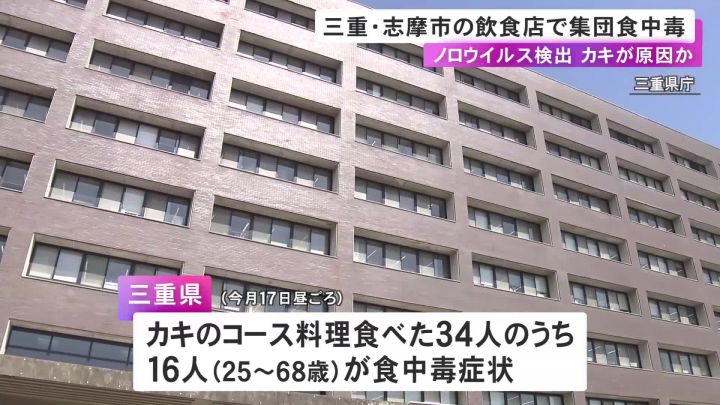
Have you ever dreamed of enjoying a traditional Japanese meal at a cozy inn, savoring seasonal delicacies like fresh oysters? For a group of diners in Mie Prefecture, that dream turned into a nightmare. On January 17th, a delightful lunch featuring a カキのコース料理 (kaki no kōsu ryōri), a multi-course oyster feast, led to a health scare for 16 people due to food poisoning. This incident, while unfortunate, offers a unique window into Japanese food culture, safety concerns, and the language surrounding everyday life in Japan. Let’s dive into the story and uncover some authentic Japanese you can use on your learning journey.
A Meal Gone Wrong in Shima City
In the picturesque Isobe area of Shima City, Mie Prefecture, 34 people gathered at 旅館橘 (Ryokan Tachibana), a traditional Japanese inn celebrated for its warm hospitality. Among the group, 16 individuals, aged 25 to 68, fell ill with severe 症状 (shōjō), or symptoms, including diarrhea and vomiting after enjoying a special oyster-centered meal. Health authorities later confirmed that ノロウイルス (norouirusu), or norovirus, was the culprit behind this outbreak of 食中毒 (shokuchūdoku), which means food poisoning. According to reports, the virus was likely linked to contaminated food, a common risk with raw seafood like oysters.
As a result of this incident, the inn faced a 営業禁止処分 (eigyō kinshi shobun), a temporary business suspension order, on January 23rd to prevent further cases and address the hygiene issues. For the diners, what was meant to be a memorable experience became a harsh reminder of how even cherished culinary traditions can carry risks if safety standards aren’t met.
Cultural Context: The Love for Oysters in Winter
If you’ve ever explored Japanese cuisine, you’ll know that food in Japan is deeply tied to the seasons. Oysters, or カキ (kaki), are a winter delicacy, prized for their rich, plump texture during the colder months. Coastal regions like Mie Prefecture are famous for their fresh seafood, and many 旅館 (ryokan), traditional inns, offer elaborate コース料理 (kōsu ryōri), or multi-course meals, to highlight local specialties. You might find oysters served raw, grilled, or in comforting winter dishes like 鍋 (nabe), a hot pot shared with family or friends.
This cultural love for seasonal ingredients comes with a flip side: a heightened awareness of food safety. Norovirus outbreaks, often linked to shellfish, are a known concern in Japan, and incidents like this one spark public conversations about hygiene in restaurants. For learners like you, this story isn’t just about a health scare—it’s a glimpse into how food reflects regional pride, seasonality, and meticulous care in Japanese culture, as well as the risks when things go wrong.
Learn Japanese from This Article
Let’s turn this real-life story into a learning opportunity. Here, you’ll find key vocabulary, grammar patterns, and expressions pulled straight from the context of this incident. This is how Japanese is used in everyday life, not just in textbooks, so you’re learning the way native speakers do.
Key Vocabulary
| Japanese | Romaji | Meaning |
|---|---|---|
| 食中毒 | shokuchūdoku | food poisoning |
| カキ | kaki | oyster |
| 旅館 | ryokan | traditional Japanese inn |
| ノロウイルス | norouirusu | norovirus |
| 営業禁止処分 | eigyō kinshi shobun | business suspension order |
| 症状 | shōjō | symptom |
| 鍋 | nabe | hot pot dish |
These words are incredibly practical, especially if you’re interested in Japanese food culture or plan to travel and dine in Japan. For instance, knowing 食中毒 (shokuchūdoku) can help you understand warnings or news, while 旅館 (ryokan) is a term you’ll encounter when exploring traditional accommodations.
Grammar Spotlight
Let’s look at two useful grammar patterns that often appear in news reports or formal explanations like this one.
〜から検出されました (kara kenshutsu saremashita) - "was detected from" This structure is used to indicate the source from which something (like a virus) was found or detected.
- Structure: [Source] + から + 検出されました
- Example 1: 患者からノロウイルスが検出されました。 (Kanja kara norouirusu ga kenshutsu saremashita.) - Norovirus was detected from the patients.
- Example 2: 食品から細菌が検出されました。 (Shokuhin kara saikin ga kenshutsu saremashita.) - Bacteria was detected from the food. This pattern is common in scientific or health-related contexts, helping you describe findings or results.
〜によると (ni yoru to) - "according to" This phrase is used to cite a source of information, often in news or reports.
- Structure: [Source] + によると + [Information]
- Example 1: 保健所によると、原因はカキだったそうです。 (Hokenjo ni yoru to, gen’in wa kaki datta sō desu.) - According to the health center, the cause was reportedly oysters.
- Example 2: ニュースによると、店は閉まっています。 (Nyūsu ni yoru to, mise wa shimatteimasu.) - According to the news, the shop is closed. You’ll hear this often in formal discussions or media, making it a handy phrase to recognize and use.
Useful Expression
Here’s a bonus expression tied to hospitality and dining culture in Japan:
- いらっしゃいませ (irasshaimase) - "Welcome!" This is a polite greeting you’ll hear when entering a restaurant, shop, or inn like a 旅館 (ryokan). It’s a hallmark of Japanese customer service and reflects the cultural emphasis on hospitality. Try using it if you’re practicing Japanese in a role-play setting, or simply listen for it on your next trip to Japan.
Continue Learning
Ready to expand your Japanese skills further? Check out these lessons from "Japanese from Japan" to build on what you’ve learned here:
- Want to learn more about food? Check out our lesson on Basic Vocabulary Building: Embracing Words Without Latin Ties.
- Curious about the Japanese used here? Our Wa vs. Ga: Emphasizing Importance in Sentences lesson covers this in depth.
- Ready to dive deeper? Our lesson on Ni, De, and E: Mapping Directions and Locations will help you master these concepts.
Learning Japanese isn’t just about words and grammar—it’s about connecting with the culture and real-life situations like this one. Keep exploring with us, and you’ll be amazed at how much you can understand and express.
これからもよろしくお願いします。 Kore kara mo yoroshiku onegaishimasu.