
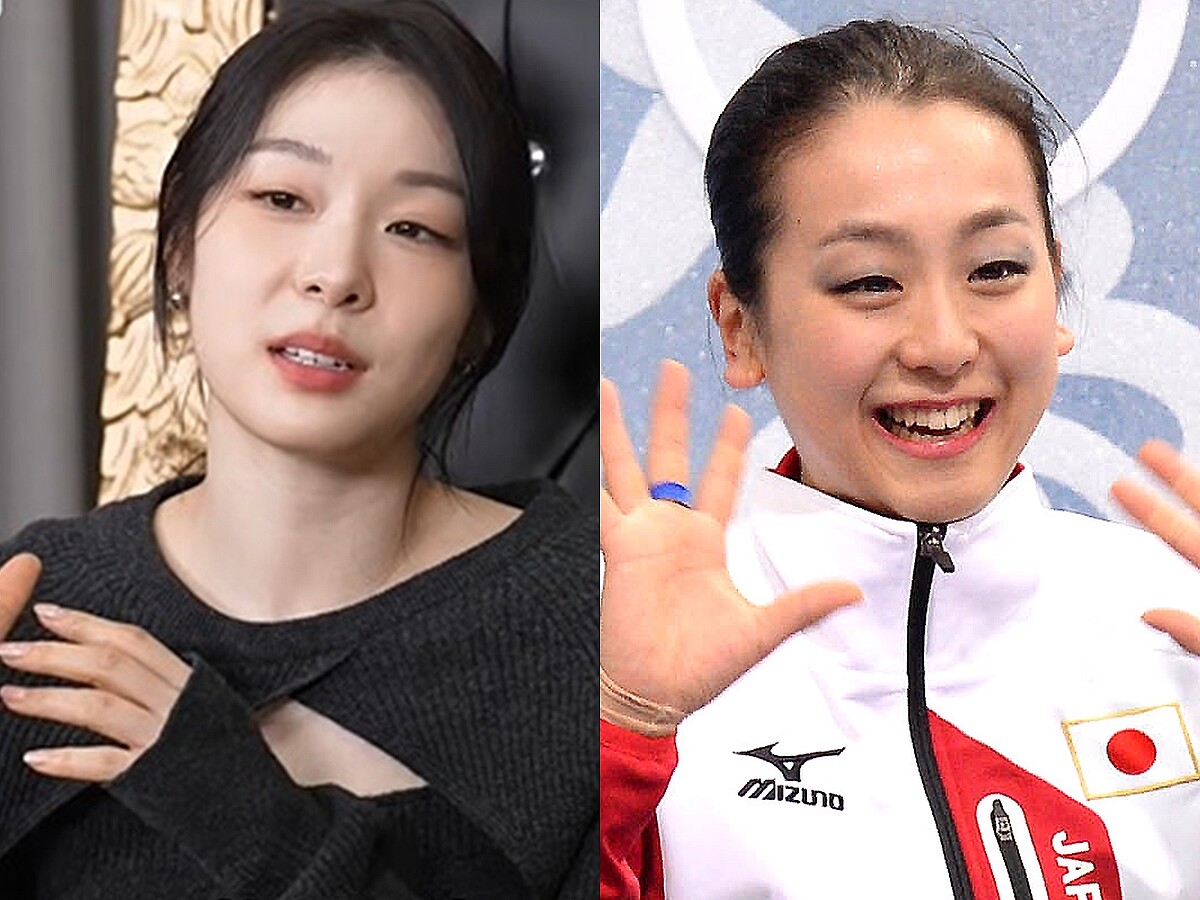
Kim Yuna on Asada Mao: “It’s Difficult to Call Us Close”
Have you ever wondered what goes on behind the scenes of intense sports rivalries, especially when they cross cultural borders? On January 22, 2026, a fascinating conversation on the YouTube channel "Shokupan Oneesan, Kim Yong-kyung" gave us a rare peek into the personal dynamics between South Korea’s figure skating legend Kim Yuna and Japan’s beloved skater, 浅田真央 (Asada Mao). This candid exchange not only highlights the unspoken tensions between competitors but also offers a unique opportunity to dive into Japanese language and culture. Let’s explore this moment together and pick up some authentic Japanese along the way!
A Conversation That Crossed Borders
In a video titled “A Clash of Worldviews! The Meeting of Emperors Finally Happens—Wait, Is This Really Happening?”, Kim Yuna sat down for a heartfelt 対談 (taidan, conversation) with Kim Yong-kyung, South Korea’s “Volleyball Empress.” The two discussed their careers and personal challenges with refreshing honesty. Things got particularly interesting when Kim Yong-kyung, speaking with a 慎重 (shinchou, cautious) tone, asked about Kim Yuna’s relationship with her long-time ライバル (raibaru, rival), 浅田真央 (Asada Mao). Kim Yuna’s reply was strikingly 率直 (sotchoku, frank): she admitted that describing their bond as “close” would be tough. She even posed a rhetorical question, “Even when you meet at a 試合 (shiai, competition), don’t you avoid speaking with members of the opposing team?” This moment revealed the invisible 衝突 (shoutotsu, conflict) that can linger between rivals, even when respect is mutual.
Cultural Context: More Than Just a Rivalry
The story of Kim Yuna and 浅田真央 (Asada Mao) isn’t just about two athletes competing on the ice; it’s layered with cultural significance due to the historical complexities between Japan and South Korea. For Japanese fans, 浅田真央 is more than a skater—she’s a national icon embodying the spirit of 頑張る (ganbaru, to do one’s best). Her perseverance through challenges resonated deeply with a culture that values honor and collective effort. On the other side, Kim Yuna carried the hopes of South Korea, and their rivalry often became a symbolic stage for national pride during events like the Olympics. Kim Yuna’s honest words about the difficulty of closeness remind us that in Japan, personal interactions—whether in sports or daily life—are often shaped by unspoken rules of respect and restraint. As language learners, understanding this context helps us see why certain expressions or behaviors in Japanese carry so much weight.
Learn Japanese from This Article
If you’ve been following along, you’ve already noticed some key Japanese words and phrases popping up. Let’s break them down and add a couple of grammar points to help you express nuanced ideas like Kim Yuna did in her interview. Learning Japanese the way it’s taught in Japan means diving into real-life contexts like this, so let’s make the most of it!
Essential Vocabulary
Here are some words from the conversation and cultural context that you’ll hear often in Japanese discussions about sports, relationships, and emotions:
| Japanese | Romaji | Meaning |
|---|---|---|
| ライバル | raibaru | rival, competitor |
| 対談 | taidan | conversation, dialogue |
| 率直 | sotchoku | frank, candid, straightforward |
| 慎重 | shinchou | cautious, careful |
| 試合 | shiai | match, competition |
| 衝突 | shoutotsu | collision, conflict |
These terms are incredibly useful, whether you’re chatting about sports or describing personal dynamics. Try using 率直 (sotchoku) the next time you want to compliment someone for being straightforward!
Grammar Spotlight: Expressing Difficulty and Rhetorical Questions
Let’s look at two grammar patterns that capture the nuance of Kim Yuna’s words. These are taught to Japanese students in school and are essential for expressing complex thoughts.
1. 〜のは難しい (~no wa muzukashii) - “It is difficult to ~”
This pattern is used to explain that doing something is challenging or tough. It often carries an emotional or situational nuance.
- Structure: Verb (dictionary form) + のは難しい
- Examples:
- 親しいと言うのは難しい。(Chikashii to iu no wa muzukashii.) - It’s difficult to say we’re close.
- 気持ちを伝えるのは難しい。(Kimochi o tsutaeru no wa muzukashii.) - It’s difficult to express my feelings.
- 日本語を完璧に話すのは難しい。(Nihongo o kanpeki ni hanasu no wa muzukashii.) - It’s difficult to speak Japanese perfectly.
Use this when you want to express a struggle with an action, like Kim Yuna did when describing her relationship with 浅田真央 (Asada Mao).
2. 〜のではないか (~no dewa nai ka) - “Isn’t it the case that ~?” (rhetorical question)
This is a way to pose a rhetorical question, often to make a point or invite agreement without expecting an answer.
- Structure: Verb (plain form) / Adjective + のではないか
- Examples:
- 試合で相手と話さないのではないか?(Shiai de aite to hanasanai no dewa nai ka?) - Isn’t it the case that you don’t talk to opponents during a match?
- ライバルとは距離を置くのではないか?(Raibaru to wa kyori o oku no dewa nai ka?) - Isn’t it natural to keep a distance from a rival?
- 文化が違うと分かりにくいのではないか?(Bunka ga chigau to wakarinikui no dewa nai ka?) - Isn’t it hard to understand when cultures are different?
Kim Yuna used a similar tone to emphasize the unspoken rules of competition. This pattern is great for discussions or debates in Japanese.
Useful Expression: 頑張る (ganbaru) - “To do one’s best”
We mentioned 頑張る (ganbaru) earlier as a key cultural concept tied to 浅田真央 (Asada Mao)’s image. It’s a versatile verb you’ll hear everywhere in Japan, from classrooms to sports fields. It means to persevere or give your all, often with a sense of grit.
- Example: 試合で頑張ります!(Shiai de ganbarimasu!) - I’ll do my best in the match!
This word embodies a core Japanese value, and using it shows you understand the importance of effort in Japanese culture.
Continue Learning
Ready to dive deeper into the Japanese language and culture? Check out these lessons from "Japanese from Japan" to build on what you’ve learned today:
- Wa vs. Ga: Emphasizing Importance in Sentences: Curious about the Japanese used here? Our Wa vs. Ga: Emphasizing Importance in Sentences lesson covers this in depth.
- Greetings and Self-Introductions: Authentic Entry Phrases: To understand more about culture, explore our Greetings and Self-Introductions: Authentic Entry Phrases lesson.
- Ni, De, and E: Mapping Directions and Locations: Ready to dive deeper? Our lesson on Ni, De, and E: Mapping Directions and Locations will help you master these concepts.
Learning Japanese isn’t just about words—it’s about connecting with the heart of Japan. Keep exploring with us, and you’ll discover so much more!
これからもよろしくお願いします。 Kore kara mo yoroshiku onegaishimasu.