
F League Festa 2026: Dive into Japan's Futsal Fever
Imagine yourself stepping into a buzzing arena, the air thick with excitement and the sound of sneakers squeaking on the court. You're at the Fリーグフェスタ2026 (F Rīgu Fesuta 2026), a groundbreaking futsal event held on January 16-17, 2026, at Esforta Arena Hachioji. If you’ve ever thought sports weren’t your thing, this free-to-attend spectacle might just change your mind. More than that, for Japanese learners like you, it’s a golden opportunity to immerse yourself in a slice of modern Japanese sports culture that you won’t find in any textbook. Let’s dive into what makes this event—and the language around it—so special.
What Is Futsal and the F League Festa?
Futsal, or フットサル (futtosaru), is like soccer’s fast-paced younger sibling. Played indoors with just five players per team, it’s a sport that demands quick thinking and lightning-fast moves. In Japan, futsal has its own professional league called the Fリーグ (F Rīgu), or F League, with 21 club teams competing across the country. While it might not yet have the global fame of soccer, FIFA notes that futsal is one of the fastest-growing indoor sports worldwide. The F League Festa 2026 was crafted to introduce newcomers to this dynamic game through a mix of thrilling matches and exhibitions. One of the highlights was the 松井大輔杯 (Matsui Daisuke Hai), a tournament named after the iconic former Japanese national soccer player Daisuke Matsui. The event also featured exhibition matches with both male and female F League players, showcasing the sport’s inclusivity and appeal.
What’s incredible for anyone new to this world is that the 入場料 (nyūjōryō), or entrance fee, was completely 無料 (muryō)—free of charge! This accessibility made it feel like an open invitation to experience something fresh and exciting, whether you’re a die-hard sports fan or just curious.
A Glimpse into the Event’s Atmosphere
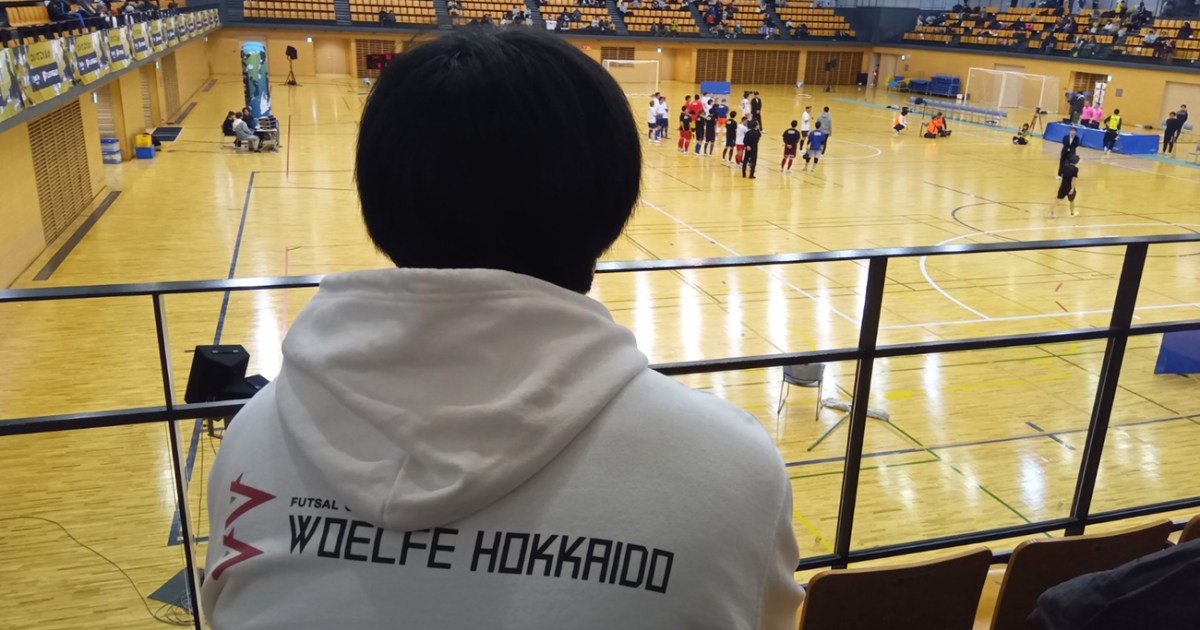
Picture this: a reporter from Rocket News, describing themselves as a total 素人 (shirōto)—a novice or amateur—when it comes to sports, walks into the general seating area of Esforta Arena Hachioji. They compare the experience to popping open a bag of じゃがりこ (jagariko), a beloved Japanese potato stick snack, just casually enjoying the moment. But as soon as they settle in, the electric energy of the crowd hits them like a wave. This kind of relatable storytelling gives you, as a learner, a real sense of how everyday Japanese people connect with emerging trends like futsal. It’s not just about the sport—it’s about the shared excitement, the community, and the little cultural details woven into the experience.
Cultural Context: Sports and Harmony in Japan
While futsal might not yet rival soccer’s global spotlight, its growing popularity in Japan mirrors the country’s deep love for sports and community involvement. Events like the F League Festa embody the Japanese value of 和 (wa), or harmony, uniting players, fans, and even complete beginners in a shared space. Naming a tournament after Daisuke Matsui also reflects Japan’s cultural tendency to honor its icons, a respect you’ll see in everything from sumo wrestling to baseball. For learners, grasping these cultural nuances can turn even a niche sport like futsal into a powerful window into Japanese society. And that casual mention of じゃがりこ (jagariko) in the report? It’s a perfect example of how Japanese storytelling often blends everyday life with larger narratives—a style you’ll notice across Japanese media and conversations.
Learn Japanese from This Article
If you’ve ever wondered how to talk about sports or events in Japanese, this is your chance to pick up some authentic vocabulary and grammar straight from the context of the F League Festa. Let’s break it down with words you’ll hear in real-life situations and patterns that will help you sound more natural.
Key Vocabulary
| Japanese | Romaji | Meaning |
|---|---|---|
| フットサル | futtosaru | futsal (indoor soccer) |
| リーグ | rīgu | league |
| イベント | ibento | event |
| 入場料 | nyūjōryō | entrance fee, admission fee |
| 無料 | muryō | free of charge |
| じゃがりこ | jagariko | Jagariko (a potato stick snack) |
| 素人 | shirōto | amateur, novice |
These words aren’t just useful for talking about futsal—they pop up in everyday conversations about hobbies, events, and even snacks! Imagine using 無料 (muryō) to ask if something is free or describing yourself as a 素人 (shirōto) when trying something new.
Grammar Spotlight: 〜そうな and 〜かと思う
Let’s look at two grammar patterns that can help you express impressions and thoughts, just like a native speaker might when describing an event like this.
〜そうな (seems like, appears to be) This pattern is used to describe something based on hearsay or an impression, often about how something looks or feels. Attach そう to the stem form of a verb or adjective, then add な if it’s followed by a noun or used as a standalone phrase.
- Structure: Verb (stem) + そう / Adjective (stem) + そう
- Examples:
- このイベントは楽しそうだね。(Kono ibento wa tanoshi-sō da ne.) - This event seems fun, doesn’t it?
- フットサルは難しそうに見える。(Futtosaru wa muzukashi-sō ni mieru.) - Futsal looks like it’s difficult.
- Use this when sharing an impression without stating something as a definite fact. It’s perfect for casual conversations about new experiences.
〜かと思う (I think that..., I wonder if...) This pattern expresses a thought or speculation, often with a sense of uncertainty. It’s commonly used with plain verb forms or adjectives.
- Structure: Verb (plain) / Adjective (plain) + かと思う
- Examples:
- 無料なのかと思うと、すごく嬉しい。(Muryō na no ka to omou to, sugoku ureshii.) - Thinking that it’s free makes me really happy.
- 素人でも楽しめるかと思う。(Shirōto demo tanoshimeru ka to omou.) - I think even a novice can enjoy it.
- This is great for sharing personal reflections or wondering aloud, adding a thoughtful tone to your speech.
Using these patterns, you can talk about events like the F League Festa with a natural, conversational flair. Try them out when discussing your own impressions or curiosities!
Continue Learning
Ready to build on what you’ve learned here? Check out these lessons to deepen your understanding of Japanese language and culture:
- Verb Basics: Harnessing the Dictionary Form: Want to understand the verb forms used here? Check out Verb Basics: Harnessing the Dictionary Form.
- Wa vs. Ga: Emphasizing Importance in Sentences: Ready to dive deeper? Our lesson on Wa vs. Ga: Emphasizing Importance in Sentences will help you master these concepts.
- Greetings and Self-Introductions: Authentic Entry Phrases: Want to learn more about culture? Check out our lesson on Greetings and Self-Introductions: Authentic Entry Phrases.
Learning Japanese is a journey, and every event, story, and word brings you closer to understanding Japan as it truly is. Keep exploring with us, and let’s make this adventure rewarding together.
これからもよろしくお願いします。 Kore kara mo yoroshiku onegaishimasu.