
Surprising Friendship: Baseball Star Miura Daisuke on Japanese TV
Have you ever wondered what happens when a baseball legend steps off the field and into the spotlight of a Japanese variety show? On January 20, 2026, something unexpected unfolded on Fuji TV’s popular daytime program, and it’s a perfect chance for you to peek into Japanese media while picking up authentic language and culture. Let’s dive into the story of former DeNA manager 三浦大輔 (Miura Daisuke) and his decade-long friendship with a tough-guy actor, revealed live on air. Along the way, you’ll discover how Japanese celebrities connect in surprising ways—and learn some real Japanese to boot!
An Unlikely Bond Steals the Show
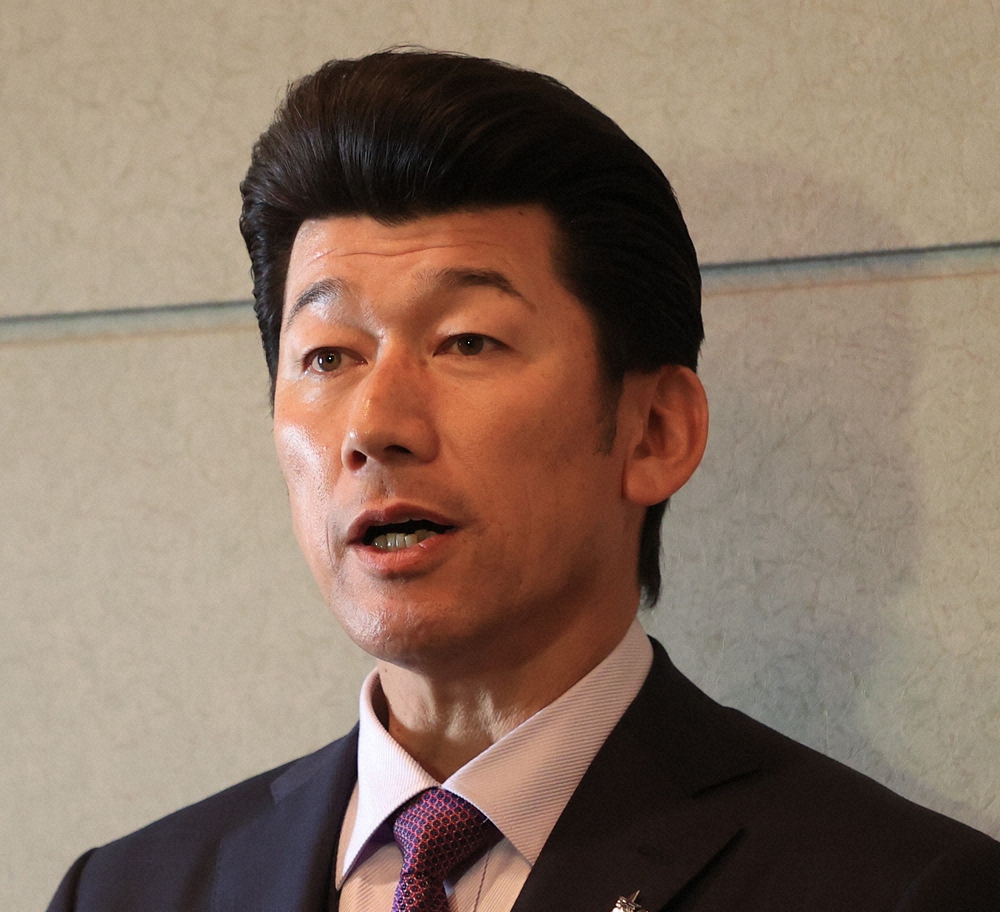
Picture this: a 52-year-old baseball icon, known for his serious demeanor as a team 監督 (kantoku, manager), making his first variety show appearance since his 退任 (tainin, resignation) last season. That’s exactly what happened when Miura appeared on ぽかぽか (Pokapoka), a beloved daytime show, in a 生出演 (namashutsuen, live appearance). But what really grabbed viewers’ attention was his guest partner—actor 小沢仁志 (Ozawa Hitoshi), a 61-year-old veteran often cast as intimidating characters in Japanese films. Turns out, these two have been 仲良し (nakayoshi, close friends) for over 10 years!
Their friendship, as Miura shared, started through a shared talent agency and grew over casual meals during his active playing days. One heartwarming detail? They even play 草野球 (kusayakyū, amateur baseball) together during the off-season. Imagine these larger-than-life figures laughing and bonding on a local field, far from stadiums or movie sets. Miura also mentioned how Ozawa joins his チャリティー (charitī, charity) golf コンペ (konpe, competition), showing how personal ties often blend with public goodwill in Japan.
Cultural Context: Variety Shows and Grass Baseball
If you’re new to Japanese entertainment, variety shows like ぽかぽか (Pokapoka) are a cultural cornerstone. Unlike scripted dramas, these programs feature casual chats, funny games, and personal stories from celebrities. They’re a window into who these figures are beyond their public personas—think of it as Japan’s version of a late-night talk show, but with a uniquely warm, playful vibe. Seeing someone like Miura, a sports legend, step into this world reflects a fascinating trend: in Japan, athletes and actors often cross paths, blurring the lines of fame.
Then there’s 草野球 (kusayakyū), literally “grass baseball.” This isn’t the polished, high-stakes world of professional leagues. Instead, it’s a laid-back pastime where friends, coworkers, or neighbors play for fun on local fields. It’s a slice of everyday Japanese life, showing how sports build community and connection. For language learners, encountering terms like this in real contexts—rather than sterile textbook lists—helps you understand how Japanese mirrors lived experiences.
Learn Japanese from This Article
Ready to turn this heartwarming story into a language lesson? Here, we’ve pulled out key vocabulary and grammar points straight from the context of Miura and Ozawa’s friendship. Let’s break it down the way Japanese kids learn—through real usage, not just memorization.
Key Vocabulary
| Japanese | Romaji | Meaning |
|---|---|---|
| 監督 | kantoku | manager, director (of a sports team) |
| 生出演 | namashutsuen | live appearance (on TV/radio) |
| 仲良し | nakayoshi | close friend, good relationship |
| 草野球 | kusayakyū | amateur baseball, informal baseball |
| 退任 | tainin | resignation, stepping down (from a position) |
| チャリティー | charitī | charity |
| コンペ | konpe | competition (often for golf or other events) |
These words aren’t just random picks—they’re tied to the story. For instance, knowing 仲良し (nakayoshi) helps you describe close relationships in a natural, affectionate way, while 草野球 (kusayakyū) opens a door to casual Japanese hobbies.
Grammar Spotlight: 〜だという (It Is Said That)
Let’s look at a useful grammar pattern often heard in news or storytelling: 〜だという (da to iu), meaning “it is said that” or “reportedly.” It’s a way to relay information you’ve heard or read, adding a layer of indirectness that’s common in polite Japanese speech.
- Structure: [Statement/Plain Form] + だという
- Example 1: 彼らは10年来の仲良しだという。(Karera wa jūnenrai no nakayoshi da to iu.) - It is said that they’ve been close friends for 10 years.
- Example 2: 三浦さんは退任したばかりだという。(Miura-san wa tainin shita bakari da to iu.) - It is said that Miura just stepped down.
- Example 3: 小沢さんは怖い役が多いだという。(Ozawa-san wa kowai yaku ga ōi da to iu.) - It is said that Ozawa often plays scary roles.
Use this when sharing information you’re not stating as your own observation—it’s perfect for discussing news or rumors, much like this TV appearance story.
Grammar Spotlight: 〜ほど (To the Extent Of)
Another handy expression is 〜ほど (hodo), which means “to the extent of” or “so much that.” It’s great for describing degree or intensity, often in comparisons.
- Structure: [Verb/Adjective Plain Form] + ほど
- Example 1: 彼らの友情は驚くほど強い。(Karera no yūjō wa odoroku hodo tsuyoi.) - Their friendship is surprisingly strong.
- Example 2: 草野球が好きすぎるほど遊ぶ。(Kusayakyū ga sukisugiru hodo asobu.) - They play amateur baseball to the extent that they love it too much.
- Example 3: 忙しくて会えないほどではない。(Isogashikute aenai hodo dewa nai.) - They’re not so busy that they can’t meet.
This pattern adds nuance to your descriptions, letting you express just how much something is true—perfect for talking about deep bonds like Miura and Ozawa’s.
Continue Learning
Want to build on what you’ve picked up here? Check out these lessons from “Japanese from Japan” to deepen your skills:
- Wa vs. Ga: Emphasizing Importance in Sentences: Ready to dive deeper? Our lesson on Wa vs. Ga: Emphasizing Importance in Sentences will help you master these concepts.
- Verb Basics: Harnessing the Dictionary Form: Want to understand the verb forms used here? Check out Verb Basics: Harnessing the Dictionary Form.
- Ni, De, and E: Mapping Directions and Locations: Want to learn more about に? Check out our lesson on Ni, De, and E: Mapping Directions and Locations.
Keep exploring, and you’ll be speaking Japanese the way it’s truly used in Japan before you know it!
これからもよろしくお願いします。 Kore kara mo yoroshiku onegaishimasu.