
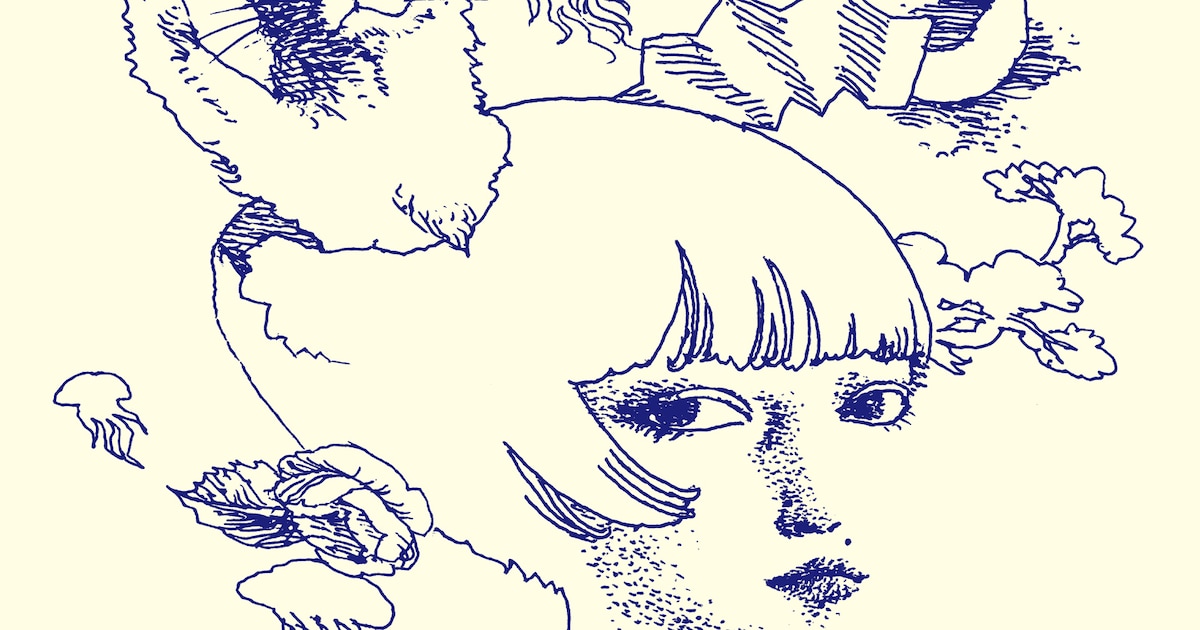
A Cinematic Gem and Its Soulful Theme: Dive into "Kobikichō no Adauchi"
Imagine being swept into the vibrant world of Edo-period Japan, where theater stages rebellion and revenge intertwines with dreams. If you’ve ever wanted to explore Japanese culture through its storytelling and music, here’s your chance. On February 27, 2026, Japanese theaters will premiere 木挽町のあだ討ち (Kobikichō no Adauchi, "The Revenge of Kobikichō"), a film that’s already generating buzz for its powerful theme song, 人生は夢だらけ (Jinsei wa Yume Darake, "Life is Full of Dreams"), by the legendary artist 椎名林檎 (Shiina Ringo). For Japanese learners like you, this isn’t just movie news—it’s a gateway to understanding the artistry and emotion woven into Japan’s language and culture.
A Tale of Revenge and Dreams
The movie 木挽町のあだ討ち (Kobikichō no Adauchi) adapts a historical novel by 永井紗耶子 (Nagai Sayako), a work so compelling it won both the 169th Naoki Prize and the 36th Yamamoto Shūgorō Prize. Set in a traditional 芝居小屋 (shibai-goya, "theater playhouse") during the Edo period, the story uncovers hidden truths behind a revenge plot. You’ll follow a rural samurai, portrayed by 柄本佑 (Emoto Tasuku), as he digs into the mystery alongside a cunning playwright played by 渡辺謙 (Watanabe Ken). The stellar cast also features 長尾謙杜 (Nagao Kento) from the idol group なにわ男子 (Naniwa Danshi) and veteran actor 北村一輝 (Kitamura Kazuki).
What truly sets this film apart is its ending theme, 人生は夢だらけ (Jinsei wa Yume Darake), handpicked by director 源孝志 (Minamoto Takashi). A longtime fan of Shiina Ringo, Minamoto chose this song for its 痛快 (tsūkai, "exhilarating") energy and profound 歌詞 (kashi, "lyrics"). He describes the track as embodying a “bright, bold spirit,” with words that carry raw emotion, perfectly mirroring the film’s narrative of defiance and 誇り (hokori, "pride").
Director’s Vision: Celebrating Free Spirits
For Minamoto, this film is more than a story of 仇討ち (adauchi, "revenge"); it’s a tribute to outsiders who defy norms. He paints the characters—actors and playwrights in Edo’s theater world—as society’s dropouts who create fleeting dreams for their audience with unyielding 反骨 (hankotsu, "rebellious spirit"). These “self-aware free spirits,” as Minamoto calls them, challenge the rigid samurai hierarchy of their time. His hope is that viewers leave the theater with a satisfied grin, feeling uplifted and inspired. That’s exactly why he selected Shiina Ringo’s 主題歌 (shudaika, "theme song")—it captures that liberating, triumphant vibe.
Cultural Context: Edo Theater and the Weight of Revenge
If the setting of 木挽町のあだ討ち feels unfamiliar, let’s dive into its historical roots. During the Edo period (1603–1868), areas like 木挽町 (Kobikichō), now part of modern Tokyo, were bustling theater districts where 歌舞伎 (kabuki) plays flourished. These weren’t just shows; they were spaces to subtly critique societal norms through satire and drama. The film’s characters, often seen as the lowest class, embody a fierce pride despite their marginalization. Understanding this backdrop helps you see why Minamoto views them as revolutionary “free spirits” in a strictly ordered society.
Moreover, the idea of 仇討ち (adauchi, "revenge") holds deep significance. In Edo Japan, avenging a family member’s death was often a legal right under samurai code, but it carried heavy moral and social weight. The film promises to explore these layers, much like Shiina Ringo’s music blends poetic depth with visceral emotion. For you as a learner, this blend of history and art offers a unique lens into how Japanese storytelling connects past and present.
Learn Japanese from This Article
Let’s turn this cinematic excitement into a learning opportunity! Below, you’ll find key vocabulary, grammar patterns, and expressions inspired by the film and its cultural context. These are words and structures you’d encounter in real Japanese media, taught the way native speakers learn them—through context and emotion.
Key Vocabulary
| Japanese | Romaji | Meaning |
|---|---|---|
| 主題歌 | shudaika | theme song |
| 仇討ち | adauchi | revenge, vendetta |
| 芝居小屋 | shibai-goya | theater (traditional playhouse) |
| 痛快 | tsūkai | exhilarating, refreshing |
| 誇り | hokori | pride |
| 反骨 | hankotsu | rebellious spirit, defiance |
| 歌詞 | kashi | lyrics |
Grammar Spotlight
Let’s focus on two useful patterns that can help you discuss topics like this film or explain reasons behind choices, just as the director did when selecting the 主題歌 (shudaika, "theme song").
1. 〜について (ni tsuite) - About, Regarding
This structure is used to talk “about” or “regarding” a topic. It’s perfect for discussions or explanations, like when exploring a film or cultural concept.
- Structure: [Topic] + について + [Explanation/Question]
- Examples:
- 映画について話しましょう。 (Eiga ni tsuite hanashimashō.) - Let’s talk about the movie.
- 仇討ちについて知っていますか? (Adauchi ni tsuite shitteimasu ka?) - Do you know about revenge (vendettas)?
- 木挽町の歴史について調べたいです。 (Kobikichō no rekishi ni tsuite shirabetai desu.) - I want to research about the history of Kobikichō.
Use this when you’re diving into a specific subject or asking for details—it’s a natural way to sound curious or informed in Japanese.
2. 〜た理由 (ta riyū) - The Reason for Doing ~
This pattern explains “the reason” behind an action, often used in interviews or stories to clarify motivations, like why Minamoto chose Shiina Ringo’s song.
- Structure: [Verb in past tense] + 理由 + [Explanation]
- Examples:
- この曲を選んだ理由は何ですか? (Kono kyoku o eranda riyū wa nan desu ka?) - What is the reason you chose this song?
- 映画を作った理由を教えてください。 (Eiga o tsukutta riyū o oshiete kudasai.) - Please tell me the reason you made the movie.
- 彼が怒った理由が分かりません。 (Kare ga okotta riyū ga wakarimasen.) - I don’t understand the reason he got angry.
This is a great way to ask “why” or explain decisions in a structured, polite manner, mirroring how native speakers express reasoning.
Useful Expression
Here’s a phrase inspired by the film’s vibe of exhilaration and pride:
- 痛快だ! (Tsūkai da!) - That’s exhilarating! / How refreshing! Use this when something feels satisfying or thrilling, like watching a bold movie scene or experiencing a personal victory.
Continue Learning
Ready to build on what you’ve learned here? Check out these lessons to deepen your Japanese skills:
- Ni, De, and E: Mapping Directions and Locations: Ready to dive deeper? Our lesson on Ni, De, and E: Mapping Directions and Locations will help you master these concepts.
- Wa vs. Ga: Emphasizing Importance in Sentences: Ready to dive deeper? Our lesson on Wa vs. Ga: Emphasizing Importance in Sentences will help you master these concepts.
- Katakana Essentials: Adapting Global Words to Japanese: Working on your reading skills? Our Katakana Essentials: Adapting Global Words to Japanese lesson is a great next step.
Whether it’s mastering grammar or reading skills for Japanese media, we’ve got you covered. Keep exploring the language as it’s lived and breathed in Japan!
これからもよろしくお願いします。 Kore kara mo yoroshiku onegaishimasu.