
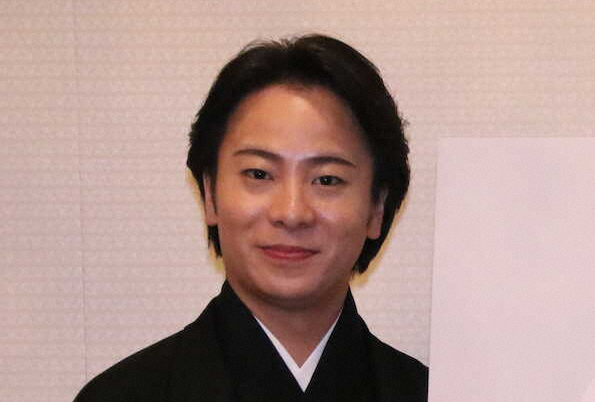
Kabuki Star Arrested: Scandal Shakes Japan's Traditional Theater
Have you ever been captivated by the dramatic world of Japanese theater, with its vibrant costumes and intense performances? If so, a recent scandal in Tokyo might catch your attention. On January 19, 2026, a rising Kabuki actor, known by his stage name 中村鶴松 (Nakamura Tsurumatsu), was arrested for alleged property damage, sending shockwaves through Japan's traditional arts community. For learners like you, this story isn’t just news—it’s a window into the fascinating world of 歌舞伎 (kabuki), the pressures of cultural legacy, and the language that surrounds such events. Let’s dive into the details and uncover what this means, both culturally and linguistically.
The Incident in Tokyo
In the early hours of January 18, 2026, 30-year-old Daiki Shimizu, performing as 中村鶴松 (Nakamura Tsurumatsu), was arrested in Taitō Ward, Tokyo. He’s accused of 建造物損壊 (kenzōbutsu sonkai), which translates to property damage, after allegedly kicking and breaking a restaurant door. Reports suggest he was in a state of 酩酊 (meitei), or intoxication, at the time. Shimizu was caught in the act, leading to a 現行犯逮捕 (genkōhan taiho), meaning an arrest on the spot. However, as a 容疑者 (yōgisha), or suspect, he has reportedly denied the allegations with a 否認 (hinin), claiming he doesn’t recall the incident. His agency is still verifying the facts, leaving the situation unresolved.
Adding to the drama, Shimizu missed a performance of 新春浅草歌舞伎 (Shinshun Asakusa Kabuki), a "New Year Asakusa Kabuki" event, on the same day. For a Kabuki actor, missing such a performance—especially during the culturally significant 新春 (shinshun), or New Year period—is no small matter. This incident has left fans and the Kabuki community reeling.
A Rising Star Under Pressure
What makes this story hit hard is Shimizu’s status in the Kabuki world. Known として (toshite), or in the role of, a member of the prestigious 中村屋 (Nakamuraya) family, he was seen as a beacon of hope for the future of this traditional art. In fact, he was set to undergo a major milestone in February 2026: inheriting the name 初代中村舞鶴 (Shodai Nakamura Maizuru) through a ceremony called 襲名 (shūmei), or name succession. This isn’t just a new title—it’s a pledge to carry forward centuries of tradition. But now, with this arrest, his celebrated moment is overshadowed by controversy.
Cultural Context: The Weight of Kabuki Tradition
If you’ve ever wondered why a single incident can cause such a stir, let’s unpack the cultural significance of 歌舞伎 (kabuki). Originating in the early 17th century, Kabuki is a traditional form of Japanese theater known for its elaborate makeup, dramatic storytelling, and all-male casts. Actors often train from childhood, mastering stylized movements and voice techniques to portray everything from historical heroes to tragic figures. Families like 中村屋 (Nakamuraya) are akin to royalty in this world, passing down stage names through generations via 襲名 (shūmei) ceremonies.
In Japan, Kabuki actors aren’t just entertainers; they’re custodians of national heritage. This means any misstep—especially something as public as an arrest—can be seen as a betrayal of that legacy. It’s also a reminder of the intense societal expectations in Japan, where personal conduct is often scrutinized under a cultural lens. For language learners, stories like this reveal how deeply intertwined behavior and tradition are, offering insights you won’t find in standard textbooks.
Learn Japanese from This Article
Let’s turn this real-world event into a learning opportunity. Below, you’ll find key vocabulary from the news, plus grammar patterns to help you discuss similar topics authentically, just as native speakers would.
Key Vocabulary
| Japanese | Romaji | Meaning |
|---|---|---|
| 歌舞伎 | kabuki | traditional Japanese theater |
| 容疑者 | yōgisha | suspect |
| 建造物損壊 | kenzōbutsu sonkai | property damage (of a building) |
| 現行犯逮捕 | genkōhan taiho | arrest on the spot (caught in the act) |
| 酩酊 | meitei | intoxication, drunkenness |
| 否認 | hinin | denial |
| 新春 | shinshun | New Year, early spring |
Grammar Spotlight: 〜として and 〜といい
To help you talk about roles and reported information—key elements in news stories like this—let’s explore two useful grammar patterns.
〜として (toshite): "As, in the role of"
This pattern is used to describe someone or something in a specific role or capacity. It’s perfect for discussing professions or titles, like a Kabuki actor’s stage name.
- Structure: Noun + として
- Examples:
- 彼は中村鶴松として有名です。 (Kare wa Nakamura Tsurumatsu toshite yūmei desu.) - He is famous as Nakamura Tsurumatsu.
- 彼女は教師として働いています。 (Kanojo wa kyōshi toshite hataraite imasu.) - She works as a teacher.
- When to Use: Use this when emphasizing someone’s role or identity in a specific context. It’s formal enough for news or professional settings.
〜といい (to ii): "It is said that, reportedly"
This pattern conveys information that’s been heard or reported, often used in news to indicate something isn’t confirmed. It’s a way to distance the speaker from the statement.
- Structure: Verb (plain form) / Adjective + といい
- Examples:
- 彼は酩酊していたといいます。 (Kare wa meitei shite ita to iimasu.) - It is said that he was intoxicated.
- 事件を否認しているといいます。 (Jiken o hinin shite iru to iimasu.) - Reportedly, he denies the incident.
- When to Use: Use this in formal or news contexts to report unconfirmed information or rumors, showing you’re relaying what others have said.
Useful Expression
Here’s a phrase you’ll hear in formal apologies or statements, often used by agencies or public figures in scandals:
- 事実を確認中です。 (Jijitsu o kakunin-chū desu.) - "We are currently confirming the facts."
- When to Use: This is a polite, neutral way to acknowledge an issue without admitting fault, common in public statements.
Continue Learning
Ready to build on what you’ve learned here? Check out these lessons to deepen your understanding of Japanese grammar and expressions:
- Wa vs. Ga: Emphasizing Importance in Sentences: To understand more about は, explore our Wa vs. Ga: Emphasizing Importance in Sentences lesson.
- Ni, De, and E: Mapping Directions and Locations: Curious about the Japanese used here? Our Ni, De, and E: Mapping Directions and Locations lesson covers this in depth.
- Greetings and Self-Introductions: Authentic Entry Phrases: Ready to dive deeper? Our lesson on Greetings and Self-Introductions: Authentic Entry Phrases will help you master these concepts.
Learning Japanese through real stories like this one connects you to the language as it’s truly spoken in Japan. Keep exploring, and you’ll uncover even more about the culture behind the words.
これからもよろしくお願いします。 Kore kara mo yoroshiku onegaishimasu.