
Winter Storms Hit Japan During Seijin no Hi: Learn the Language of Weather and Tradition
As winter sweeps across Japan, a powerful cold front is rolling in, bringing heavy snowfall just in time for a very special day. If you’ve ever dreamed of experiencing Japan’s unique holidays firsthand, you’ll want to know about 成人の日 (Seijin no Hi), or Coming of Age Day, happening on January 12. But this year, the weather might just steal the show with its icy grip and snowstorms. Let’s dive into the forecast, the cultural significance of this holiday, and how you can learn authentic Japanese from this real-world moment.
Heavy Snowfall on the Horizon
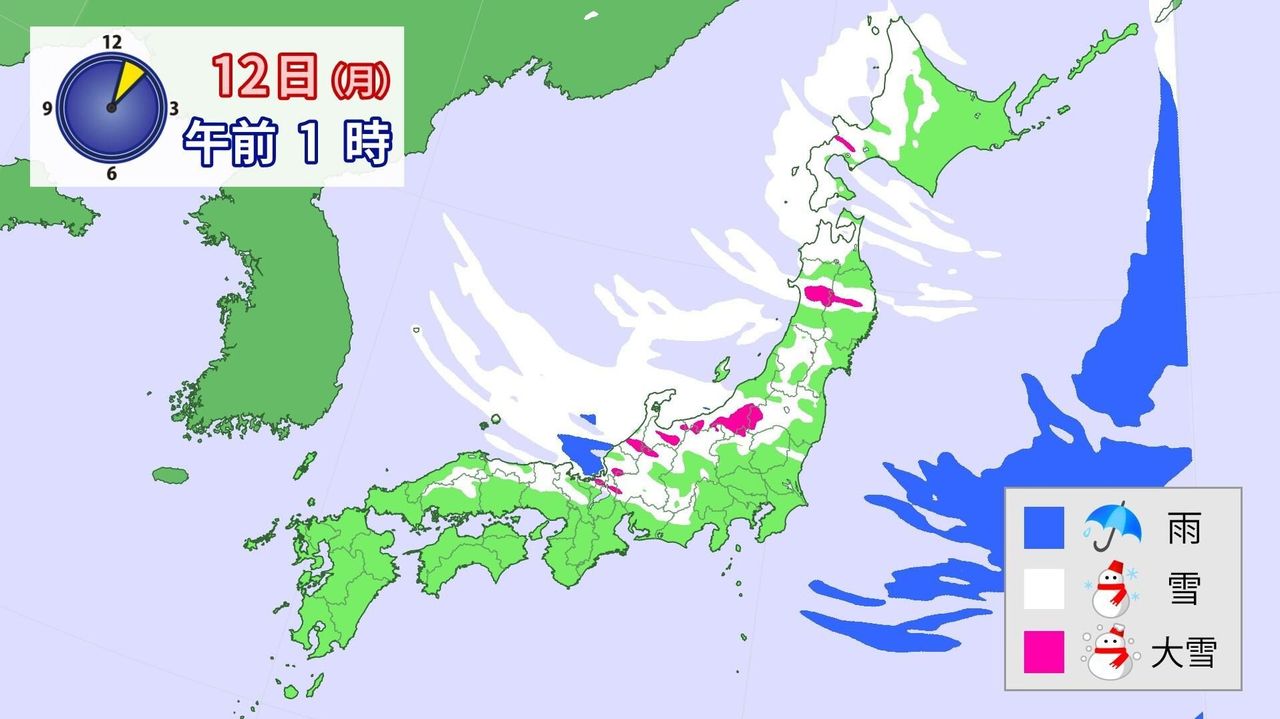
A strong cold air mass, known as 寒気 (kanki), is set to blanket much of Japan in snow, especially along the 日本海側 (Nihonkai-gawa), the Sea of Japan side of the country. Forecasters predict 大雪 (ooyuki)—heavy snowfall—peaking from Sunday night through Monday morning. Some areas could see rapid 積雪 (sekisetsu), or snow accumulation, in just a few hours. Even regions on the Pacific side, like around Nagoya, aren’t safe from snow clouds drifting in, raising concerns about 凍結 (tooketsu)—freezing or icing over—of roads and walkways. With morning temperatures dropping sharply, the chill will linger all day. So, if you’re imagining yourself in Japan right now, you’d better bundle up!
A Cultural Milestone Amid the Cold: Seijin no Hi
Beyond the weather warnings, this time of year holds deep meaning for many Japanese people. 成人の日 (Seijin no Hi), celebrated on the second Monday of January, marks the transition to adulthood for those who turned 20 in the past year. It’s a day of pride and reflection, where young women often wear stunning 振袖 (furisode), a type of long-sleeved kimono, while men opt for formal suits. Ceremonies at local government offices bring communities together, but with the harsh weather this year, especially in snowy regions, some events might be affected. Understanding holidays like this isn’t just about learning dates—it’s about connecting with the values and traditions that shape Japanese life. As you study the language, these cultural insights will make every word feel more alive.
Learn Japanese from This Article
Let’s turn this news into a learning opportunity! Here, you’ll find key vocabulary straight from the forecast and cultural context, plus grammar patterns to help you sound natural when talking about weather or making polite requests. This is how Japanese is taught in Japan—rooted in real-life situations, not just textbook drills.
Essential Vocabulary
| Japanese | Romaji | Meaning |
|---|---|---|
| 成人の日 | Seijin no Hi | Coming of Age Day |
| 日本海側 | Nihonkai-gawa | Sea of Japan side |
| 大雪 | ooyuki | heavy snowfall |
| 積雪 | sekisetsu | snow accumulation |
| 寒気 | kanki | cold air mass |
| 凍結 | tooketsu | freezing, icing over |
| 振袖 | furisode | long-sleeved kimono (worn by young women) |
Grammar Spotlight: 〜そうです (Seems Like) and 〜てください (Please Do)
〜そうです (~sou desu) - Seems like, looks like This pattern is used to describe something that appears to be true based on information or observation. It’s perfect for talking about weather forecasts or impressions.
- Structure: Verb (plain form, drop final る for Group 2 verbs) + そうです / Adjective (drop い for i-adjectives) + そうです
- Examples:
- 大雪が降りそうです。 (Ooyuki ga furisou desu.) - It seems like heavy snow will fall.
- 寒そうです。 (Samasou desu.) - It looks cold.
- 道が凍結しそうです。 (Michi ga tooketsu shisou desu.) - The road seems like it will freeze over.
- When to use: Use this when you’re sharing a forecast or making an educated guess based on what you’ve heard or seen. It’s less certain than a direct statement, which makes it polite and natural in conversations.
〜てください (~te kudasai) - Please do (polite request) This is a polite way to ask someone to do something, often used in formal or respectful situations.
- Structure: Verb (te-form) + ください
- Examples:
- 気をつけてください。 (Ki o tsukete kudasai.) - Please be careful.
- 暖かくしてください。 (Atatakaku shite kudasai.) - Please keep warm.
- 早く来てください。 (Hayaku kite kudasai.) - Please come early.
- When to use: This is great for giving advice or making requests in a kind, respectful way. You’ll hear it often in public announcements or when someone is offering guidance, like during bad weather.
Useful Expression
When talking about weather or holidays in Japan, you might want to express concern or caution. Combine the grammar above with this handy phrase:
- 気をつけてください。 (Ki o tsukete kudasai.) - Please be careful. Whether it’s icy roads or a crowded ceremony, this polite expression shows care and fits perfectly into everyday Japanese conversations.
Continue Learning
Want to build on what you’ve learned here? Check out these lessons to dive deeper into the language used in this article:
- Time and Dates: Tense-Free Expressions: Want to learn more about time? Check out our lesson on Time and Dates: Tense-Free Expressions.
- Ni, De, and E: Mapping Directions and Locations: Curious about the Japanese used here? Our Ni, De, and E: Mapping Directions and Locations lesson covers this in depth.
- O and Wo: Marking Objects Without Prepositions: Curious about the Japanese used here? Our O and Wo: Marking Objects Without Prepositions lesson covers this in depth.
As you continue your journey with Japanese, remember that every news story, holiday, or even weather forecast is a chance to learn the language the way it’s truly spoken in Japan. Keep practicing, and you’ll soon be chatting about 大雪 (ooyuki) or 成人の日 (Seijin no Hi) like a local. これからもよろしくお願いします。 Kore kara mo yoroshiku onegaishimasu.