
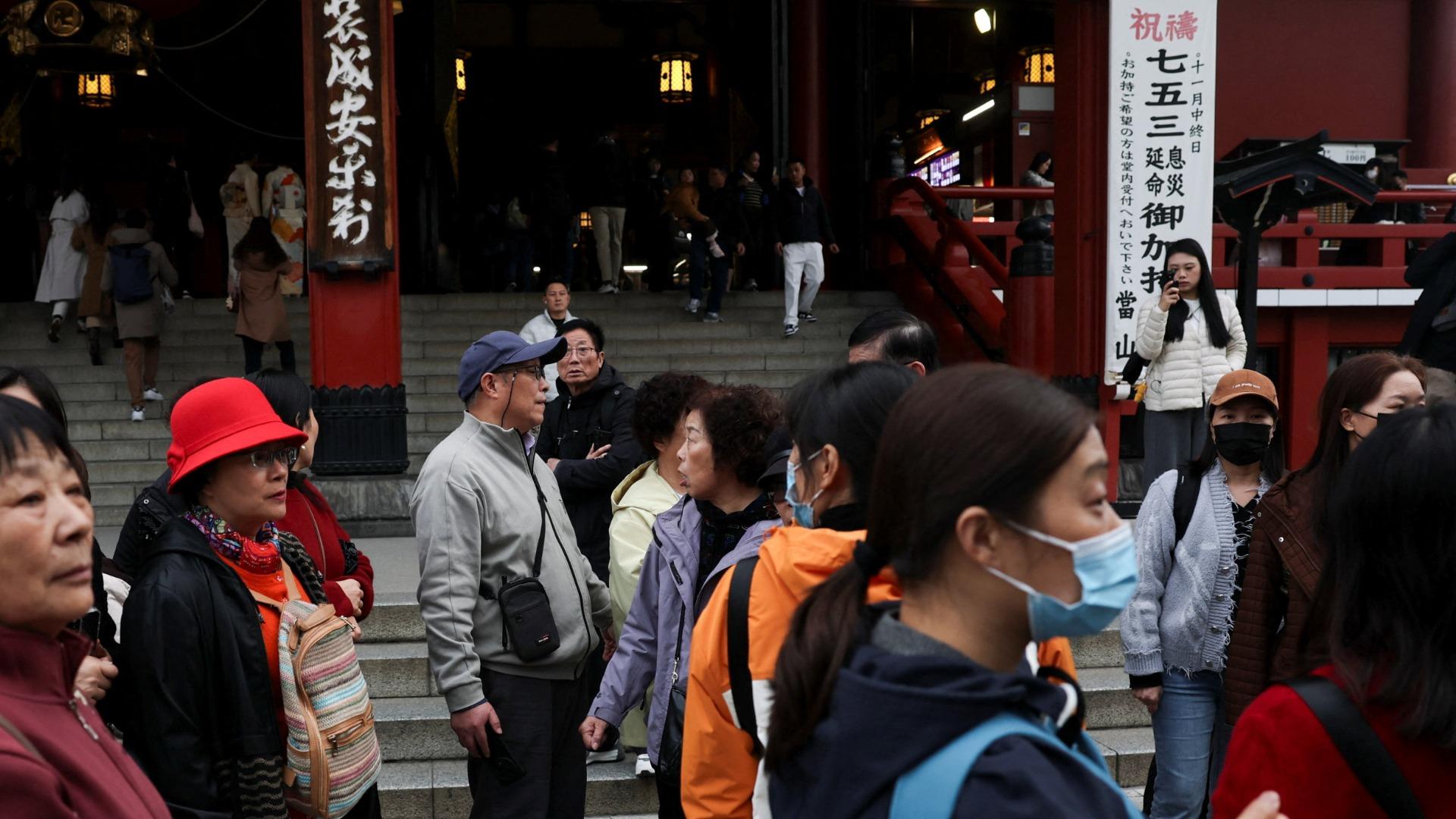
Japan's 2026 Foreigner Policy Debate: A Language Learning Lens
If you've ever wondered how modern Japan navigates its identity in a globalized world, the heated debate over foreign residents and immigration in 2026 offers a fascinating glimpse. Just one week into the new year, headlines are buzzing with stories like "Draft Proposal for Foreigner Policy Review Revealed," while social media bristles with raw, emotional opinions. For learners of Japanese, this isn’t just news—it’s a chance to dive into the authentic language and cultural tensions shaping Japan today. Let’s unpack this story, explore the societal undercurrents, and learn some key 日本語 (nihongo - Japanese language) along the way.
The Core of Japan's Foreigner Policy Debate in 2026
Japan stands at a critical juncture as it debates the future of 外国人 (gaikokujin - foreigners, foreign nationals) in 2026. According to reports from Yomiuri Shimbun Online on January 8, the government is considering a draft proposal that would mandate language and cultural norm training for long-term foreign residents and their families. This push for integration comes under Prime Minister Takaichi’s administration, which has made policies on foreigners a priority. A newly created role, 外国人との秩序ある共生社会推進担当大臣 (gaikokujin to no chitsujo aru kyōsei shakai suishin tantō daijin - Minister for Promoting an Orderly Coexistence Society with Foreigners), underscores this focus.
Yet, public sentiment isn’t entirely welcoming. Issues like unpaid medical bills—reportedly totaling 1.3 billion yen per Nippon TV News on January 4—and perceived rule-breaking by some foreigners have sparked calls for 厳しい (kibishii - strict, severe) regulations. Upcoming events, like the February mayoral election in Kawaguchi, Saitama Prefecture, where integration is a hot topic, and a September shift to a refund-based tax exemption system for tourists, will test these tensions. As a learner, tuning into this 言説 (gensetsu - discourse, statement) reveals how language shapes public opinion in Japan.
A Year of Tension: Control vs. Coexistence
Experts predict 2026 will bring tighter regulations framed as fixes to systemic issues, but there’s a risk. As one commentary warns, an overemphasis on control could deepen social divides, especially if emotional rhetoric alienates communities. The concept of 共生 (kyōsei - coexistence, living together) is often discussed, yet implementing 多文化共生 (tabunka kyōsei - multicultural coexistence) remains challenging. The Kawaguchi election, in a city with significant Chinese and Kurdish populations, will be a litmus test for public sentiment on 在留 (zairyū - residence, stay) policies.
For you as a learner, this debate isn’t just about 政策 (seisaku - policy, government plan); it’s about understanding the emotions and values embedded in Japanese expressions. Let’s dive deeper into the cultural context before picking up some practical language tools from this story.
Cultural Context: Japan’s Historical View on Foreigners
Japan’s relationship with foreigners is deeply rooted in its history as an island nation. For centuries, limited foreign interaction fostered a sense of homogeneity, only shifting significantly during the Meiji era. Today, while Japan relies on foreign workers in fields like caregiving and construction—especially amid an aging population—there’s a persistent tension between welcoming talent and preserving cultural unity. Programs like the one for 技能実習生 (ginō jisshūsei - technical intern trainees) reflect this duality: intended to train foreigners, they’re often criticized for exploitative conditions.
In cities like Kawaguchi, the struggle to define 共生 (kyōsei - coexistence) plays out daily. Understanding these cultural undercurrents is crucial for learners because language in Japan isn’t just about words—it’s about context. When you hear terms like 規範 (kihan - norm, standard, rule) in policy debates, they carry historical and societal weight beyond their dictionary definitions.
Learn Japanese from This Article
Let’s turn this news into a learning opportunity. Below, you’ll find key vocabulary, grammar patterns, and expressions pulled straight from the context of this debate. These aren’t just words or rules—they’re tools to help you engage with real Japanese as it’s used in society today.
Key Vocabulary
| Japanese | Romaji | Meaning |
|---|---|---|
| 外国人 | gaikokujin | foreigner, foreign national |
| 共生 | kyōsei | coexistence, living together |
| 政策 | seisaku | policy, government plan |
| 厳しい | kibishii | strict, severe, harsh |
| 言説 | gensetsu | discourse, statement |
| 在留 | zairyū | residence, stay (in a country) |
| 規範 | kihan | norm, standard, rule |
Grammar Spotlight: 〜をめぐる and 〜かねない
〜をめぐる (o meguru
- concerning, surrounding a topic or issue) This pattern is used to discuss debates, controversies, or issues surrounding a specific topic. It’s common in news and formal discussions.
- Structure: [Topic] + をめぐる + [Noun/Description]
- Examples:
- 外国人政策をめぐる議論が続いている。 (Gaikokujin seisaku o meguru giron ga tsuduite iru.
- The debate surrounding foreigner policy continues.)
- 在留資格をめぐる問題が浮上した。 (Zairyū shikaku o meguru mondai ga fujō shita.
- Issues concerning residence status have emerged.)
- When to Use: Perfect for talking about complex issues or controversies, especially in formal or news contexts like this debate.
〜かねない (kanenai
- might, could, with a negative consequence) This pattern expresses the possibility of an undesirable outcome, often with a sense of warning or concern.
- Structure: [Verb stem] + かねない
- Examples:
- 厳しい政策は社会的な分断を招きかねない。 (Kibishii seisaku wa shakaiteki na bundan o maneki kanenai.
- Strict policies might lead to social division.)
- 感情的な言説は誤解を生みかねない。 (Kanjōteki na gensetsu wa gokai o umi kanenai.
- Emotional discourse could cause misunderstandings.)
- When to Use: Use this to highlight potential risks or negative outcomes, often in serious discussions like policy or societal issues.
Useful Expression
Here’s a phrase you’ll hear in debates or formal discussions about societal norms:
- 規範を守る (kihan o mamoru
- to abide by norms/rules)
This reflects the cultural emphasis on following standards, often brought up in conversations about integration. Example:
- 外国人も日本の規範を守るべきだ。 (Gaikokujin mo Nihon no kihan o mamoru beki da.
- Foreigners should also abide by Japanese norms.)
- 外国人も日本の規範を守るべきだ。 (Gaikokujin mo Nihon no kihan o mamoru beki da.
- to abide by norms/rules)
This reflects the cultural emphasis on following standards, often brought up in conversations about integration. Example:
Continue Learning
Want to build on what you’ve learned here? Check out these lessons to deepen your understanding of Japanese grammar and structure:
- To understand more about に, explore our Ni, De, and E: Mapping Directions and Locations lesson.
- To understand more about は, explore our Wa vs. Ga: Emphasizing Importance in Sentences lesson.
- To understand more about 文, explore our The Three Types of Japanese Sentences lesson.
As you continue your journey with Japanese, remember that stories like this debate over 外国人 (gaikokujin - foreigners) and 共生 (kyōsei - coexistence) are more than just news—they’re a bridge to understanding Japan’s heart and language. Keep exploring, and you’ll find yourself connecting not just with words, but with the culture behind them.
これからもよろしくお願いします。 Kore kara mo yoroshiku onegaishimasu.