
Unpacking Japan’s Cutest Tradition: Akachan Honpo’s 2026 Lucky Bag for New Parents
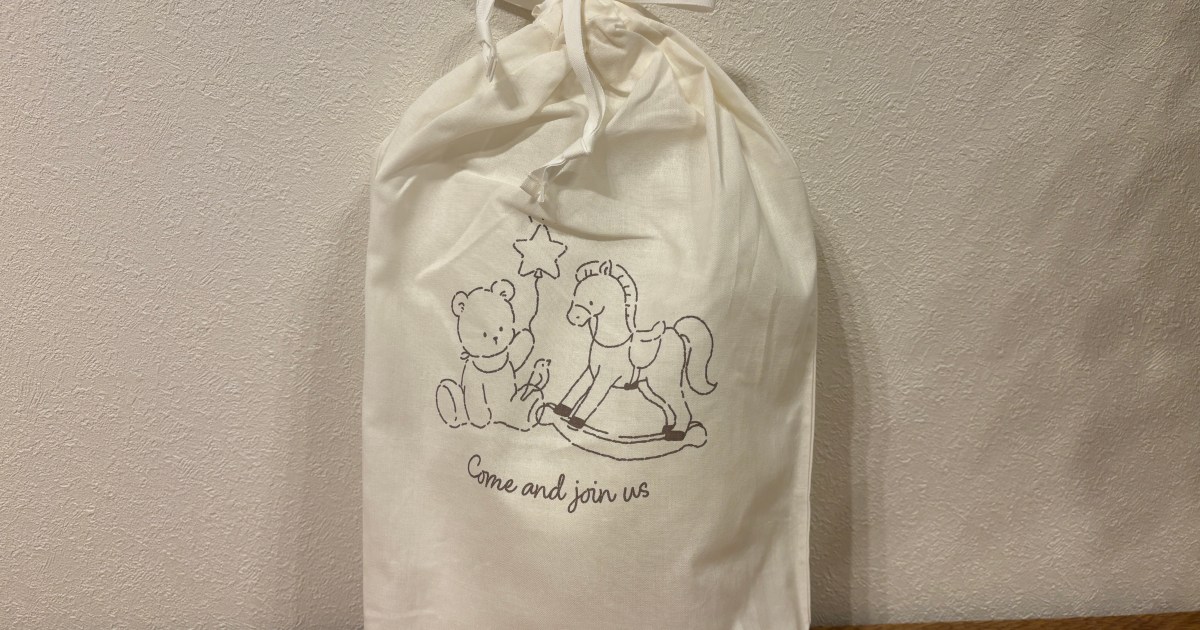
Imagine opening a package so heart-meltingly adorable that you can’t help but gasp—tiny baby clothes, each piece more charming than the last, tucked into a drawstring bag with bear and rocking horse designs. If you’ve ever dreamed of experiencing Japanese culture through everyday moments, this story of a 福袋 (fukubukuro), or “lucky bag,” from Akachan Honpo will pull you right in. As reported by Rocket News on January 4, 2026, this baby goods retailer has released a newborn clothing set that’s not just cute but a lifeline for expecting parents. Let’s dive into this delightful tradition and see what it teaches us about Japanese family life—and how it can help you learn authentic Japanese along the way.
The Magic of Akachan Honpo’s Newborn Lucky Bag
For a 40-year-old first-time parent in their fifth month of 妊娠 (ninshin, pregnancy), getting ready for 出産 (shussan, childbirth) felt like climbing a mountain. The endless list of baby essentials—and the cost—was overwhelming. That’s where Akachan Honpo’s “Newborn Lucky Bag,” or 新生児福袋 (shinseiji fukubukuro), came to the rescue. Priced at just 5,500 yen (around $37 USD), this set—aptly named “If You’re Unsure, Start Here! First-Time Birth Preparation Set”—packs 10 must-have items for a 新生児 (shinseiji, newborn baby). Think short-sleeve undershirts like 肌着 (hadagi), a long-sleeve dress-all, and even a pair of socks with stuffed animal designs.
Available in pink, blue, and ivory, the parent picked ivory since the baby’s gender was still a surprise. When the bag arrived, it was pure joy. The clothes were so 可愛い (kawaii, cute) that they nearly brought tears—especially the bear-themed sock set at the center. The drawstring bag, featuring a bear and rocking horse (a subtle nod to the Year of the Horse), was almost too precious to use. Beyond the charm, the 実用性 (jitsuyousei, practicality) shone through. Buying these items separately would cost far more, and for someone who admits to being a “lazy” shopper, having everything bundled saved time and stress. Plus, it reminded them to do 水通し (mizutooshi, “water passing”), the Japanese practice of pre-washing baby clothes before use.
Balancing Utility with Playful Charm
What makes this 福袋 (fukubukuro) special is how it blends necessity with delight. The set includes practical items like three ガーゼハンカチ (gaaze hankachi, gauze handkerchiefs) for wiping tiny faces, alongside whimsical touches like those stuffed animal socks the parent wouldn’t have chosen on their own (too much laundry hassle!). From short 短肌着 (tan hadagi, undershirts) to a cozy ドレスオール (doresu ooru, dress-all), it covers the basics while sparking joy. Reserved online in November or sold in-store from December 27, these sets are a hot item but might still be available at some locations. They’re even pitched as perfect gifts for new parents.
Cultural Context: The Heart of Fukubukuro Tradition
If you’re new to Japanese customs, 福袋 (fukubukuro), or “lucky bags,” are a cherished New Year tradition. Retailers—from big department stores to niche shops like Akachan Honpo—offer these mystery bags stuffed with discounted goodies. Rooted in the idea of starting the year with good fortune, 福袋 often sell out fast as people hunt for bargains and surprises. For baby goods, this tradition feels extra meaningful: preparing for a new life with a bundle of “luck.” It’s a beautiful example of how Japanese culture weaves celebration into practical moments, especially around milestones like welcoming a child.
This story isn’t just about adorable outfits; it’s a peek into the emotions of parenthood in Japan. Traditions like 福袋 offer both savings and a shared sense of excitement, reflecting a community spirit. For language learners, it’s a chance to see how words and customs connect in real, personal ways.
Learn Japanese from This Article
Let’s unpack some authentic Japanese you can take away from this heartwarming story. Here, you’ll find vocabulary, grammar, and expressions used naturally in Japan—just as native speakers learn them.
Essential Vocabulary
| Japanese | Romaji | Meaning |
|---|---|---|
| 出産 | shussan | childbirth, delivery |
| 妊娠 | ninshin | pregnancy |
| 新生児 | shinseiji | newborn baby |
| 福袋 | fukubukuro | lucky bag (discounted items sold around New Year or special occasions) |
| 肌着 | hadagi | undershirt, undergarment (often for babies) |
| 可愛い | kawaii | cute, adorable |
| 実用性 | jitsuyousei | practicality, usefulness |
Grammar Spotlight: 〜すぎる and 〜ている
〜すぎる (-sugiru): Too much, excessively This pattern attaches to the stem of a verb or adjective to express “too much” or “excessively.” It’s perfect for describing overwhelming feelings—like the cuteness of baby clothes!
- Structure: Verb stem/Adjective stem + すぎる
- Example 1: 可愛すぎる! (Kawaisugiru!) - “Too cute!”
- Example 2: 値段が高すぎる。 (Nedan ga takasugiru.) - “The price is too high.”
- Example 3: 感動しすぎて泣いた。 (Kandou shisugite naita.) - “I was so moved that I cried.” Use this when something exceeds a normal level—whether it’s emotion, price, or even workload.
〜ている (-teiru): Ongoing action or state This form shows a continuing action or state, often used for describing ongoing situations like pregnancy or wearing clothes.
- Structure: Verb stem + ている
- Example 1: 妊娠している。 (Ninshin shiteiru.) - “I am pregnant.”
- Example 2: 服を着ている。 (Fuku o kiteiru.) - “I am wearing clothes.”
- Example 3: 待っている。 (Matteiru.) - “I am waiting.” Use this to talk about something happening now or a current state, common in daily conversation.
Useful Expression
- 可愛すぎて倒れそう! (Kawaisugite taoresou!) - “So cute I could collapse!” This playful phrase captures the overwhelming charm of something—like those tiny baby socks. It combines 可愛すぎる (kawaisugiru, too cute) with 倒れそう (taoresou, looks like I might collapse), a common way to exaggerate emotion in Japanese.
Continue Learning
Want to dive deeper into the nuances of Japanese used in stories like this? Check out these lessons for more:
- Curious about the Japanese used here? Our Wa vs. Ga: Emphasizing Importance in Sentences lesson covers this in depth.
- Want to understand the verb forms used here? Check out Nai Form: Negating Without Auxiliary Words.
- To understand more about に, explore our Ni, De, and E: Mapping Directions and Locations lesson.
Learning Japanese isn’t just about words—it’s about feeling the culture behind them. Stories like Akachan Honpo’s 福袋 show how language lives in real moments. Keep exploring with us, and you’ll discover more of Japan’s heart every day.
これからもよろしくお願いします。 Kore kara mo yoroshiku onegaishimasu.