

Tokyo’s First Winter Day: A Chilly Milestone in the Capital
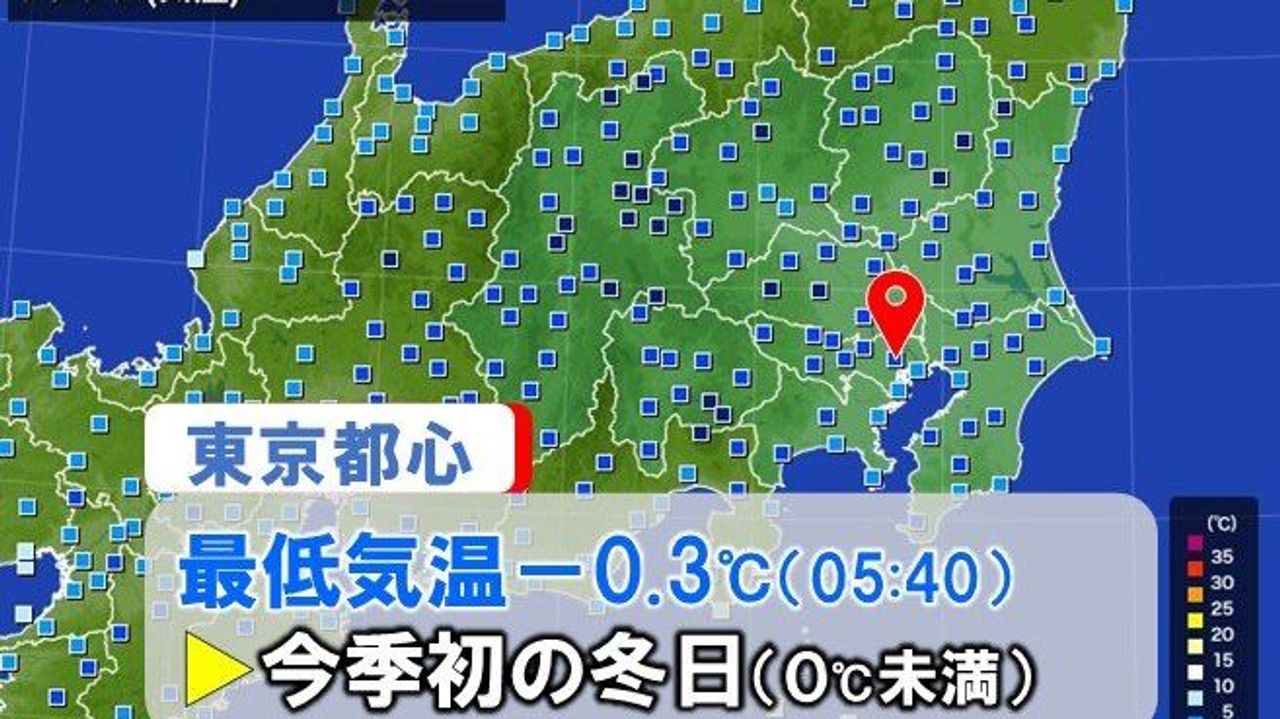
If you’ve ever dreamed of experiencing a crisp Japanese winter, bundled up against the cold in the heart of Tokyo, this news might just pull you a little closer to that vision. On the frosty morning of December 28, at exactly 5:30 AM, central Tokyo recorded a temperature below 0°C, officially marking the season’s first 冬日 (fuyubi), or “winter day.” For Tokyoites, this wasn’t just another chilly morning—it was a rare event, the latest December occurrence of such a day in three years. Let’s dive into what this means, both for the weather and for your journey into authentic Japanese language and culture.
A Frosty First for Tokyo This Season
This milestone of the first 冬日 (fuyubi) in 東京都心 (Tōkyō toshin), or central Tokyo, is more than just a weather update. It’s a small window into life in Japan’s bustling capital as 冬 (fuyu), the winter season, truly sets in. Recorded at or below 0°C in the early hours, this event signals the deepening of winter—a time when the city’s air turns crisp and, on rare occasions, a light dusting of snow transforms the urban landscape. According to meteorological 観測 (kansoku), or observations, this is the latest December day to see the 最低気温 (saitei kion), or minimum temperature, fall below freezing since December 24, 2022. It’s a subtle reminder that even in a city as meticulously tracked as Tokyo, the 気温 (kion), or air temperature, can still surprise us with its unpredictability.
Cultural Context: Winter’s Significance in Japan
In Japan, seasonal shifts like the arrival of a 冬日 (fuyubi) aren’t just weather events—they’re woven into the cultural fabric. The term 冬日 itself, literally meaning “winter day,” is a precise meteorological marker for a day when the temperature dips below 0°C. But beyond the numbers, winter—or 季節 (kisetsu) like 冬 (fuyu)—holds a special place in Japanese life. It’s a time for steaming bowls of おでん (oden) at local convenience stores, cozy gatherings under kotatsu tables, and the serene beauty of illuminated winter gardens. Understanding terms like 冬日 (fuyubi) gives you a glimpse into how Japanese people connect with nature, often with a poetic appreciation for each passing season that you won’t find in a typical textbook.
Learn Japanese from This Article
Ready to turn this frosty news into a learning opportunity? Let’s break down some key vocabulary and grammar patterns straight from this story, taught the way Japanese children learn—through context and real-life usage.
Key Vocabulary
Here are some essential words tied to this wintery update. Memorize these, and you’ll be ready to talk about weather like a local!
| Japanese | Romaji | Meaning |
|---|---|---|
| 冬日 | fuyubi | winter day (temp below 0°C) |
| 気温 | kion | temperature (of the air) |
| 観測 | kansoku | observation, measurement |
| 最低気温 | saitei kion | minimum temperature |
| 東京都心 | Tōkyō toshin | central Tokyo |
| 季節 | kisetsu | season |
| 冬 | fuyu | winter |
Grammar Spotlight: 〜を下回る and 〜ぶり
Let’s spotlight two useful grammar patterns that pop up in weather reports and everyday conversations in Japan. These will help you sound natural when discussing temperatures or milestones.
1. 〜を下回る (~o shimawaru) - “to fall below (a certain level or value)”
- Structure: [Number/Amount] + を下回る
- Meaning: Used to describe something falling below a specific threshold, often for temperature, prices, or quantities.
- Examples:
- 気温が0度を下回った。 (Kion ga reido o shimawatta.) - The temperature fell below 0°C.
- 最低気温がマイナス5度を下回ることもある。 (Saitei kion ga mainasu go-do o shimawaru koto mo aru.) - The minimum temperature sometimes falls below -5°C.
- When to Use: Perfect for weather discussions or any situation where a value drops below a benchmark. You’ll hear this often in news reports like the one about Tokyo’s 冬日 (fuyubi).
2. 〜ぶり (~buri) - “for the first time in (a period of time)”
- Structure: [Time Period] + ぶり
- Meaning: Indicates something happening for the first time after a specified duration.
- Examples:
- 3年ぶりの冬日だ。 (Sannen buri no fuyubi da.) - It’s the first winter day in three years.
- 2週間ぶりに雪が降った。 (Nishūkan buri ni yuki ga futta.) - It snowed for the first time in two weeks.
- When to Use: Use this to talk about events or experiences happening after a long gap. It’s a natural way to express milestones, like Tokyo’s latest 冬日 (fuyubi).
Continue Learning
Want to build on what you’ve learned from this chilly update? Check out these lessons to deepen your understanding of Japanese grammar and expressions used in real-life contexts:
- Wa vs. Ga: Emphasizing Importance in Sentences: Curious about the Japanese used here? Our Wa vs. Ga: Emphasizing Importance in Sentences lesson covers this in depth.
- Time and Dates: Tense-Free Expressions: Ready to dive deeper? Our lesson on Time and Dates: Tense-Free Expressions will help you master these concepts.
- Ni, De, and E: Mapping Directions and Locations: Curious about the Japanese used here? Our Ni, De, and E: Mapping Directions and Locations lesson covers this in depth.
Until Next Time
I hope this peek into Tokyo’s first 冬日 (fuyubi) of the season has warmed up your curiosity about Japanese language and culture, even if the temperatures are dropping! Keep practicing these words and patterns, and you’ll soon be chatting about the 季節 (kisetsu) like a native. これからもよろしくお願いします。 Kore kara mo yoroshiku onegaishimasu.