
Time-Traveling Comedian Nagano Explores Japan's Past and Present
Have you ever wondered what it would be like to step into Japan’s vibrant past and colorful present, all while laughing along with a comedian who’s just as curious as you are? Well, that’s exactly what Japanese comedian 永野 (Nagano) does in a unique TV show that aired on December 28, 2025. This isn’t your typical comedy skit—it’s a journey through time, culture, and self-expression, offering a glimpse into Japan’s iconic districts like Harajuku and Shinjuku’s 歌舞伎町 (Kabukichō). If you’re learning Japanese, this is the kind of authentic content that’ll not only entertain you but also teach you how the language and culture intertwine in real life. Let’s dive into Nagano’s adventure and pick up some useful Japanese along the way!
A Comedian Turned Time Traveler
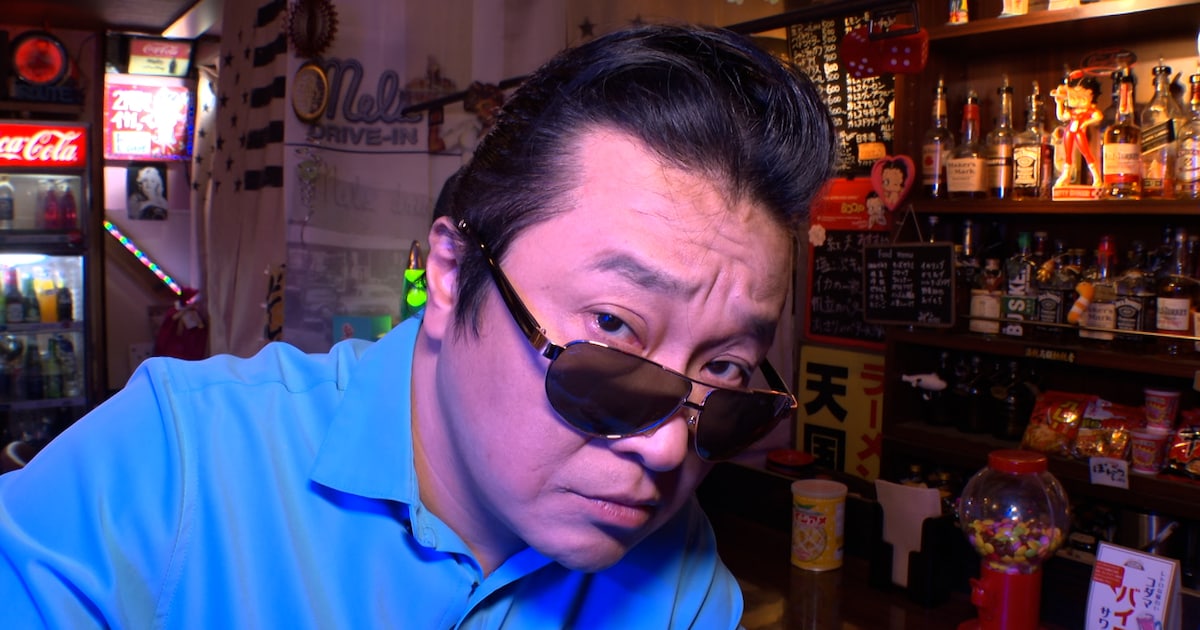
In the TV Asahi program タイムトラベラー永野 (Taimu Toraberā Nagano, Time Traveler Nagano), Nagano becomes a time traveler, hopping between eras to explore how Japanese trends and the people behind them have evolved. This isn’t just about laughs—think of it as an academic variety show with a twist of humor. Using cutting-edge CG and AI, Nagano is immersed in historical footage of iconic spots like Harajuku, where he uncovers subcultures like the ローラー族 (Rōrā-zoku, Roller Tribe). These rockabilly enthusiasts danced to rock ‘n’ roll in Harajuku’s pedestrian paradise during the Shōwa era, and Nagano even joins them, decked out in retro style. Spoiler: his comedy routine doesn’t quite impress the group, but his curiosity wins hearts!
A Bold Transformation in Kabukicho
Nagano’s journey takes a wild turn when he steps into 新宿・歌舞伎町 (Shinjuku Kabukichō), Tokyo’s infamous entertainment district. Known for its nightlife and unique subcultures, Kabukicho is the perfect backdrop for Nagano’s next adventure. He visits a コンセプトカフェ (konseputo kafe, concept cafe) themed around seductive succubi, where he can’t help but 堪能 (tannō, enjoy) the experience, calling it “possibly the most fun job in showbiz.” But the real highlight? His visit to a makeup salon for 女装 (josō, cross-dressing). After a stunning transformation, Nagano looks in the mirror and indulges in some 自画自賛 (jikajisan, self-praise), saying, “I hate to say it myself, but don’t I look beautiful?” Riding this confidence, he attends a cross-dressing event, interviewing participants and connecting with a community that celebrates self-expression.
Reflecting on his journey, Nagano calls it a “human intersection,” touched by the warmth and authenticity of the people he met. It’s a reminder that Japan’s culture is as diverse as its language, full of surprises waiting for you to explore.
Cultural Context: Understanding Kabukicho and Beyond
If you’ve never been to 歌舞伎町 (Kabukichō), picture a “sleepless town” in the heart of Shinjuku, Tokyo, buzzing with nightlife, host and hostess clubs, and quirky subcultures. It’s where traditional and modern Japan collide—think themed cafes like the succubus one Nagano visited, where staff create immersive fantasy worlds for customers. Then there’s 女装 (josō, cross-dressing), a niche but celebrated form of expression in certain circles, often tied to theater, cosplay, or special events. These elements show how Japan embraces individuality, even in its busiest urban centers.
Nagano’s exploration isn’t just entertainment—it’s a window into how Japanese society balances its historical roots with contemporary quirks. For language learners, understanding these cultural nuances is key to grasping why certain words or expressions are used the way they are. It’s not just about what people say, but why they say it.
Learn Japanese from This Article
Ready to pick up some authentic Japanese from Nagano’s adventure? Let’s break down key vocabulary, grammar, and expressions you can start using today. These are straight from the streets and screens of Japan, taught the way native speakers learn—through context and real-life usage.
Key Vocabulary
| Japanese | Romaji | Meaning |
|---|---|---|
| 女装 | josō | cross-dressing, dressing as a woman |
| 堪能 | tannō | enjoyment, proficiency |
| 自画自賛 | jikajisan | self-praise, singing one's own praises |
| コンセプトカフェ | konseputo kafe | concept cafe, themed cafe |
| 歌舞伎町 | Kabukichō | Kabukicho, entertainment district in Shinjuku, Tokyo |
| ローラー族 | Rōrā-zoku | Roller Tribe, a rockabilly subculture |
Grammar Spotlight
Let’s zoom in on two useful grammar patterns that pop up in everyday Japanese, including in contexts like Nagano’s reflections on his journey.
〜てしまう (-te shimau): To end up doing something (often with regret or unintended result) This pattern combines the te-form of a verb with しまう (shimau) to express something that happened unintentionally or with a sense of regret.
- 鏡を見て、笑ってしまった。 (Kagami o mite, waratte shimatta.) - I looked in the mirror and ended up laughing.
- 時間を忘れて、話し込んでしまった。 (Jikan o wasurete, hanashikonde shimatta.) - I forgot the time and ended up talking for too long.
- やりすぎて、疲れてしまった。 (Yarisugite, tsukarete shimatta.) - I overdid it and ended up exhausted. Use this when you want to express an unintended outcome, often with a casual or slightly regretful tone. It’s perfect for storytelling or reflecting on experiences like Nagano’s.
〜かもしれない (-kamoshirenai): Might, possibly This pattern is used to express uncertainty or possibility, often attached to a verb or adjective in its plain form.
- これは面白いかもしれない。 (Kore wa omoshiroi kamoshirenai.) - This might be interesting.
- 彼は来るかもしれない。 (Kare wa kuru kamoshirenai.) - He might come.
- 明日、雨が降るかもしれない。 (Ashita, ame ga furu kamoshirenai.) - It might rain tomorrow. Use this to soften statements or speculate about something, much like Nagano might have wondered about his experiences before diving in.
Useful Expression
Here’s a phrase inspired by Nagano’s self-reflection that you can use in casual settings:
- 自分でも言うのもなんだけど… (Jibun demo iu no mo nan dakedo…) - I hate to say it myself, but… This is a humble yet playful way to praise yourself or make a bold statement, just like Nagano did after his transformation. It shows a bit of self-awareness while still being confident.
Continue Learning
Want to dive deeper into the Japanese language and culture behind Nagano’s journey? Check out these lessons from “Japanese from Japan” to build on what you’ve learned:
- Ni, De, and E: Mapping Directions and Locations: Curious about the Japanese used here? Our Ni, De, and E: Mapping Directions and Locations lesson covers this in depth.
- Wa vs. Ga: Emphasizing Importance in Sentences: Curious about the Japanese used here? Our Wa vs. Ga: Emphasizing Importance in Sentences lesson covers this in depth.
- Greetings and Self-Introductions: Authentic Entry Phrases: To understand more about culture, explore our Greetings and Self-Introductions: Authentic Entry Phrases lesson.
Learning Japanese isn’t just about memorizing words—it’s about connecting with the people and stories behind them, just like Nagano did. Keep exploring, and you’ll find the language opening doors to incredible experiences. これからもよろしくお願いします。 Kore kara mo yoroshiku onegaishimasu.