
Kabuki-za Unveils Stunning Visuals for 2026 New Year Performance
If you’ve ever been captivated by the vibrant world of Japanese theater, you’re in for a treat! Tokyo’s iconic Kabuki-za theater has just revealed breathtaking promotional images for the 壽 初春大歌舞伎 (Kotobuki Hatsuharu Dai Kabuki), a grand New Year Kabuki performance set to kick off 2026 with drama, history, and artistry. Running from January 2 to 25, this event is more than just a show—it’s a cultural celebration that offers a perfect window into authentic Japanese storytelling. Let’s dive into the news, explore the cultural depth of Kabuki, and pick up some useful Japanese along the way!
A Grand Start to the New Year with Kabuki
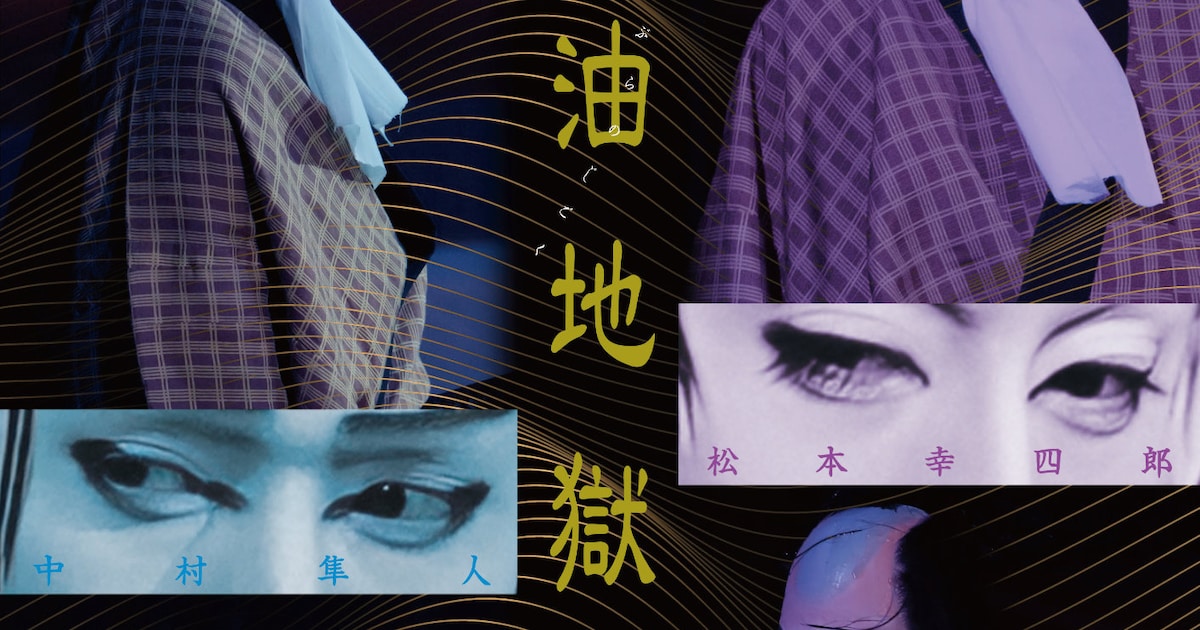
The 壽 初春大歌舞伎 (Kotobuki Hatsuharu Dai Kabuki), which translates to “Celebratory New Year Grand Kabuki,” is an annual highlight at Tokyo’s Kabuki-za theater. On December 27, 2025, three striking ビジュアル (bijuaru, visuals or promotional images) were unveiled for the upcoming 公演 (kouen, performance). These images showcase the star-studded lineup for both the 昼の部 (hiru no bu, daytime program) and 夜の部 (yoru no bu, evening program), giving us a glimpse of the emotional intensity and visual splendor awaiting audiences.
In the daytime show, Nakamura Kankurō takes on the role of Saitō Sanemori in 実盛物語 (Sanemori Monogatari), a historical drama about a warrior’s conflicting loyalties during the Genpei War. The visual captures Kankurō in a 凛々しい (ririshii, gallant or commanding) pose, radiating the tragic depth of the character. For the evening program, Matsumoto Kōshirō and Nakamura Hayato alternate as Kawachiya Yohee in 女殺油地獄 (Onnagoroshi Abura no Jigoku), a dark tale of desperation penned by the legendary Chikamatsu Monzaemon. Meanwhile, Nakamura Shichinosuke stars as the fierce female warrior Tomoe Gozen in 女暫 (Onna Shibaraku), striking a powerful stance on the iconic 花道 (hanamichi, flower path or walkway through the audience).
Cultural Context: The Heart of Kabuki
Kabuki isn’t just theater—it’s a living tradition recognized as UNESCO Intangible Cultural Heritage. Born in the early 17th century during the Edo period, 歌舞伎 (kabuki) blends elaborate costumes, stylized movements, and dramatic narratives to tell stories of love, honor, and tragedy. The 壽 初春大歌舞伎 (Kotobuki Hatsuharu Dai Kabuki) holds special meaning as a New Year event, embodying renewal and celebration. The word 壽 (Kotobuki) itself means “longevity” or “congratulations,” setting an auspicious tone for the year ahead.
One fascinating element you’ll notice in Kabuki is the 花道 (hanamichi), a walkway that cuts through the audience, allowing actors to make dramatic entrances and exits while connecting directly with viewers. Roles like Tomoe Gozen also showcase the art of 女形 (onnagata), where male actors masterfully portray female characters with incredible grace and strength. For Japanese learners, engaging with Kabuki offers a unique chance to explore historical language, aesthetics, and narratives rooted in Japan’s samurai past and Edo-period life.
Learn Japanese from This Article
Ready to pick up some authentic Japanese inspired by this cultural gem? Let’s break down key vocabulary and grammar points that will help you talk about Kabuki and performances like a native speaker.
Essential Vocabulary
| Japanese | Romaji | Meaning |
|---|---|---|
| 歌舞伎 | kabuki | traditional Japanese theater |
| ビジュアル | bijuaru | visual, promotional image |
| 公演 | kouen | performance, show |
| 昼の部 | hiru no bu | daytime program/show |
| 夜の部 | yoru no bu | evening program/show |
| 花道 | hanamichi | walkway through the audience (in Kabuki) |
| 凛々しい | ririshii | gallant, dignified, commanding |
Grammar Spotlight: 〜より (from, out of) and 〜を勤める (to perform a role)
〜より (yori): This particle indicates a source or origin, often used for time, place, or abstract concepts. It’s a bit more formal than other options like から (kara), and you’ll often see it in written or historical contexts—perfect for discussing Kabuki stories!
- Structure: Noun + より
- Example 1: 源平合戦より多くの物語が生まれた。 (Genpei Kassen yori ooku no monogatari ga umareta.) - Many stories were born from the Genpei War.
- Example 2: 江戸時代より歌舞伎が始まった。 (Edo jidai yori kabuki ga hajimatta.) - Kabuki began from the Edo period.
- When to Use: Use より when talking about origins or sources in a formal or historical tone, especially in written Japanese or storytelling.
〜を勤める (o tsutomeru): This expression means “to perform (a role)” or “to take on (a duty).” It’s commonly used in traditional arts like Kabuki to describe an actor’s role.
- Structure: Role/Position + を + 勤める
- Example 1: 中村勘九郎が斎藤実盛を勤める。 (Nakamura Kankurō ga Saitō Sanemori o tsutomeru.) - Nakamura Kankurō performs the role of Saitō Sanemori.
- Example 2: この役を勤めるのは初めてです。 (Kono yaku o tsutomeru no wa hajimete desu.) - This is my first time performing this role.
- When to Use: Use this when discussing someone taking on a specific role or duty, especially in formal or traditional contexts.
Useful Expression
Here’s a phrase you might hear around Kabuki or other cultural events to express admiration for a performance or appearance:
- 凛々しい姿ですね。 (Ririshii sugata desu ne.) - What a gallant/dignified appearance!
Continue Learning
Want to deepen your understanding of Japanese language and culture? Check out these lessons to build on what you’ve learned today:
- Wa vs. Ga: Emphasizing Importance in Sentences: Ready to dive deeper? Our lesson on Wa vs. Ga: Emphasizing Importance in Sentences will help you master these concepts.
- Ni, De, and E: Mapping Directions and Locations: Curious about the Japanese used here? Our Ni, De, and E: Mapping Directions and Locations lesson covers this in depth.
- Greetings and Self-Introductions: Authentic Entry Phrases: Ready to dive deeper? Our lesson on Greetings and Self-Introductions: Authentic Entry Phrases will help you master these concepts.
Closing
I hope this glimpse into the world of Kabuki has inspired you to explore more about Japanese culture and language. Whether you’re dreaming of attending a 公演 (kouen) at Kabuki-za or just practicing new words like 凛々しい (ririshii), every step brings you closer to understanding Japan authentically. これからもよろしくお願いします。(Kore kara mo yoroshiku onegaishimasu.)