

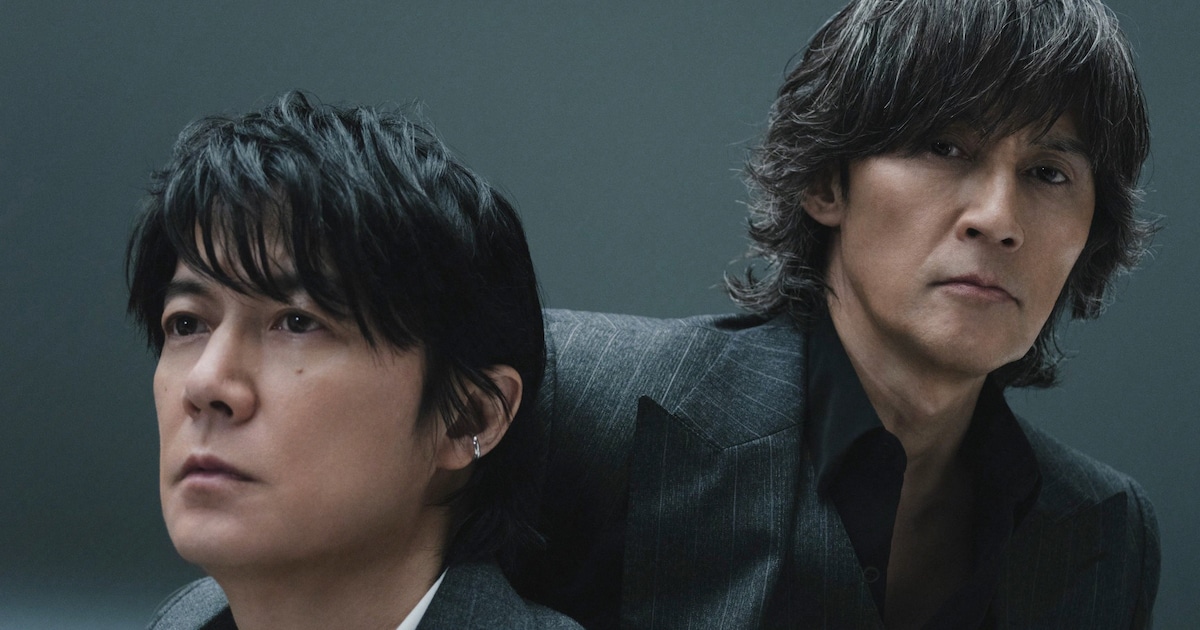
Fukuyama Masaharu & B'z Inaba Koshi Unite at NHK Kohaku 2025
Imagine ringing in the New Year with two of Japan’s biggest music legends sharing the stage for a once-in-a-lifetime performance. If you’ve ever dreamed of diving deep into Japanese pop culture while learning the language authentically, this is your moment. On December 31, 2025, 福山雅治 (Fukuyama Masaharu) and 稲葉浩志 (Inaba Koshi) from the iconic rock band B'z will perform together at the 76th NHK紅白歌合戦 (NHK Kohaku Uta Gassen), Japan’s legendary year-end music show. Their special コラボ (korabo, collaboration) is more than just a concert—it’s a window into the heart of Japanese music, respect, and expression. Let’s explore this historic event and pick up some authentic Japanese along the way!
A Historic Musical Collaboration
The news of this joint performance has electrified fans across Japan. 福山雅治 (Fukuyama Masaharu), a beloved singer, actor, and producer, teams up with 稲葉浩志 (Inaba Koshi), the dynamic vocalist of B'z, for a special segment at the NHK紅白歌合戦 (NHK Kohaku Uta Gassen). Together, they’ll deliver a 披露 (hirou, presentation or performance) of their song 木星 feat. 稲葉浩志 (Kisei feat. Inaba Koshi), released on December 24, 2025. Fukuyama composed, arranged, and produced this track, often described as the 最強 (saikyou, ultimate or strongest) love song, while Inaba penned its emotional lyrics. This song also serves as the 主題歌 (shudaika, theme song) for Fukuyama’s latest film, 映画ラストマン -FIRST LOVE- (Eiga Last Man -First Love-).
What makes this フィーチャリング (fiicharingu, featuring) so extraordinary? Fukuyama has publicly shared his admiration for Inaba, calling him the ultimate rock vocalist. Inaba, in return, expressed his honor in co-creating and performing at such a prestigious event. Their mutual respect and humility, even as superstars, reflect a core Japanese value of honoring others—a theme you’ll often notice in the language and culture as you learn.
Icons of Japanese Music
If these names are new to you, let’s get to know them. 福山雅治 (Fukuyama Masaharu), born in 1969 in Nagasaki, debuted in 1990 and became a household name with his smooth voice and charisma. With hits like 桜坂 (Sakurazaka), which sold over two million copies, he’s not just a musician but also a renowned actor in projects like the ガリレオ (Galileo) series. His career, spanning over 30 years, includes memorable ライブ (raibu, live performances) and hometown concerts in Nagasaki.
Meanwhile, 稲葉浩志 (Inaba Koshi) fronts B'z, a rock duo formed in 1988 with guitarist 松本孝弘 (Matsumoto Takahiro). B'z holds records for the most number-one singles and total sales in Japanese music history. Songs like 太陽のKomachi Angel (Taiyo no Komachi Angel) have defined J-rock, and their electrifying ライブ (raibu, live shows) pack arenas. Together, Fukuyama and Inaba are titans of Japanese pop and rock, making their duet at 紅白歌合戦 (Kohaku Uta Gassen) a must-see event.
Cultural Context: Why Kohaku Uta Gassen Matters
If you’re just starting to explore Japanese traditions, the NHK紅白歌合戦 (NHK Kohaku Uta Gassen) might seem like just another music show, but it’s a cultural cornerstone. Broadcast every December 31st since 1951, this program is a national ritual, watched by millions as a way to reflect on the year. The name 紅白 (Kohaku) means “red and white,” representing the two competing teams—red for female artists and white for male artists—who showcase their talents through song. It’s a blend of celebration, nostalgia, and unity.
For artists, performing on 紅白 is a badge of honor, and a special コラボ (korabo, collaboration) like Fukuyama and Inaba’s is a meticulously planned highlight. The show often mixes modern hits with traditional elements, reflecting Japan’s balance of past and present—a concept you’ll encounter in everything from language to daily life. Understanding 紅白 helps you grasp how Japanese people mark time and celebrate shared experiences.
Learn Japanese from This Article
Ready to learn some Japanese inspired by this epic collaboration? Let’s break down key vocabulary and grammar patterns that will help you talk about music, events, and more, just like native speakers do in Japan.
Key Vocabulary
Here are some essential words tied to this event that you’ll hear in conversations about music and entertainment:
| Japanese | Romaji | Meaning |
|---|---|---|
| コラボ | korabo | collaboration |
| 披露 | hirou | presentation, performance, unveiling |
| 最強 | saikyou | strongest, ultimate |
| 紅白歌合戦 | kouhaku uta gassen | Red and White Song Battle (NHK show) |
| フィーチャリング | fiicharingu | featuring (as in a guest artist) |
| 主題歌 | shudaika | theme song |
| ライブ | raibu | live (concert or performance) |
Grammar Spotlight: 〜として (as, in the role of)
Let’s look at a useful grammar pattern, 〜として (toshite), which means “as” or “in the role of.” It’s often used to describe someone’s position or role in a specific context, which fits perfectly when talking about artists and their contributions.
- Structure: Noun + として
- Usage: Highlights a specific role or identity in a situation.
Examples:
- 福山雅治は俳優として有名です。 (Fukuyama Masaharu wa haiyuu toshite yuumei desu.) Fukuyama Masaharu is famous as an actor.
- 稲葉浩志はB'zのボーカリストとして知られています。 (Inaba Koshi wa B'z no bokarisuto toshite shirareteimasu.) Inaba Koshi is known as the vocalist of B'z.
- 私は学生としてこのイベントに参加します。 (Watashi wa gakusei toshite kono ibento ni sanka shimasu.) I will participate in this event as a student.
This pattern is incredibly versatile for formal or professional contexts, helping you describe roles with precision.
Grammar Spotlight: 〜ことについて (about, regarding)
Another handy expression is 〜ことについて (koto ni tsuite), meaning “about” or “regarding” a specific matter. It’s great for discussing topics like music or events in a detailed way.
- Structure: Noun + ことについて
- Usage: Used to specify the topic of discussion, often in formal or explanatory contexts.
Examples:
- 紅白歌合戦のことについて話しましょう。 (Kohaku Uta Gassen no koto ni tsuite hanashimashou.) Let’s talk about the Kohaku Uta Gassen.
- このコラボのことについてもっと知りたいです。 (Kono korabo no koto ni tsuite motto shiritai desu.) I want to know more about this collaboration.
- 映画の主題歌のことについて教えてください。 (Eiga no shudaika no koto ni tsuite oshiete kudasai.) Please tell me about the movie’s theme song.
This structure helps you sound natural when asking questions or diving deeper into a subject.
Continue Learning
Want to build on what you’ve learned here? Check out these lessons from “Japanese from Japan” to deepen your understanding of key concepts:
- Curious about the Japanese used here? Our Wa vs. Ga: Emphasizing Importance in Sentences lesson covers this in depth.
- To understand more about に, explore our Ni, De, and E: Mapping Directions and Locations lesson.
- To understand more about numbers, explore our Numbers and Counters: Contextual Counting Systems lesson.
Closing
I hope this glimpse into the world of Japanese music and culture has inspired you to keep learning. Whether you’re tuning into NHK紅白歌合戦 or practicing your new vocabulary, remember that every step brings you closer to understanding Japan authentically. これからもよろしくお願いします。 (Kore kara mo yoroshiku onegaishimasu.)