
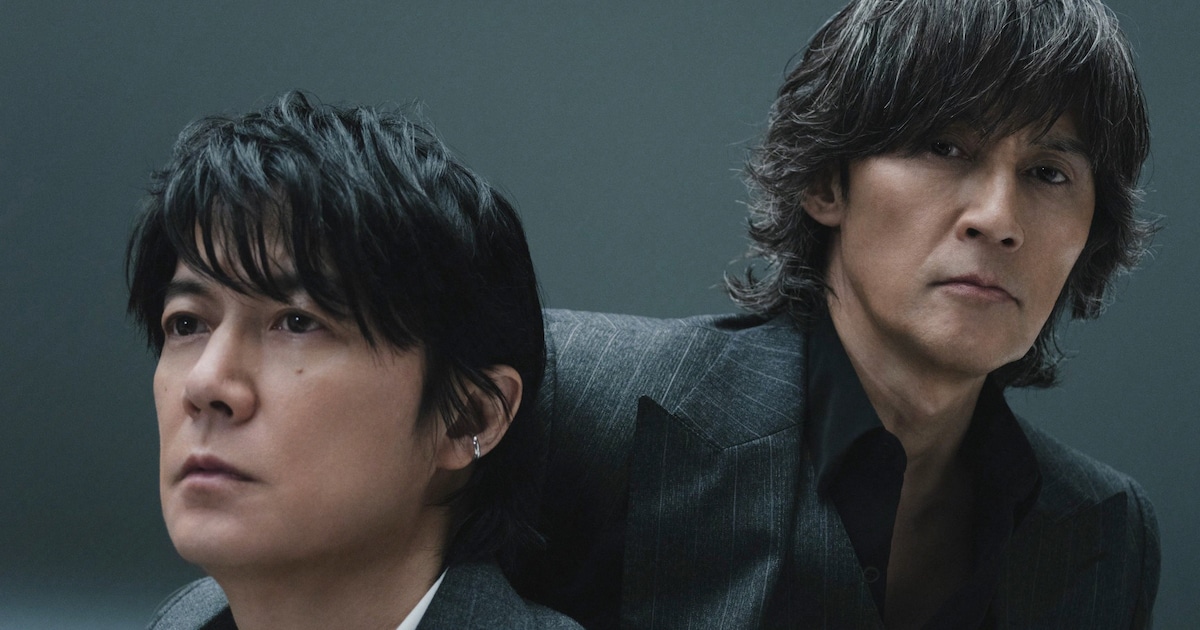
Fukuyama Masaharu and B'z Inaba Koshi Unite at NHK Kōhaku 2025
If you’ve ever dreamed of diving into the heart of Japanese pop culture, mark your calendar for December 31, 2025. Two giants of Japanese music, 福山雅治 (Fukuyama Masaharu) and 稲葉浩志 (Inaba Koshi) from the iconic rock band B'z, are joining forces for a historic performance at the 第76回NHK紅白歌合戦 (Dai 76-kai NHK Kōhaku Uta Gassen), Japan’s legendary year-end music extravaganza. This isn’t just a concert—it’s a cultural event that offers a perfect window into authentic Japanese entertainment and language. Ready to learn while enjoying the buzz of this epic コラボ (korabo, collaboration)? Let’s dive in!
A Historic Musical Moment
This rare duet will take place during a special segment of the 76th 紅白歌合戦 (Kōhaku Uta Gassen), broadcast on NHK channels on New Year’s Eve. 福山雅治 (Fukuyama Masaharu), a beloved singer, actor, and producer, teams up with 稲葉浩志 (Inaba Koshi), the powerhouse voice behind B'z, one of Japan’s top-selling rock bands of all time. Together, they’ll perform 木星 feat. 稲葉浩志 (Jupiter feat. Inaba Koshi), a track released on December 24, 2025, hailed as the “ultimate love song.” Fukuyama composed and produced the song, while Inaba penned the heartfelt lyrics. Adding to the excitement, this piece also serves as the 主題歌 (shudaika, theme song) for Fukuyama’s starring film, 映画ラストマン -FIRST LOVE- (Eiga Last Man -First Love-).
Their mutual admiration is evident. Fukuyama called Inaba the 最強 (saikyō, strongest or ultimate) rock vocalist and expressed gratitude for a career that allows such a moment. 一方で (ippō de, on the other hand), Inaba shared his honor in co-creating and performing this song at such a prestigious event, vowing to sing with all his soul during this 披露 (hirō, presentation or performance). Fans are already buzzing about this フィーチャリング (fīcharingu, featuring) collaboration, especially since the duo has connected before through heartfelt talks on Inaba’s website and Fukuyama’s YouTube series. But seeing them unite musically on the 紅白 (Kōhaku) stage? That’s a true ブレイク (bureiku, breakthrough) moment!
Cultural Context: Why Kōhaku Uta Gassen Matters
If you’re new to Japanese traditions, let me introduce you to 紅白歌合戦 (Kōhaku Uta Gassen), which translates to “Red and White Song Battle.” Since 1951, this New Year’s Eve broadcast has been a national institution, bringing families together to celebrate the year’s end through music. Top artists are split into red (female-led) and white (male-led) teams, competing with performances judged by viewers and a panel. It’s more than a show; it’s a cultural touchstone, often defining careers and creating shared memories across generations.
The special planning segment featuring Fukuyama and Inaba shows how 紅白 (Kōhaku) goes beyond typical concerts to offer unique moments of unity and celebration. For learners like you, tuning in (even just to clips online) reveals how Japanese media honors its stars and reflects cultural values like harmony and collective joy. It’s a chance to hear formal event language, emotional song lyrics, and the passionate reactions of fans—real Japanese, straight from the source.
Learn Japanese from This Article
What better way to immerse yourself in this event than by picking up some key language? Whether you’re a beginner or brushing up, here are some useful words and grammar points inspired by this historic collaboration. Let’s break it down the way Japanese kids learn—naturally and with context.
Key Vocabulary
| Japanese | Romaji | Meaning |
|---|---|---|
| コラボ | korabo | collaboration |
| 披露 | hirō | presentation, performance (of a skill/art) |
| 最強 | saikyō | strongest, ultimate |
| 紅白歌合戦 | kōhaku uta gassen | Kōhaku Uta Gassen (NHK's year-end music show) |
| フィーチャリング | fīcharingu | featuring (as in a guest artist on a song) |
| 主題歌 | shudaika | theme song |
| ブレイク | bureiku | break (as in becoming popular, a breakthrough) |
Grammar Spotlight: 〜として (as, in the role of)
Let’s look at a grammar point that helps you describe roles or identities, often used in formal or professional contexts like entertainment news.
- Pattern: Noun + として (expresses “as” or “in the role of”)
- Usage: Highlights someone’s position or function in a specific situation.
Examples:
- 福山雅治は俳優として有名です。 (Fukuyama Masaharu wa haiyū toshite yūmei desu.) Fukuyama Masaharu is famous as an actor.
- 稲葉浩志はB'zのボーカリストとして知られています。 (Inaba Koshi wa B'z no bōkarisuto toshite shirareteimasu.) Inaba Koshi is known as the vocalist of B'z.
- この曲は映画の主題歌として使われます。 (Kono kyoku wa eiga no shudaika toshite tsukawaremasu.) This song is used as the theme song for the movie.
You’ll hear 〜として (toshite) a lot in media or interviews when describing someone’s role. It’s a great way to sound polished when talking about professions or contributions.
Grammar Spotlight: 〜一方で (on the other hand, while)
Another useful expression is 〜一方で (ippō de), which connects contrasting ideas, much like “on the other hand” or “while” in English.
- Pattern: Sentence/Verb (plain form) + 一方で
- Usage: Shows contrast or a different perspective in the same context.
Examples:
- 福山雅治は歌手として成功しています。一方で、俳優としても活躍しています。 (Fukuyama Masaharu wa kashu toshite seikō shiteimasu. Ippō de, haiyū toshite mo katsuyaku shiteimasu.) Fukuyama Masaharu succeeds as a singer. On the other hand, he is also active as an actor.
- この曲は感動的です。一方で、力強いメッセージもあります。 (Kono kyoku wa kandōteki desu. Ippō de, chikara tsuyoi mesēji mo arimasu.) This song is moving. On the other hand, it also has a powerful message.
This structure is super handy for balancing two sides of a story, like when discussing artists with multiple talents or songs with layered meanings.
Continue Learning
Want to keep building your Japanese skills with authentic content like this? Check out these lessons to deepen your understanding of language and culture:
- Greetings and Self-Introductions: Authentic Entry Phrases: Want to learn more about culture? Check out our lesson on Greetings and Self-Introductions: Authentic Entry Phrases.
- Wa vs. Ga: Emphasizing Importance in Sentences: To understand more about は, explore our Wa vs. Ga: Emphasizing Importance in Sentences lesson.
Let’s Keep the Music Playing
This collaboration between 福山雅治 (Fukuyama Masaharu) and 稲葉浩志 (Inaba Koshi) at 紅白歌合戦 (Kōhaku Uta Gassen) isn’t just a performance—it’s a celebration of Japanese music, culture, and connection. By exploring events like this, you’re not only learning the language but also feeling the heartbeat of Japan. So, whether you tune in on December 31 or catch highlights later, let this inspire you to dive deeper into authentic Japanese. Keep practicing, keep listening, and soon you’ll be chatting about your favorite artists with the same passion as native fans!
これからもよろしくお願いします。 Kore kara mo yoroshiku onegaishimasu.