
A Chinese Mystery Thriller Hits Japan: Dive into “夜鶯” and Learn Authentic Japanese
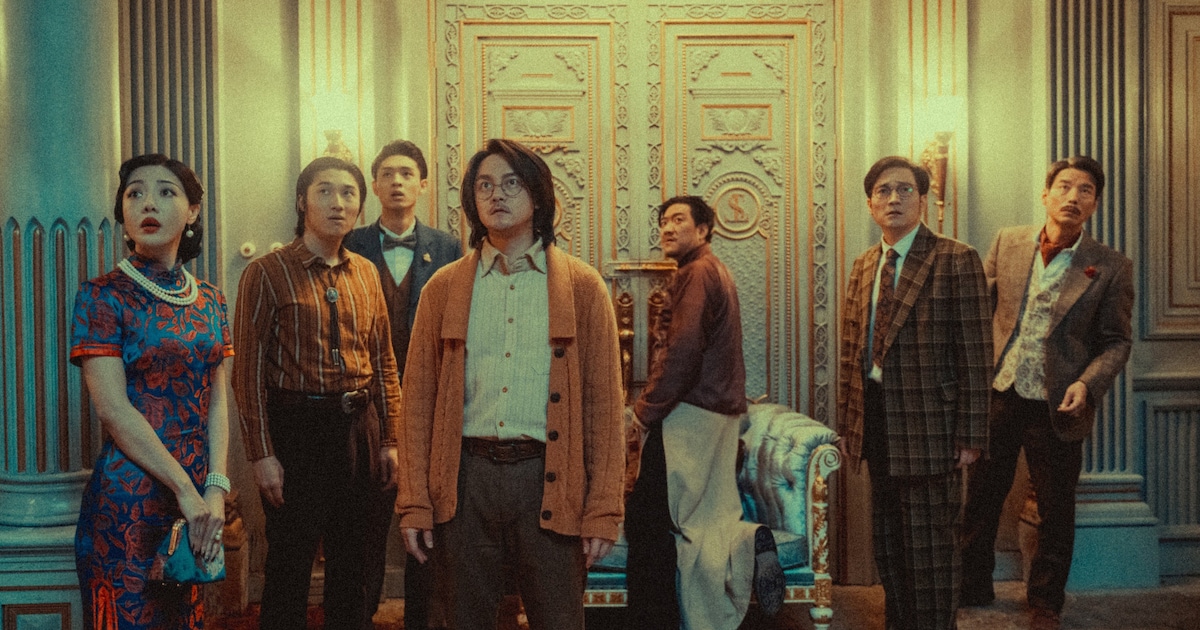
Imagine stepping into a shadowy, luxurious Western-style mansion in 1940s Shanghai, surrounded by desperate filmmakers hiding dark secrets. This is the haunting world of 夜鶯 (Yoru Uguisu), or “Nightingale: A Murder Case in a Western Mansion,” a Chinese blockbuster mystery thriller starring Yin Zheng, set to captivate Japanese audiences on February 27, 2026. Announced on December 26, 2025, by Movie Natalie, this film isn’t just entertainment news—it’s a perfect opportunity for you to explore how Japan engages with international cinema while picking up authentic Japanese expressions straight from the cultural context. Let’s dive into the story, uncover its cultural resonance, and learn some practical Japanese along the way!
A Cinematic Sensation Crossing Borders
Originally titled Yang Ming Li Wan in China, 夜鶯 (Yoru Uguisu) has already taken its home country by storm, raking in an incredible 興行収入 (kougyou shuunyuu, box office revenue) of over 17.6 billion yen (about $1.2 billion USD). It even won the Best Screenplay Award at the 2022 Hundred Flowers Awards, a major honor in Chinese popular cinema. The story unfolds in 1940s Shanghai, where a group of struggling film industry figures—a washed-up director, an unknown screenwriter, a faded actress, and a cunning producer—are invited to a 洋館 (yōkan, Western-style mansion) by a mysterious millionaire. Their task? To write a blockbuster script overnight based on an infamous, 未解決 (mikaiketsu, unsolved) murder case. The chilling twist: the real killer is among them, turning their collaboration into a deadly game of 推理 (suiri, deduction).
Starring Yin Zheng as Li Jiahui, a struggling screenwriter, and Deng Jiajia as Su Mengdie, a once-celebrated actress, the film boasts a 豪華 (gōka, luxurious) cast including Yang Haoyu, Chen Minghao, and Zhang Benyu. Directed by Liu Xunzimo, known for Sheng Quan Zai Wo, this thriller will screen at Human Trust Cinema in Yurakucho, Tokyo, and other theaters across Japan, with its 公開 (kōkai, release) handled by AMG Entertainment under Manywell’s provision. For Japanese learners like you, this isn’t just a movie—it’s a window into how global stories are adapted and received in Japan.
Cultural Context: Why “夜鶯” Resonates in Japan
If you’ve ever wondered how international films are marketed in Japan, the release of 夜鶯 (Yoru Uguisu) offers a fascinating case study. The Japanese title, meaning “Nightingale,” isn’t a direct translation but a poetic choice that evokes mystery and melancholy—qualities deeply appreciated in Japanese storytelling. This reflects a cultural tendency to adapt foreign works into something that feels familiar yet intriguing to local audiences.
The 1940s Shanghai setting, blending Eastern and Western influences, strikes a chord with Japanese viewers who have a longstanding fascination with stories set in culturally hybrid spaces. Think of Japan’s own Meiji or Taisho eras, where tradition clashed with modernity, often depicted in literature and film. The 洋館 (yōkan, Western-style mansion) itself is a powerful symbol in Japanese mystery genres, often tied to wealth, the exotic, and hidden secrets—much like gothic castles in Western tales. Additionally, the film’s focus on the movie industry mirrors a self-reflective trend in Japanese cinema, where themes of ambition and the cost of art resonate with Japan’s rich filmmaking history. As a learner, understanding these cultural layers helps you see how Japanese media interprets global content through its unique lens.
Learn Japanese from This Article
Let’s turn this exciting news into a learning opportunity! Below, you’ll find key vocabulary, grammar patterns, and useful expressions inspired by the story of 夜鶯 (Yoru Uguisu). These are terms and structures you’d encounter in real Japanese media discussions, taught the way native speakers learn them—through context and usage.
Key Vocabulary
| Japanese | Romaji | Meaning |
|---|---|---|
| 公開 | kōkai | release, make public (e.g., a movie) |
| 洋館 | yōkan | Western-style mansion/building |
| 訳あり | wake ari | having a reason/background story, often implying something suspicious or complicated |
| 興行収入 | kōgyō shūnyū | box office revenue |
| 推理 | suiri | deduction, reasoning (often in mysteries) |
| 未解決 | mikaiketsu | unsolved (e.g., a case or problem) |
| 豪華 | gōka | luxurious, splendid |
These words are incredibly useful if you’re following Japanese entertainment news or diving into mystery genres. For example, you might hear 訳あり (wake ari) used to describe characters with hidden pasts, just like the filmmakers in this story.
Grammar Spotlight
Let’s focus on two grammar patterns that can help you discuss stories and news like this one in Japanese. These structures are commonly used in media and everyday conversation to explain developments or revelations.
1. 〜ことがわかる (It is understood that, It turns out that)
- Structure: Verb (plain form) + ことがわかる
- Usage: This pattern expresses that something has become clear or understood, often used in narratives or news to reveal information.
Examples:
- 映画の最後に真犯人が誰だかわかることがわかる。 (Eiga no saigo ni shinban ga dare da ka wakaru koto ga wakaru.) At the end of the movie, it turns out who the real culprit is.
- このニュースを読むと、映画が大ヒットしたことがわかる。 (Kono nyūsu o yomu to, eiga ga dai hitto shita koto ga wakaru.) Reading this news, it’s understood that the movie was a huge hit.
- 予告編を見ると、物語が訳ありの人々を中心にしていることがわかる。 (Yokokuhen o miru to, monogatari ga wake ari no hitobito o chūshin ni shite iru koto ga wakaru.) Watching the trailer, it turns out that the story centers on people with complicated backgrounds.
2. 〜から〜ことになる (It comes to be that, The story unfolds from)
- Structure: Starting point (〜から) + situation/result (〜ことになる)
- Usage: This indicates how a situation develops or results from a starting point, often used to describe plot progression or consequences.
Examples:
- 洋館に集まるから、危険なゲームをすることになる。 (Yōkan ni atsumaru kara, kiken na gēmu o suru koto ni naru.) Gathering at the mansion, it comes to be that they play a dangerous game.
- 未解決の事件を題材にするから、真実を探ることになる。 (Mikaiketsu no jiken o daizai ni suru kara, shinjitsu o saguru koto ni naru.) Using an unsolved case as the theme, it unfolds into searching for the truth.
- 豪華なキャストが揃うから、注目される映画になることになる。 (Gōka na kyasto ga sorou kara, chūmoku sareru eiga ni naru koto ni naru.) With a luxurious cast assembled, it comes to be that the movie gains attention.
These patterns help you narrate events or explain developments, just like how Japanese media describes movie plots or news stories. Practice them to sound more natural when discussing films or stories!
Useful Expression
Here’s a bonus phrase inspired by the mystery theme of 夜鶯 (Yoru Uguisu):
- 真犯人は誰だ? (Shinban wa dare da?) - Who is the real culprit? This is a common question in Japanese mystery dramas or novels, perfect for engaging in discussions about thrillers or detective stories.
Continue Learning
Ready to build on what you’ve learned here? Check out these lessons from “Japanese from Japan” to deepen your skills:
- Nai Form: Negating Without Auxiliary Words: Want to understand the verb forms used here? Check out Nai Form: Negating Without Auxiliary Words.
- Wa vs. Ga: Emphasizing Importance in Sentences: Want to learn more about は? Check out our lesson on Wa vs. Ga: Emphasizing Importance in Sentences.
- Ni, De, and E: Mapping Directions and Locations: Ready to dive deeper? Our lesson on Ni, De, and E: Mapping Directions and Locations will help you master these concepts.
Closing
Thanks for joining me on this cinematic journey through 夜鶯 (Yoru Uguisu) and the cultural insights it offers. Learning Japanese isn’t just about words and grammar—it’s about connecting with the stories and perspectives that shape how native speakers see the world. Keep exploring, and I’m excited to see your progress!
これからもよろしくお願いします。 Kore kara mo yoroshiku onegaishimasu.