

Workplace Humor in Japan: A Comic Strip About Hospital Visits
Have you ever woken up from a quick nap feeling totally lost, unsure of where you are or what you were doing just moments before? That foggy, disoriented feeling is something we can all relate to—and it’s exactly the kind of moment a popular Japanese comic strip captures with a hilarious twist. In the latest episode of Sabotage BYD by Rocket News, published on December 25, 2025, we dive into a funny workplace scenario that’ll make you chuckle while giving you a peek into Japanese culture and language.
A Funny Hospital Visit in Sabotage BYD
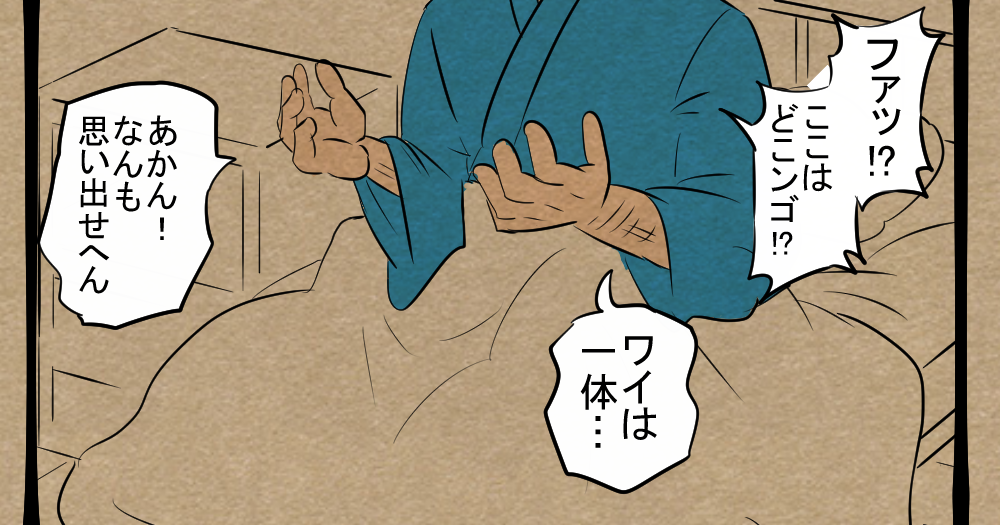
In the 264th episode of the four-panel comic series Sabotage BYD, titled お見舞いに来た部下 (omimai ni kita buka - "The Subordinate Who Came to Visit"), artist Zack KT-4 delivers a lighthearted yet slightly absurd story. The strip follows a subordinate who heads to the hospital to check on their boss, known as the 部長 (buchou - "department head" or "manager"), after hearing about an 事故 (jiko - "accident"). What they find in the hospital room isn’t just a recovering patient but a situation packed with humor. Without spoiling the punchline, let’s just say it plays on those confusing moments—like waking up from a 昼寝 (hirune - "nap") with a 曖昧 (aimai - "vague") sense of reality or struggling to piece together your 記憶 (kioku - "memory").
This short comic, part of Rocket News’ ongoing series, blends everyday life with a touch of the bizarre. It’s a quick read that often leaves you laughing (or groaning at a pun) in just four panels. More than just a joke, though, it offers a snapshot of Japanese humor and workplace dynamics that you’ll appreciate even more as you learn the language.
Cultural Context: The Importance of お見舞い
If you’ve ever wondered how workplace relationships work in Japan, this comic offers a great starting point. The act of お見舞い (omimai - "a visit to express sympathy or concern") is a big deal in Japanese culture, especially when it involves someone higher up like a 部長 (buchou - "department head"). Visiting a sick or injured person isn’t just a nice gesture—it’s often seen as a social duty. You might show up with a small gift or card and offer kind words, reflecting Japan’s deep values of respect and community. This comic takes that serious custom and flips it into something funny, a contrast that Japanese readers instantly get.
You might also be curious about the title Sabotage BYD. The meaning of "BYD" isn’t always clear, likely a quirky or stylistic choice by the artist or publisher. Japanese pop culture loves these kinds of mysterious or playful names to grab attention, and it’s a fun reminder of how creative and enigmatic language can be in Japan.
Learn Japanese from This Article
Let’s turn this funny story into a learning opportunity! Here, you’ll find key vocabulary, grammar patterns, and expressions straight from the comic and its cultural context. This is how Japanese is taught in Japan—focusing on real-life usage and context, not just textbook rules.
Key Vocabulary
| Japanese | Romaji | Meaning |
|---|---|---|
| 昼寝 | hirune | nap, midday rest |
| 記憶 | kioku | memory |
| 曖昧 | aimai | vague, ambiguous |
| お見舞い | omimai | visit to express sympathy |
| 部下 | buka | subordinate, junior employee |
| 部長 | buchou | department head, manager |
| 事故 | jiko | accident |
These words pop up in everyday conversations, especially in workplace or personal settings. For example, if you’re talking about a hazy memory after a nap, you might say, 記憶が曖昧だ (kioku ga aimai da - "My memory is vague").
Grammar Spotlight: 〜た後で (After Doing Something)
One useful structure you’ll encounter in stories like this is 〜た後で (~ta ato de), which means "after doing something." It’s used to describe a sequence of events, perfect for narrating what happens after an action.
- Structure: Verb (past tense) + 後で (ato de)
- Example 1: 昼寝した後で、頭がぼんやりした。 (Hirune shita ato de, atama ga bon’yari shita.
- "After taking a nap, my head felt fuzzy.")
- Example 2: 事故があった後で、みんな心配した。 (Jiko ga atta ato de, minna shinpai shita.
- "After the accident happened, everyone was worried.")
- Example 3: お見舞いに行った後で、話を聞いた。 (Omimai ni itta ato de, hanashi o kiita.
- "After going to visit, I heard the story.")
You’ll hear this pattern a lot in storytelling or when explaining what happened in a specific order. It’s a natural way to connect events, just like in the comic’s narrative.
Grammar Spotlight: 〜って (Casual Quotation or Topic Marker)
Another handy expression is 〜って (~tte), often used in casual speech as a quotation marker or to bring up a topic. It’s like saying "they said…" or "about…" in English, and it fits perfectly with the informal tone of a comic.
- Structure: Word/Phrase + って (tte)
- Example 1: 部長が事故にあったって聞いた。 (Buchou ga jiko ni atta tte kiita.
- "I heard that the department head had an accident.")
- Example 2: お見舞いに行くって言ったよ。 (Omimai ni iku tte itta yo.
- "They said they’re going to visit.")
- Example 3: 昼寝のことって、すぐ忘れるよね。 (Hirune no koto tte, sugu wasureru yo ne.
- "About napping, you forget right away, don’t you?")
This is super common in casual conversations, and you’ll notice it in manga, anime, or everyday chats with friends. It’s a great way to sound natural when relaying information or gossip!
Continue Learning
Ready to build on what you’ve learned here? Check out these lessons from "Japanese from Japan" to dive deeper into the language and culture:
- Greetings and Self-Introductions: Authentic Entry Phrases: Ready to dive deeper? Our lesson on Greetings and Self-Introductions: Authentic Entry Phrases will help you master these concepts.
- Ni, De, and E: Mapping Directions and Locations: To understand more about に, explore our Ni, De, and E: Mapping Directions and Locations lesson.
- Chinese Influence on Japanese: Kanji and Borrowed Vocabulary: Working on your reading skills? Our Chinese Influence on Japanese: Kanji and Borrowed Vocabulary lesson is a great next step.
Learning Japanese isn’t just about words and grammar—it’s about connecting with the culture and humor that make the language come alive. Keep exploring with us, and you’ll be laughing along with comics like Sabotage BYD in no time.
これからもよろしくお願いします。 Kore kara mo yoroshiku onegaishimasu.