
Kabuki Meets Pop Culture: Lupin III Returns to the Stage in 2026
If you’ve ever been captivated by the dramatic flair of Japanese theater or the thrilling adventures of anime, you’re in for a treat. On December 23, 2025, the Japanese entertainment world unveiled something truly exciting: the second installment of a groundbreaking kabuki adaptation of ルパン三世 (Rupan Sansei, Lupin III). This fusion of traditional 歌舞伎 (kabuki) and modern pop culture isn’t just a performance—it’s a window into the heart of Japanese storytelling. As a learner, diving into this news lets you explore authentic Japanese language and culture, just as it’s experienced in Japan. Let’s unpack this exciting announcement and see what it can teach us!
A New Kabuki Masterpiece Unveiled
The latest kabuki production, titled 流白浪燦星 碧翠の麗城 (Ryūhakurō Sansei Hekisui no Reijō, roughly "Lupin III: The Emerald Castle of Beauty"), is the much-anticipated second chapter of a series that brings Monkey Punch’s iconic manga and anime ルパン三世 (Rupan Sansei) to the traditional stage. After the roaring success of the first installment in 2023 at Tokyo’s Shinbashi Enbujō and earlier this year at Kyoto’s Minamiza, this new 公演 (kōen, public performance) will tour four cities—Tokyo, Aichi, Kyoto, and Fukuoka—from March 2026 to February 2027, promising a ロングラン (ronguran, long run) of captivating shows.
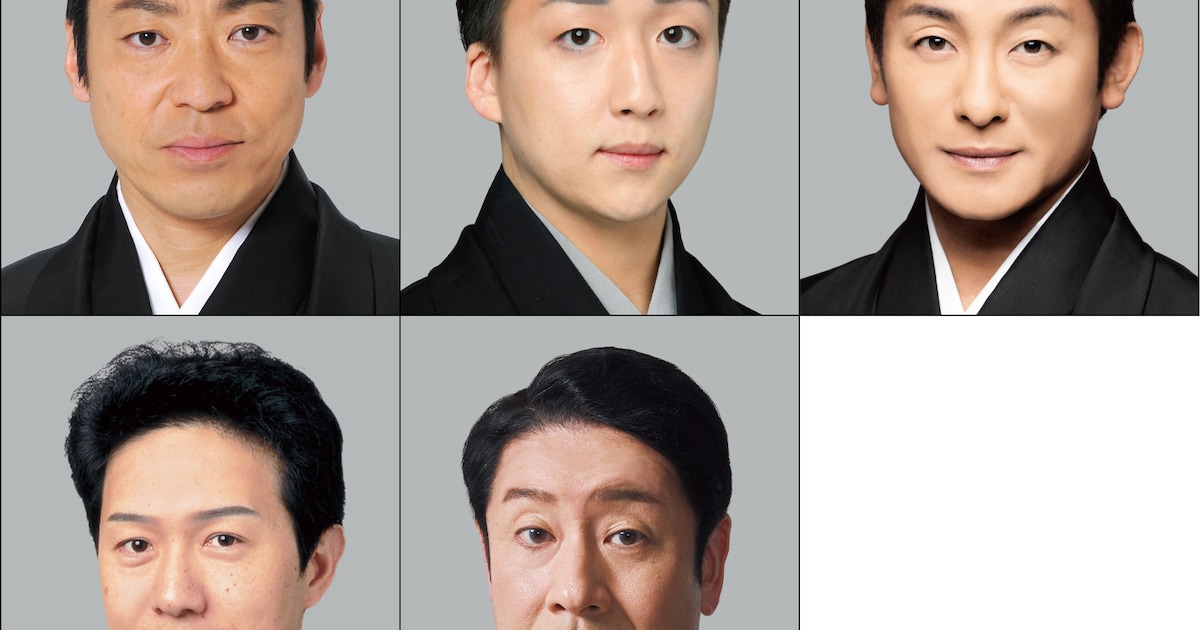
The cast is nothing short of spectacular. The renowned actor 片岡愛之助 (Kataoka Ainosuke) takes on the 主演 (shuen, leading role) as both 流白浪燦星 (Ryūhakurō Sansei, the kabuki version of Lupin III) and 石川五ェ門 (Ishikawa Goemon), Lupin’s loyal samurai companion. Joining him is 中村米吉 (Nakamura Yonekichi) as the ヒロイン (hiroin, heroine) 瀬織姫 (Seori Hime), a new character crafted for this story. Returning actors like 市川笑三郎 (Ichikawa Shōzaburō) as Jigen Daisuke and 市川中車 (Ichikawa Chūsha) as Inspector Zenigata ensure continuity on this dynamic 舞台 (butai, stage).
Set in the feudal realm of Suwa no Kuni, the plot follows Lupin as he targets treasures hidden in a temple where Princess Seori Hime resides. Trapped in a political marriage, the princess longs for freedom, and her encounter with Lupin ignites a subtle romance. Their adventure unfolds with mythical castles, hidden treasures, and the relentless pursuit of Inspector Zenigata. If you’re in Japan, mark your calendar—tickets for the Tokyo 上演 (jōen, performance) go on sale January 25, 2026, at 10:00 AM JST.
Cultural Context: Tradition Meets Modernity
Kabuki, a cornerstone of Japanese culture since the early 17th century, is more than just theater—it’s a living art form filled with dramatic storytelling, elaborate costumes, and stylized movements. Traditionally, kabuki focused on historical tales or moral dilemmas, but in recent years, there’s been a bold shift to adapt modern stories into this classic medium. The transformation of ルパン三世 (Rupan Sansei), a 1960s manga and anime icon, into a kabuki play is a perfect example of how Japan balances tradition with innovation.
One fascinating aspect of this 公演 (kōen, public performance) is the practice of actors taking on multiple roles. Seeing 片岡愛之助 (Kataoka Ainosuke) portray both Lupin and Goemon highlights the incredible skill of kabuki 役者 (yakusha, actors), many of whom come from hereditary acting families and train for years to master their craft. For learners like you, exploring kabuki—whether through news like this or by attending a performance—offers a deep dive into how Japanese language and culture intertwine, reflecting values of honor, beauty, and adaptability.
Learn Japanese from This Article
This exciting announcement isn’t just entertainment news; it’s a treasure trove of authentic Japanese language. From the poetic title 流白浪燦星 (Ryūhakurō Sansei) to the formal tone of performance details, you’ll find real-world expressions that go beyond textbooks. Let’s break down some key vocabulary and grammar to help you navigate similar texts and appreciate the depth of Japanese theater culture.
Essential Vocabulary
Here are some useful words related to theater and this kabuki production that you’ll encounter in Japanese media:
| Japanese | Romaji | Meaning |
|---|---|---|
| 歌舞伎 | kabuki | traditional Japanese theater |
| 上演 | jōen | performance, staging (of a play) |
| 主演 | shuen | leading role, starring role |
| ヒロイン | hiroin | heroine |
| 公演 | kōen | public performance, show |
| 舞台 | butai | stage, setting (of a story) |
| ロングラン | ronguran | long run (of a show) |
These terms pop up frequently in entertainment news, so memorizing them will help you follow updates on plays, movies, and more. Imagine reading a Japanese article and instantly recognizing 公演 (kōen) as a performance—small wins like this make learning rewarding!
Grammar Spotlight: 〜に決定 and 〜を勤める
Let’s look at two grammar patterns that often appear in formal announcements like this one, helping you sound natural when discussing roles or decisions.
1. 〜に決定 (ni kettei): Decided as, Determined to be
This structure is used to indicate a formal decision or selection, often in news or official contexts.
- Structure: Noun + に決定する (to be decided as)
- Examples:
- 東京公演は3月に決定しました。 (Tōkyō kōen wa san-gatsu ni kettei shimashita.) "The Tokyo performance was decided for March."
- 主演に片岡愛之助さんに決定しました。 (Shuen ni Kataoka Ainosuke-san ni kettei shimashita.) "Kataoka Ainosuke was decided as the lead actor."
- Usage: Perfect for discussing finalized plans or roles, as seen in casting announcements.
2. 〜を勤める (o tsutomeru): To Serve as, To Take on (a Role)
This polite expression is often used in formal contexts to describe someone taking on a position or role, especially in traditional arts like kabuki.
- Structure: Role + を勤める (to serve as)
- Examples:
- 片岡愛之助さんがルパンの役を勤めます。 (Kataoka Ainosuke-san ga Rupan no yaku o tsutomeru.) "Kataoka Ainosuke serves as Lupin."
- 中村米吉さんがヒロインを勤めます。 (Nakamura Yonekichi-san ga hiroin o tsutomeru.) "Nakamura Yonekichi takes on the role of the heroine."
- Usage: Common in discussions of actors or professionals taking on specific duties, adding a layer of respect to the statement.
By practicing these patterns, you’ll be able to talk about performances or decisions in a way that mirrors how native speakers express themselves in formal settings. Try crafting your own sentences about a favorite actor or upcoming event!
Closing Thoughts
Diving into news like the ルパン三世 (Rupan Sansei) kabuki adaptation isn’t just about staying updated—it’s about connecting with the living, breathing culture behind the Japanese language. Whether you’re fascinated by the 舞台 (butai, stage) or inspired to learn phrases like 主演に決定 (shuen ni kettei), every step brings you closer to understanding Japan as the Japanese do. Keep exploring, keep practicing, and let stories like this fuel your journey.
これからもよろしくお願いします。 Kore kara mo yoroshiku onegaishimasu.