
Rural Japan’s Hidden Risk: Isolation During Disasters
Have you ever wondered what life is like in the remote corners of Japan, far from the bustling streets of Tokyo or Osaka? While these rural villages often paint a picture of serene beauty, a recent report by the Yomiuri Shimbun has uncovered a chilling reality: over 20,000 rural communities across Japan are at risk of becoming completely cut off during natural disasters. If you’re learning Japanese to connect with the heart of Japan, this news offers a sobering glimpse into the challenges faced by these areas—and a chance to deepen your language skills with real-world context.
The Harsh Reality of Isolation After the Noto Earthquake
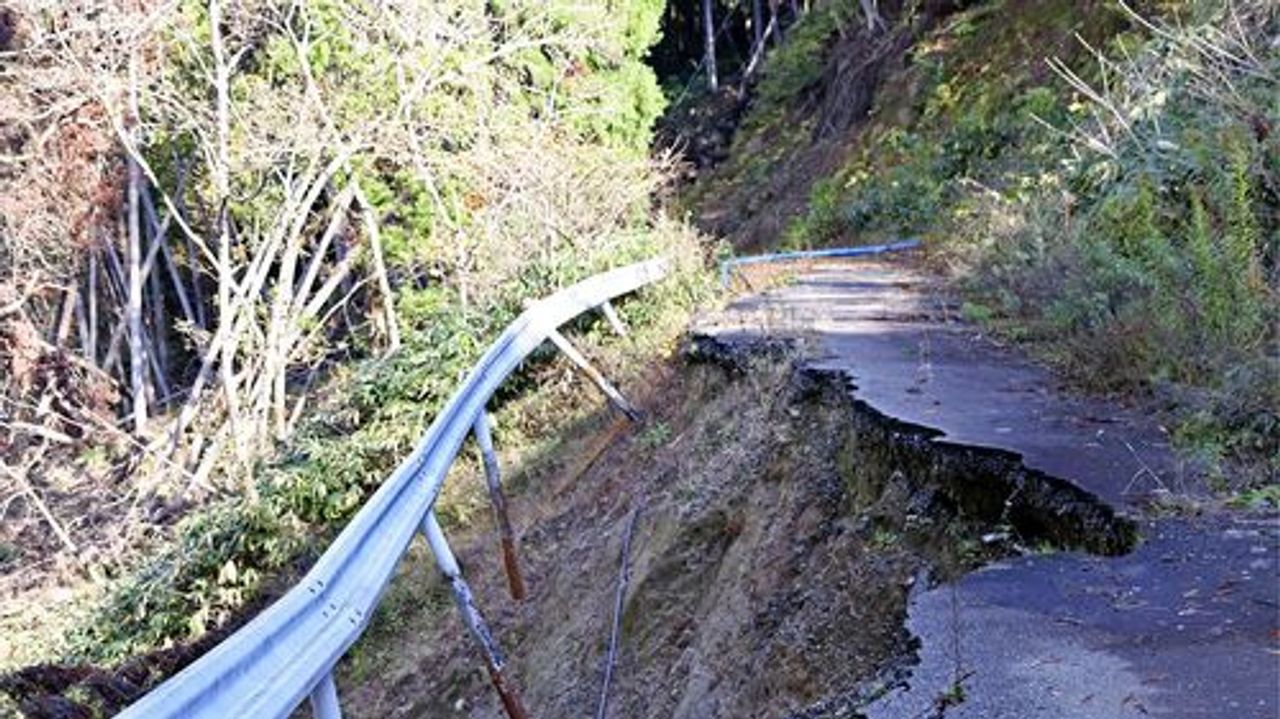
On January 1st of last year, the Noto Peninsula Earthquake shook rural Japan to its core. According to the Yomiuri Shimbun, 49 areas became what’s known as 孤立集落 (koritsu shuuraku), or "isolated communities," during this disaster. What’s even more striking is that 60% of these communities weren’t even expected to face such a fate. This has been a wake-up call for local governments, who are now scrambling to improve disaster preparedness. Efforts are underway to build up 備蓄 (bichiku), meaning "stockpiles" of food and supplies, and to promote 啓発 (keihatsu), or "raising awareness," through public education campaigns. For many remote villages, help may take days to arrive after a 災害 (saigai), a disaster, making self-reliance a matter of survival.
Cultural Context: The Fragility of Rural Japan
To truly understand this issue, let’s dive into the cultural landscape of rural Japan. Many of these at-risk areas are small villages, often called 限界集落 (genkai shuuraku), or "marginal communities." Tucked away in mountainous or coastal regions, they’re home to aging populations as younger generations flock to urban centers. When a 地震 (jishin), an earthquake, or heavy snowfall strikes, roads can become impassable, leaving residents without access to food, medical care, or communication. This isn’t just a logistical problem—it’s a reflection of the tension between preserving traditional lifestyles and adapting to modern risks. As you learn Japanese, recognizing the resilience and vulnerability of these communities adds depth to your understanding of Japan beyond the tourist hotspots.
Learn Japanese from This Article
If you’ve been following along, you’ve already encountered some key terms and concepts tied to this real-world issue. Let’s break them down so you can start using them yourself. After all, learning Japanese the way it’s taught in Japan means engaging with the language as it’s lived—through stories, news, and culture.
Essential Vocabulary
Here are some crucial words from this topic that you’ll hear in conversations about disasters and rural life in Japan:
| Japanese | Romaji | Meaning |
|---|---|---|
| 災害 | saigai | disaster, calamity |
| 孤立 | koritsu | isolation, being cut off |
| 集落 | shuuraku | settlement, village, community |
| 備蓄 | bichiku | stockpile, reserve |
| 啓発 | keihatsu | enlightenment, raising awareness |
| 限界 | genkai | limit, boundary |
| 地震 | jishin | earthquake |
Grammar Spotlight: 〜ことがわかる and 〜うち
Let’s focus on two useful grammar patterns that popped up while exploring this news. These structures are commonly used in Japanese media and everyday conversation, so they’re worth mastering.
1. 〜ことがわかる (koto ga wakaru) - "It is understood that" or "It is found that"
This pattern is used to express a realization or discovery, often based on evidence or observation. It’s perfect for discussing news or research findings.
- Structure: [Verb (plain form) / Noun + の] + ことがわかる
- Example 1: 多くの集落が孤立することがわかった。(Ooku no shuuraku ga koritsu suru koto ga wakatta.) - "It was found that many communities became isolated."
- Example 2: 地震の後、備蓄の重要性がわかる。(Jishin no ato, bichiku no juuyousei ga wakaru.) - "After the earthquake, the importance of stockpiling is understood."
- When to use: Use this when summarizing conclusions or insights, like in news reports or personal reflections.
2. 〜うち (uchi) - "Among" or "Out of"
This pattern indicates a portion or subgroup within a larger whole. It’s handy for statistics or highlighting specifics within a group.
- Structure: [Number/Quantity] + のうち + [specific detail]
- Example 1: 49の集落のうち、60%が予想外だった。(Yonjuukyuu no shuuraku no uchi, rokujuppasento ga yosougai datta.) - "Out of 49 communities, 60% were unexpected."
- Example 2: 生徒のうち、5人が参加した。(Seito no uchi, gonin ga sanka shita.) - "Among the students, 5 participated."
- When to use: Use this to break down data or specify a part of a larger group, often in formal or analytical contexts.
Useful Expression
Here’s a practical phrase tied to disaster preparedness that you might hear or use:
- 備えあれば憂いなし (Sonae areba urei nashi) - "If you’re prepared, you’ll have no worries." This proverb emphasizes the importance of readiness, a key theme in discussions about disasters in Japan.
Closing Thoughts
Learning Japanese isn’t just about memorizing words or grammar—it’s about connecting with the real issues and stories that shape life in Japan. The vulnerability of rural communities during disasters like the Noto Peninsula Earthquake reminds us of the resilience woven into Japanese culture, and it gives us a chance to engage with the language authentically. Keep practicing these terms and patterns, and you’ll find yourself understanding not just the language, but the heart of Japan itself.
これからもよろしくお願いします。 Kore kara mo yoroshiku onegaishimasu.