
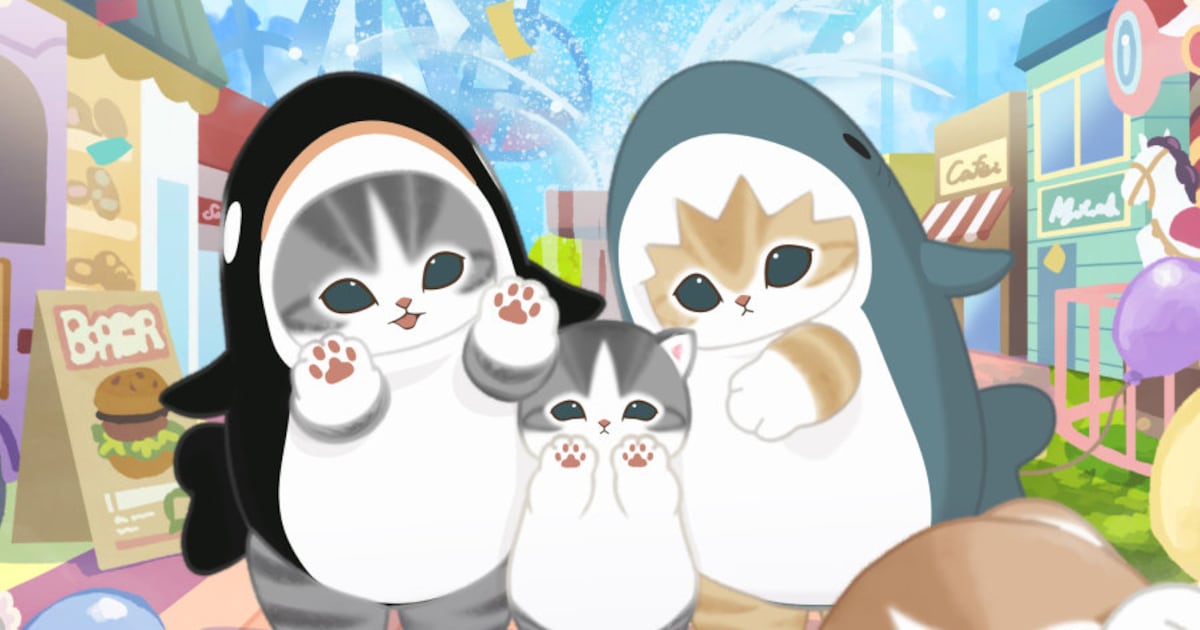
mofusand Anime Debut: Cute Cats Take Over Japan!
Imagine a world where fluffy cats dressed as sharks and strawberries steal your heart with every meow. If you’ve ever been charmed by Japan’s adorable pop culture, you’re in for a treat! On December 22, 2025, the beloved illustration series mofusand (mofusando)—a playful mix of "mofu" (fluffy) and "sand" (from the artist’s name)—made its animated debut with a short episode titled 食欲爆発 (Shokuyoku Bakuhatsu, "Appetite Explosion"). This exciting news, shared via Comic Natalie, is a perfect entry point for Japanese learners like you to dive into authentic language and culture through the lens of cuteness. Let’s explore this delightful anime launch and what it means for your learning journey!
The Big News: mofusand Leaps into Animation
The ショートアニメ (shōto anime, "short anime") adaptation of mofusand (mofusando), created by illustrator ぢゅの (Juno), premiered its first episode on QTORY’s YouTube channel as a 先行配信 (senkō haishin, "advance release") before its official rollout on January 7, 2026. Starting then, fans can catch new episodes every Wednesday at 8:00 AM across platforms like YouTube, TikTok, Instagram, and paid services such as ABEMA Premium, Prime Video, and Hulu. These bite-sized episodes promise endless charm, beginning with "Appetite Explosion," which showcases the quirky antics of its feline stars.
Leading the cast is サメにゃん (Same-nyan, "Shark Cat"), a cat in a shark 着ぐるみ (kigurumi, "costume" or "mascot suit"), voiced by the talented 久保ユリカ (Kubo Yurika). She expressed her joy at taking on this role, saying she とは夢にも思わなかった (to wa yume ni mo omowanakatta, "never even dreamed of") voicing such an iconic character. Joining her are other beloved cats like シャチにゃん (Shachi-nyan, "Orca Cat") voiced by 明坂聡美 (Akesaka Satomi), and いちごにゃん (Ichigo-nyan, "Strawberry Cat") voiced by 前田佳織里 (Maeda Kaori). The production team, including director 作田ハズム (Sakuta Hazumu), brings the same もふもふ (mofumofu, "fluffy, soft") magic of the original illustrations to life with stunning animation by Monsters Egg studio.
What’s truly heartwarming are the behind-the-scenes stories from the アフレコ (afureko, "after-recording" or "voice dubbing") sessions. Kubo Yurika noted how “cat language is universal,” while Akesaka Satomi shared how the studio turned into a feline playground with everyone mimicking にゃん (nyan, "meow, cat sound") even during feedback. It’s this playful spirit that makes mofusand a must-watch for anyone curious about Japan’s cute culture!
Cultural Context: The Power of Kawaii in Japan
If you’re new to Japanese culture, mofusand is a shining example of the カワイイ (kawaii, "cute") phenomenon that defines so much of modern Japan. From fashion to character mascots, cuteness isn’t just a trend—it’s a way of life. These cats, dressed in unexpected 着ぐるみ (kigurumi) like sharks or bunnies, capture a uniquely Japanese sense of adorability that drives a massive industry of character goods (キャラクターグッズ, kyarakutaa guzzu). Fans don’t just admire the art; they bring it into their daily lives through plushies, stickers, and apparel sold at places like mofusand TOKYO in Harajuku.
This anime adaptation also shows Japan’s talent for turning popular illustrations into multimedia franchises, much like サンリオ (Sanrio) did with Hello Kitty. For learners, engaging with content like mofusand isn’t just entertaining—it’s a chance to hear authentic Japanese expressions, including playful sounds like にゃん (nyan), and understand how emotions and cuteness are woven into the language. It’s a window into how Japanese people celebrate creativity and connection through shared cultural icons.
Learn Japanese from This Article
Ready to pick up some authentic Japanese from the world of mofusand? Let’s break down some key vocabulary and grammar patterns inspired by this adorable anime debut. These are words and structures you’ll encounter in real Japanese media and conversations, taught the way native speakers learn them.
Key Vocabulary
| Japanese | Romaji | Meaning |
|---|---|---|
| ショートアニメ | shōto anime | short anime |
| 先行配信 | senkō haishin | advance release/streaming |
| 着ぐるみ | kigurumi | costume, mascot suit |
| もふもふ | mofumofu | fluffy, soft |
| にゃん | nyan | meow, cat sound |
| アフレコ | afureko | after-recording, voice dubbing |
| キービジュアル | kī bijuaru | key visual |
Grammar Spotlight
Let’s dive into two useful grammar patterns that popped up in the context of this news. These are straight from authentic Japanese usage, and you’ll hear them often in interviews or media.
〜役を務める (yaku o tsutomeru, "to take on the role of, to serve as")
- Structure: Noun (role/position) + 役を務める
- Usage: This formal expression is used when someone takes on a specific role, especially in acting or official duties. It’s common in news about voice actors or public figures.
- Examples:
- 久保ユリカさんがサメにゃん役を務める。 (Kubo Yurika-san ga Same-nyan yaku o tsutomeru., "Yurika Kubo takes on the role of Shark Cat.")
- 彼はこの映画で主役を務めた。 (Kare wa kono eiga de shuyaku o tsutometa., "He served as the main character in this movie.")
- 新社長役を務めるのは誰ですか? (Shin shachō yaku o tsutomeru no wa dare desu ka?, "Who will take on the role of the new president?")
〜とは夢にも思わなかった (to wa yume ni mo omowanakatta, "never even dreamed of, never imagined")
- Structure: Noun + とは夢にも思わなかった
- Usage: This phrase expresses surprise or disbelief about something happening, often with an emotional tone. It’s great for personal stories or dramatic reactions.
- Examples:
- こんな役を務めるとは夢にも思わなかった。 (Konna yaku o tsutomeru to wa yume ni mo omowanakatta., "I never even dreamed of taking on such a role.")
- 日本に来るとは夢にも思わなかった。 (Nihon ni kuru to wa yume ni mo omowanakatta., "I never imagined I’d come to Japan.")
- 彼が優勝するとは夢にも思わなかった。 (Kare ga yūshō suru to wa yume ni mo omowanakatta., "I never even dreamed he would win.")
Useful Expression
Here’s a bonus sound you’ll hear in mofusand and beyond: にゃん (nyan, "meow"). This onomatopoeia is how Japanese cats “speak,” and it’s often used playfully in anime or by people mimicking cats. Try saying it out loud—it’s a fun way to connect with the cute vibe of this series!
これからもよろしくお願いします。 Kore kara mo yoroshiku onegaishimasu.