
Doraemon New Year’s Eve Special 2025: A Japanese Tradition to Learn From
Imagine cozying up with your family on a chilly December morning, the excitement of the new year just hours away, as the beloved blue cat-robot ドラえもん (Doraemon) lights up your TV screen. If you’ve ever wanted a glimpse into authentic Japanese holiday traditions, you’re in for a treat! On December 31, 2025, Japan will celebrate 大みそか (Oomisoka), New Year’s Eve, with a heartwarming broadcast of 大みそかだよ!ドラえもん1時間スペシャル (Oomisoka da yo! Doraemon 1-jikan Supesharu) - "New Year’s Eve! Doraemon 1-Hour Special." This year, there’s an extra spark of excitement with actor and TV personality Ishihara Yoshizumi joining as a ゲスト声優 (gesuto seiyuu), or guest voice actor. Let’s dive into this cultural gem and uncover some Japanese language lessons along the way!
A Special Broadcast to Ring in the New Year
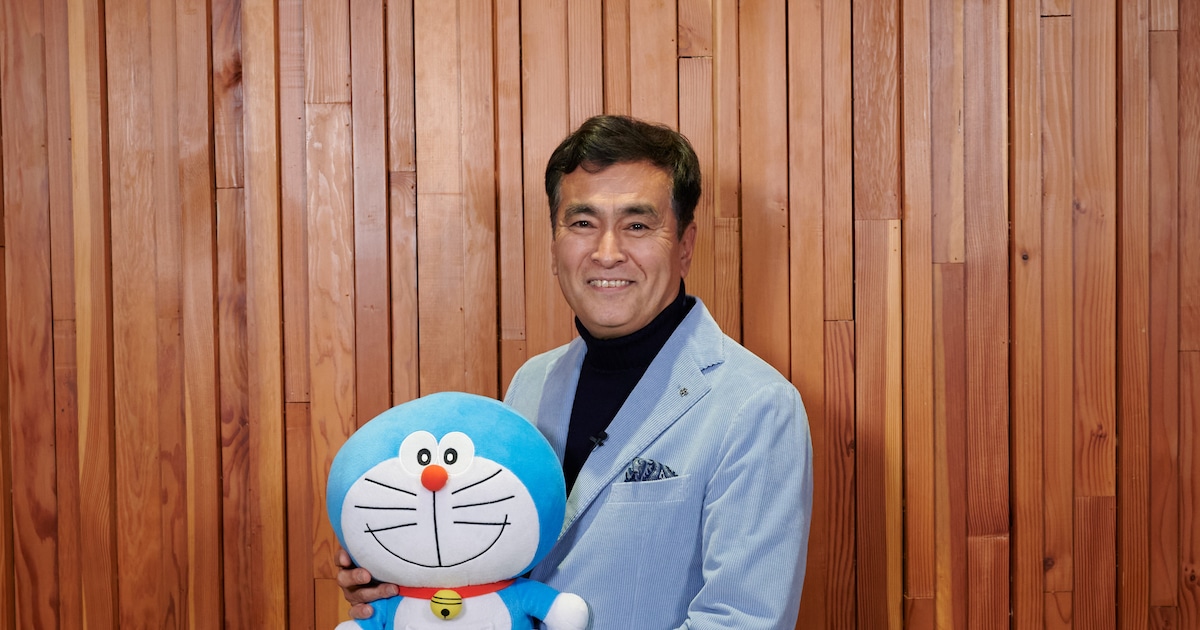
Mark your calendars for December 31 at 9:00 AM, when TV Asahi’s 24 stations across Japan will air this much-loved Doraemon special. The centerpiece is an original story called スペースウエスタン 荒野のウマタケ (Supēsu Uesutan Kōya no Umatake) - "Space Western: Umatake of the Wilderness." Inspired by the 2026 zodiac animal, the horse (午, uma), and bamboo (竹, take), the tale features a futuristic creature named Umatake. Nobita and friends embark on an adventure to the mysterious UMA Planet, clashing with the villainous Snake Family. Ishihara voices Morgan, a member of this shady gang, alongside other talented actors like Kimura Subaru as Snake and Seki Tomokazu as Tiger. At 63, Ishihara expressed his joy, saying it’s a 光栄 (kouei), or honor, to be part of this legacy. He invites everyone to enjoy the 年の瀬 (toshinose), the end of the year, together through this special broadcast.
Ishihara Yoshizumi’s Personal Connection to Doraemon
Ishihara’s involvement isn’t just a professional gig—it’s deeply personal. Growing up with Doraemon in school magazines, he recalls finding the character mysterious and strange as a child. Now, stepping into the recording booth for アフレコ (afureko), or after-recording dubbing, he couldn’t hide his excitement, though he jokingly wished for more lines and a better role next time! He even shared a relatable dream of owning one of Doraemon’s ひみつ道具 (himitsu dougu), secret gadgets, specifically the どこでもドア (Dokodemo Dōa), or "Anywhere Door," to skip the hassle of jet lag on international trips. His nostalgia and humor highlight how Doraemon transcends generations, making this New Year’s Eve special a shared memory for many in Japan.
A Cultural Event Beyond the Screen
This broadcast isn’t just a show—it’s an experience. Alongside the anime, 100 lucky viewers can win a rubber keychain from the Fujiko F. Fujio Museum in Kawasaki, Kanagawa, honoring Doraemon’s creator. Airing on 大みそか (Oomisoka), the special transforms a simple TV morning into a communal celebration, perfectly capturing the reflective and joyful spirit of Japan’s New Year’s Eve.
Cultural Context: The Magic of Oomisoka
In Japan, 大みそか (Oomisoka), or New Year’s Eve, is far more than just the day before January 1. It’s a time of tradition and togetherness, where families engage in 大掃除 (Oosōji), a "big cleaning" to purify the home for the coming year, eat 年越しそば (Toshikoshi Soba), or "year-crossing noodles," for longevity, and listen for the midnight temple bells known as 除夜の鐘 (Joya no Kane). TV specials like Doraemon play a huge role in this atmosphere, offering lighthearted entertainment as families wind down. The story’s nod to the zodiac animal also ties into the 干支 (Eto), Japan’s 12-year animal cycle, which influences cultural themes annually. Ishihara’s participation, as a familiar face from variety shows like ザワつく!大晦日 (Zawatsuku! Oomisoka), bridges everyday Japanese media with this festive moment, making the Doraemon special a snapshot of modern holiday culture.
Learn Japanese from This Article
If you’ve been following along, you’ve already picked up a few Japanese words and cultural insights! Let’s break down some key vocabulary and grammar from this New Year’s Eve special to help you learn Japanese the authentic way—just as it’s used in Japan.
Key Vocabulary
| Japanese | Romaji | Meaning |
|---|---|---|
| 大みそか | Oomisoka | New Year's Eve |
| ゲスト声優 | Gesuto Seiyuu | Guest voice actor |
| 光栄 | Kouei | Honor, privilege |
| 年の瀬 | Toshinose | End of the year |
| アフレコ | Afureko | After-recording, dubbing |
| ひみつ道具 | Himitsu Dougu | Secret gadget |
| どこでもドア | Dokodemo Dōa | Anywhere Door |
Grammar Spotlight: Polite and Casual Expressions
Let’s look at two grammar patterns that reflect the nuances of Japanese communication, inspired by Ishihara’s comments and the spirit of the broadcast.
〜させていただく (Sasete Itadaku) - Humbly Do Something This is a super polite expression used to show gratitude or humility when doing something, often in formal or respectful contexts. It’s like saying, “I am honored to be allowed to do this.”
- Structure: Verb (te-form) + させていただく
- Example 1: 出演させていただきます。 (Shutsuen sasete itadakimasu.) - "I am honored to appear (in this show)."
- Example 2: お話をさせていただきました。 (Ohanashi o sasete itadakimashita.) - "I was privileged to speak with you."
- When to Use: Perfect for situations like Ishihara expressing his 光栄 (kouei), or honor, at joining Doraemon. You’ll hear this in formal speeches or when someone wants to show deep respect.
〜ちゃう (Chau) - Casual Contraction of 〜てしまう (End Up Doing Something) This casual form is often used in spoken Japanese to express something done unintentionally or with a sense of regret or surprise.
- Structure: Verb (te-form) + ちゃう (drops the てしまう ending for brevity)
- Example 1: 忘れちゃった。 (Wasurechatta.) - "I ended up forgetting."
- Example 2: 見ちゃった! (Michatta!) - "I ended up seeing it!"
- When to Use: Imagine Ishihara jokingly wishing for more lines—he might say something like もっと話せなかったちゃう? (Motto hanasenakatta chau?) - "Didn’t I end up not speaking more?" It’s informal and great for everyday chats with friends.
Useful Expression
Inspired by the festive mood of 大みそか (Oomisoka), here’s a phrase to wish someone well at the year’s end:
- 良いお年を! (Yoi Otoshi o!) - "Have a good new year!" This is a common greeting in late December, especially on New Year’s Eve, as you part ways with someone before the year turns over. Try using it with friends or family to sound natural and warm.
Closing Thoughts
As you can see, even a TV special like Doraemon’s New Year’s Eve broadcast offers a window into Japanese language and culture. From learning polite expressions like 〜させていただく (sasete itadaku) to understanding the deep significance of 大みそか (Oomisoka), you’re taking steps toward mastering Japanese the way it’s lived and spoken in Japan. Keep exploring these cultural moments—they’re the key to unlocking authentic fluency!
これからもよろしくお願いします。 Kore kara mo yoroshiku onegaishimasu.