
Free School Lunches in Japan: A Step Toward Equality
Discover how Japan's move to free school lunches reflects cultural values and learn key Japanese vocabulary and grammar from this policy update.
Have you ever wondered how everyday policies in Japan reflect deeper cultural values? On December 18, 2001, a significant agreement was reached among three major political parties to provide free school lunches in public elementary schools. This might sound like a simple administrative update, but it opens a window into Japan’s commitment to education, equality, and community welfare. Let’s dive into this development, explore its cultural significance, and pick up some authentic Japanese language skills along the way.
A Historic Agreement on School Lunches
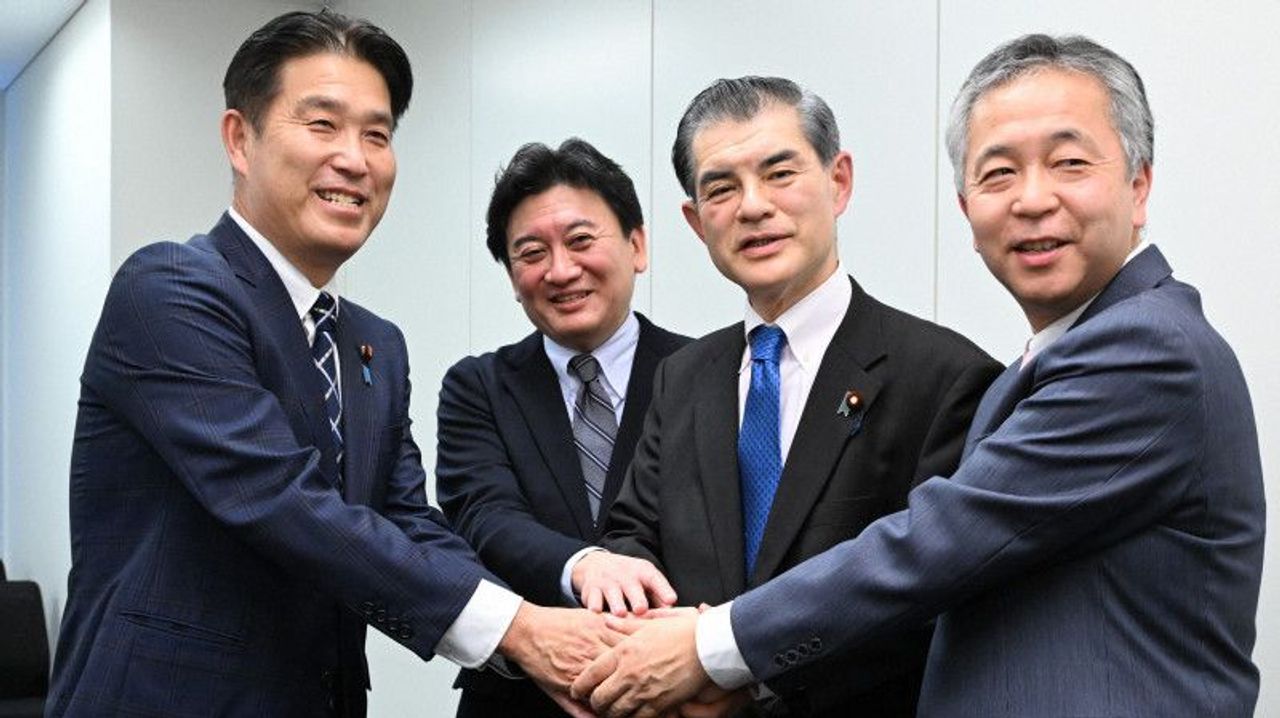
In a landmark decision at the 国会 (kokkai, National Diet), Japan’s parliament, three key political parties—the Liberal Democratic Party, Japan Innovation Party, and Clean Government Party—came together to finalize a plan for the 無償化 (mushōka, making something free of charge) of school lunches, or 給食 (kyūshoku), in public elementary schools. Starting in the spring of 2026, families will no longer bear the 負担 (futan, burden or expense) of lunch costs, as the government will provide a monthly 支援 (shien, support) of 5,200 yen per student to cover 食材 (shokuzai, food ingredients).
This decision wasn’t made overnight. It came after extensive 協議 (kyōgi, discussion or consultation) among the parties, with funding split between the national and prefectural governments. However, the prefectures’ share is expected to be covered by local allocation taxes, making this largely a nationally driven initiative. For learners like you, this news isn’t just about policy—it’s a chance to see how Japan prioritizes its children and to learn language rooted in real-world contexts.
Cultural Context: The Role of School Lunches in Japan
In Japan, 給食 (kyūshoku, school lunch) is far more than just a meal—it’s an integral part of the educational experience. If you’ve ever seen images of Japanese classrooms, you might have noticed students eating together, often wearing aprons and serving each other from shared trays. Unlike in many Western countries where kids might bring their own lunches or choose from a cafeteria menu, Japanese elementary schools provide a standardized, nutritionally balanced meal to every student. This fosters a sense of equality—no one is left out or singled out based on what they can afford to eat.
The history of 給食 dates back to the post-World War II era when Japan introduced school lunches to combat widespread malnutrition. Over time, it became a symbol of collective care and responsibility, teaching children not just healthy eating habits but also teamwork and gratitude. The move to make 給食 free starting in 2026 reflects Japan’s ongoing dedication to ensuring that financial constraints don’t hinder a child’s access to basic needs. As you learn Japanese, understanding terms like 給食 and the values behind them helps you connect with the heart of Japanese society.
Learn Japanese from This Article
Let’s turn this news into a learning opportunity! Below, you’ll find key vocabulary words and grammar patterns pulled directly from this policy update. These are terms and structures you’ll encounter in real Japanese media and conversations, taught the way native speakers use them.
Key Vocabulary
| Japanese | Romaji | Meaning |
|---|---|---|
| 給食 | kyūshoku | school lunch |
| 無償化 | mushōka | making something free of charge |
| 支援 | shien | support, assistance |
| 負担 | futan | burden, expense |
| 協議 | kyōgi | discussion, consultation |
| 国会 | kokkai | National Diet (Japan’s parliament) |
| 食材 | shokuzai | food ingredients |
These words aren’t just useful for understanding news articles—they’re part of everyday life in Japan. For example, you might hear 負担 (futan) when discussing family expenses or 支援 (shien) in contexts of community help.
Grammar Spotlight
Let’s look at two grammar patterns that appear in discussions of policies like this one. These will help you understand formal announcements and news reports.
〜で合意する (de gōi suru) - to reach an agreement on ~ This pattern is used to describe consensus or agreement on a specific topic, often in formal or official contexts.
- Structure: [Topic/Issue] + で + 合意する
- Example 1: 給食の無償化で合意しました。 (Kyūshoku no mushōka de gōi shimashita.) - We reached an agreement on making school lunches free.
- Example 2: 支援の金額で合意した。 (Shien no kingaku de gōi shita.) - An agreement was reached on the amount of support.
- When to use: Perfect for discussing decisions made in meetings, politics, or group settings.
〜予定とされている (yotei to sarete iru) - is scheduled to be ~, is planned to be ~ This passive structure indicates something is planned or scheduled, often by an authority, and is commonly used in formal writing or news.
- Structure: [Action/Plan] + 予定とされている
- Example 1: 2026年から実施される予定とされています。 (Nisen nijūroku nen kara jisshi sareru yotei to sarete imasu.) - It is scheduled to be implemented from 2026.
- Example 2: 支援金が増える予定とされている。 (Shienkin ga fueru yotei to sarete iru.) - The support funds are planned to increase.
- When to use: Use this to talk about future plans or policies that have been officially decided.
Useful Expression
Here’s a bonus phrase you’ll hear in formal discussions or news reports: 負担を軽減する (futan o keigen suru) - to reduce the burden Example: 家族の負担を軽減するために、この政策が作られました。 (Kazoku no futan o keigen suru tame ni, kono seisaku ga tsukuraremashita.) - This policy was created to reduce the burden on families.
By practicing these words and patterns, you’re learning Japanese the way it’s used in real-life contexts, just as native speakers encounter it in daily news or conversations.
Closing Thoughts
This policy on free school lunches isn’t just a headline—it’s a reflection of Japan’s deep-rooted values of equality and care for the next generation. As you’ve seen, even a seemingly small decision can teach us so much about culture and language. Keep exploring these connections, and you’ll find that learning Japanese becomes a window into understanding Japan itself.
これからもよろしくお願いします。 Kore kara mo yoroshiku onegaishimasu.