
Manga Legend Itagaki Keisuke on TV: A Must-Watch for Japanese Learners
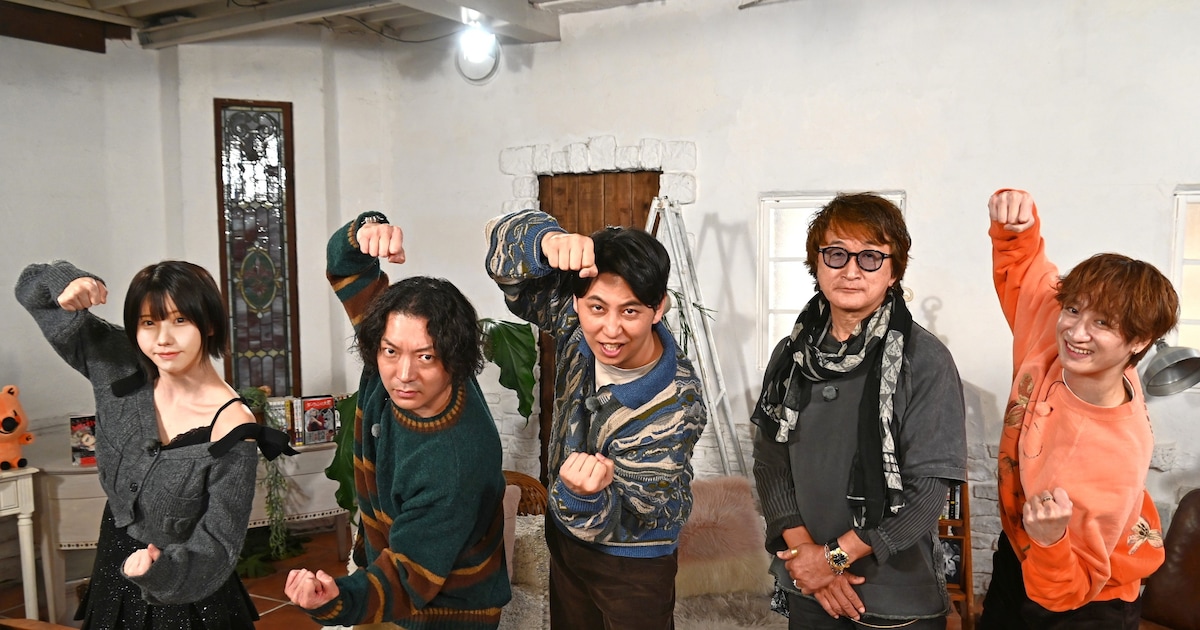
If you’ve ever flipped through the intense pages of a martial arts manga or found yourself captivated by Japanese pop culture, you’re in for a treat. On December 30, 2025, manga fans in Japan will witness a rare moment as Itagaki Keisuke, the iconic creator of 刃牙 (Baki), makes a special television appearance on ABC TV's 勝手に!漫画アワードNEO (Katte ni! Manga Awaado NEO), airing at 11:40 PM. This isn’t just a show—it’s a celebration of manga culture, and for learners like you, it’s a golden opportunity to dive into authentic Japanese language and passion. Let’s explore what this event is all about and how you can learn from it!
A Unique Manga Celebration
Imagine a room full of manga-loving celebrities, buzzing with excitement as they create their own quirky award categories to honor their favorite works. That’s exactly what 勝手に!漫画アワードNEO (Katte ni! Manga Awaado NEO), or “Unauthorized! Manga Awards NEO,” brings to the screen. Hosted by the comedy duo New York, the show features panelists like Miyata Toshiya from the idol group Kis-My-Ft2 and popular cosplayer Enako, all sharing their 熱い (atsui, passionate) love for manga. The highlight this time? Itagaki Keisuke’s 出演 (shutsuen, appearance) as a special guest. As the mastermind behind 刃牙 (Baki), a series known for its gripping fight scenes and unique dialogue, his presence is nothing short of 貴重 (kichou, valuable) for fans and learners alike.
One segment, titled “Baki Fans’ 300 Questions! What We Want to Ask Itagaki-sensei Award!”, lets fans and panelists dive deep into Itagaki’s creative world. They ask about everything from his signature use of オノマトペ (onomatope, onomatopoeia) to the profound family themes in his stories. Itagaki himself admitted to feeling a bit of 緊張 (kinchou, nervousness) but ultimately enjoyed the experience of simply answering questions without the pressure to entertain. Host Shimasa Kazuya even shared how 刃牙 shaped his youth, proving just how much manga can 盛り上げる (moriageru, liven up) lives and conversations.
Beyond Baki: Manga’s Diverse World
While Itagaki’s appearance steals the spotlight, the show offers more for curious minds. Miyata Toshiya discusses the manga adaptation and anime plans for his light novel 境界のメロディ (Kyoukai no Merodi, “Melody of the Boundary”), showing how manga culture inspires new creators. Panelists also recommend their favorite titles, sparking interest in lesser-known works. Cosplayer Enako adds humor by teasing that the discussions are often “too bright” for her taste, hinting she’d love to explore darker themes next time. For learners, this variety mirrors the diversity of 漫画 (manga, comic) itself, a medium that touches every genre and emotion in Japan.
Cultural Context: Manga as a Way of Life
In Japan, manga isn’t just a hobby—it’s a cultural cornerstone. The word 漫画 (manga, comic) originally meant “whimsical pictures,” tracing back to playful sketches from centuries ago. Today, it’s a massive industry and a shared language across generations. Shows like 勝手に!漫画アワードNEO reveal how manga discussions are a bonding ritual, whether among friends or on national TV. Itagaki is addressed as 先生 (sensei, teacher), a title of deep respect that highlights the role of creators as mentors in Japanese society. His series 刃牙, launched in 1991, isn’t just about brute strength—it weaves philosophical questions about family and perseverance, resonating with readers on a personal level. For you as a learner, tuning into this passion offers a glimpse into why manga is lived, not just read, in Japan.
Learn Japanese from This Article
Ready to pick up some authentic Japanese from this exciting event? Let’s break down key vocabulary and grammar patterns that capture the spirit of manga culture and TV appearances. These are words and structures you’ll hear in real Japanese conversations, especially if you’re diving into pop culture discussions.
Key Vocabulary
| Japanese | Romaji | Meaning |
|---|---|---|
| 出演 | shutsuen | appearance, performance (on TV, stage, etc.) |
| 漫画 | manga | comic, manga |
| 熱い | atsui | hot, passionate |
| オノマトペ | onomatope | onomatopoeia |
| 貴重 | kichou | valuable, precious |
| 緊張 | kinchou | nervousness, tension |
| 盛り上げる | moriageru | to liven up, to excite |
These words pop up constantly in media and casual chats about entertainment. For example, describing someone’s TV 出演 (shutsuen) as 貴重 (kichou) instantly conveys how special the moment is, just like Itagaki’s appearance.
Grammar Spotlight: Humble and Desirable Expressions
Let’s look at two grammar patterns that reflect polite and personal tones in Japanese, both of which tie into how people speak on shows like this.
〜させていただく (~sasete itadaku) - Humble expression for doing something This structure is a polite way to express that you’re doing something with gratitude or permission, often used in formal or respectful contexts. It’s a combination of the causative form (saseru) and the humble verb (itadaku, to receive).
- Structure: Verb (te-form) + させていただく
- Example 1: 質問させていただきます。 (Shitsumon sasete itadakimasu.) - “Allow me to ask a question.” (Humble, as a panelist might say to Itagaki-sensei)
- Example 2: 出演させていただいて、ありがとうございます。 (Shutsuen sasete itadaite, arigatou gozaimasu.) - “Thank you for allowing me to appear.” (Reflecting Itagaki’s humble tone)
- When to use: Perfect for situations where you’re speaking to someone of higher status or expressing gratitude for an opportunity, like on TV or in professional settings.
〜たいと思う (~tai to omou) - To think one wants to do something This pattern softens the direct “I want to” (~tai) by adding a reflective nuance with “I think” (to omou). It’s great for sharing personal desires casually.
- Structure: Verb (stem form) + たいと思う
- Example 1: 漫画を読みたいと思う。 (Manga o yomitai to omou.) - “I think I want to read manga.” (A viewer inspired by the show)
- Example 2: 板垣先生に会いたいと思う。 (Itagaki-sensei ni aitai to omou.) - “I think I want to meet Itagaki-sensei.” (A fan’s sentiment)
- When to use: Use this when expressing a personal wish or thought in a less assertive way, often in conversations about hobbies or aspirations.
Useful Expression
Here’s a bonus phrase inspired by the show’s lively atmosphere:
- 本当に盛り上がった! (Hontou ni moriagatta!) - “It was really exciting!” This captures the energy of events like 勝手に!漫画アワードNEO, where panelists and fans alike 盛り上げる (moriageru) the mood. You can use it after any fun or lively gathering!
Closing Thoughts
Watching events like Itagaki Keisuke’s TV appearance isn’t just entertainment—it’s a chance to immerse yourself in the heart of Japanese culture and language. From the passion for 漫画 (manga) to the respectful nuances of addressing a 先生 (sensei), you’re learning Japanese the way it’s lived in Japan. Keep exploring these cultural windows, and you’ll find your language skills growing alongside your appreciation for the country.
これからもよろしくお願いします。 Kore kara mo yoroshiku onegaishimasu.