
Ryokuoushoku Shakai's Anime Anthem: Learn Japanese with "Etoile Blooming in Paris"
Imagine the cobblestone streets of early 20th-century Paris, buzzing with artists and dreamers, now brought to life in a breathtaking anime. If you’ve ever dreamed of diving into Japanese culture through its vibrant entertainment scene, here’s your chance! On December 17, 2025, it was announced that the beloved Japanese band 緑黄色社会 (Ryokuoushoku Shakai), meaning "Green-Yellow Society," will perform the theme song for the upcoming anime film パリに咲くエトワール (Pari ni Saku Etoile), or "Etoile Blooming in Paris." Their new song, 風に乗る (Kaze ni Noru), translating to "Riding the Wind," is set to inspire and connect us across time. For Japanese learners like you, this isn’t just exciting news—it’s a perfect opportunity to explore authentic language, modern music, and the heart of anime storytelling.
The Big News: A Song to Inspire Dreams
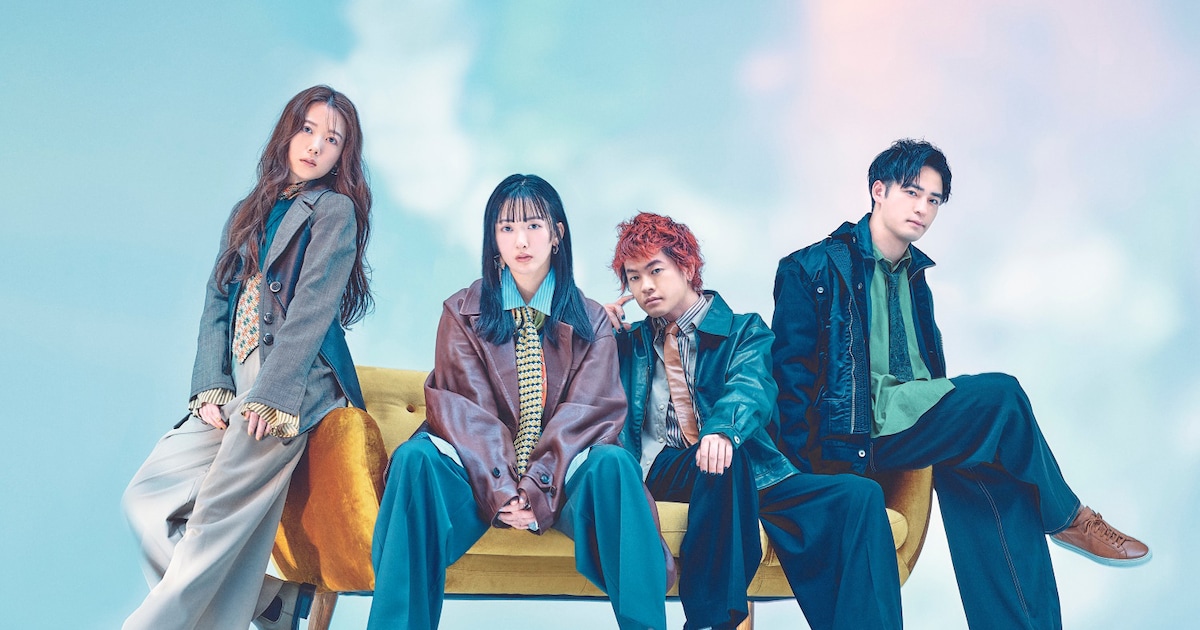
Hailing from Aichi Prefecture, the four-member band 緑黄色社会 (Ryokuoushoku Shakai) has been making waves since their formation in 2012 by high school friends and a childhood companion. Known for hits like Mela! with over 400 million streams, they’ve now been chosen to create the theme song for パリに咲くエトワール (Pari ni Saku Etoile), premiering across Japan on March 13, 2026. Their track 風に乗る (Kaze ni Noru) is a 書き下ろし (kakioroshi), or "specially written" piece, blending classical instruments with their signature sound to match the anime’s historical Parisian setting. Vocalist Haruko Nagaya shared that the song aims to give listeners 勇気 (yuuki), meaning "courage," to act despite life’s しがらみ (shigarami), or "constraints." It’s a message that perfectly aligns with the film’s story of chasing dreams.
The anime, directed by Goro Taniguchi of ONE PIECE FILM RED fame and featuring character designs by Katsuya Kondo of Studio Ghibli’s Kiki’s Delivery Service, follows two Japanese girls, Fujiko and Chizuru, as they 奮闘 (funtou), or "struggle," to become a painter and a ballerina in Paris. With a stellar voice cast including Ami Touma and Kenjiro Tsuda, and the film’s 公開 (koukai), or "release," on the horizon, this project is a cultural milestone. For you as a learner, it’s also a chance to hear how Japanese music and storytelling weave together to create emotional depth.
Cultural Context: Anime, Music, and a Historical Bridge
If you’re new to Japanese entertainment, you’ll quickly notice that the collaboration between anime and popular music is a huge part of the culture. Creating a 主題歌 (shudaika), or "theme song," isn’t just about catchy tunes—it’s about capturing the soul of the story. Bands like 緑黄色社会 (Ryokuoushoku Shakai) play a vital role in this tradition, crafting songs that resonate with viewers on a personal level. Bassist Shingo Anami described their song as a 架け橋 (kakehashi), or "bridge," linking today’s audience with the historical Paris of the anime. This idea of connection is central to Japanese storytelling, where emotions often transcend time and place.
The anime’s setting in early 20th-century Paris also reflects a real historical fascination in Japan. During the Meiji and Taisho eras, many Japanese artists traveled to Europe, soaking in Western influences that shaped modern Japanese art and culture. パリに咲くエトワール (Pari ni Saku Etoile) romanticizes this era of cross-cultural exchange, showing how Japanese creators interpret global history through a uniquely personal lens. As a learner, you’ll find that understanding these cultural layers deepens your grasp of the language, revealing why certain words and expressions carry the weight they do.
A Personal Connection: Band Members’ Insights
What makes this project even more meaningful is the personal touch from 緑黄色社会 (Ryokuoushoku Shakai). Haruko Nagaya expressed her excitement about the shared themes of art and music between the band and the anime, hoping their song inspires listeners to push past obstacles. Shingo Anami, whose mother ran a ballet school, felt a deep bond with the ballerina character Chizuru, making the project feel like a personal journey. His vision of the song as a 架け橋 (kakehashi) between eras shows how language in Japan often carries emotional and symbolic weight. For you, these insights are a goldmine for learning how Japanese speakers express feelings and connections authentically.
Learn Japanese from This Article
Let’s dive into some practical language lessons inspired by this exciting news. Here, you’ll find vocabulary straight from the context of anime and music, plus grammar patterns to help you express your own thoughts and hopes like a native speaker.
Key Vocabulary
| Japanese | Romaji | Meaning |
|---|---|---|
| 主題歌 | shudaika | theme song |
| 勇気 | yuuki | courage, bravery |
| 書き下ろし | kakioroshi | specially written, original (work) |
| しがらみ | shigarami | constraints, ties, obligations |
| 奮闘 | funtou | struggle, hard work, striving |
| 架け橋 | kakehashi | bridge (literal or figurative) |
| 公開 | koukai | release, public showing |
These words aren’t just random picks—they’re tied to the themes of inspiration and storytelling in this anime news. For example, when you hear 勇気 (yuuki) in a song or anime, it often signals a character’s determination, a concept deeply valued in Japanese narratives.
Grammar Spotlight: Expressing Wishes and Comparisons
Let’s look at two grammar patterns that can help you talk about hopes and similarities, just like the band members did when discussing their song.
1. 〜てほしい (Want someone to do something)
This pattern expresses a wish or desire for someone else to do something. It’s often used when talking about hopes for others, like inspiring an audience.
- Structure: Verb (te-form) + ほしい
- Examples:
- みんなにこの歌を聞いてほしい。 (Minna ni kono uta o kiite hoshii.) - I want everyone to listen to this song.
- あなたに勇気を持ってほしい。 (Anata ni yuuki o motte hoshii.) - I want you to have courage.
- 友達にこのアニメを見てほしい。 (Tomodachi ni kono anime o mite hoshii.) - I want my friend to watch this anime.
Use this when you’re expressing a personal wish for someone else’s action, like Haruko Nagaya hoping listeners gain courage from 風に乗る (Kaze ni Noru).
2. 〜ような (Like, as if, such that)
This pattern describes something in a comparative or descriptive way, often used to convey a feeling or intention. It’s perfect for poetic or symbolic language, like describing a song as a bridge.
- Structure: Verb/Adjective (dictionary form) + ような + Noun
- Examples:
- 架け橋のような歌を作りたい。 (Kakehashi no youna uta o tsukuritai.) - I want to create a song like a bridge.
- 勇気を与えるようなメッセージを伝えたい。 (Yuuki o ataeru youna messeeji o tsutaetai.) - I want to convey a message that gives courage.
- 夢のような物語が好きです。 (Yume no youna monogatari ga suki desu.) - I like stories that are like dreams.
This pattern is common in artistic contexts, helping you sound more nuanced when describing feelings or intentions, much like the band’s vision for their music.
Useful Expressions
Here’s a bonus phrase inspired by the band’s comments, perfect for expressing personal hopes:
- 〜を乗り越えてほしい (~ o norikoete hoshii) - I want (someone) to overcome ~
- Example: しがらみを乗り越えてほしい。 (Shigarami o norikoete hoshii.) - I want (them) to overcome constraints.
Closing Thoughts
As you dive into news like this, you’re not just learning Japanese—you’re stepping into the heart of Japan’s creative world, where language, music, and stories blend seamlessly. Whether it’s through the inspiring notes of 風に乗る (Kaze ni Noru) or the dreams of Fujiko and Chizuru in パリに咲くエトワール (Pari ni Saku Etoile), every word and phrase you pick up brings you closer to understanding Japan as it’s lived and felt by natives. Keep exploring, keep listening, and let this journey give you the 勇気 (yuuki) to chase your own dreams.
これからもよろしくお願いします。 Kore kara mo yoroshiku onegaishimasu.