
Dive into Japanese Culture with the New "Tōken Ranbu" Musical!
Hey there, Japanese learners! If you’ve ever wanted a peek into the vibrant world of Japanese entertainment while picking up some authentic language, you’re in for a treat. Today, we’re diving into the exciting opening of a new musical in the ミュージカル『刀剣乱舞』 (Myūjikaru 'Tōken Ranbu') series, a cultural phenomenon that blends history, gaming, and theater in a uniquely Japanese way. Let’s explore this latest production, uncover its cultural roots, and see what it can teach us about the language and spirit of Japan.
The Premiere of "A Quiet Midnight Awakening"
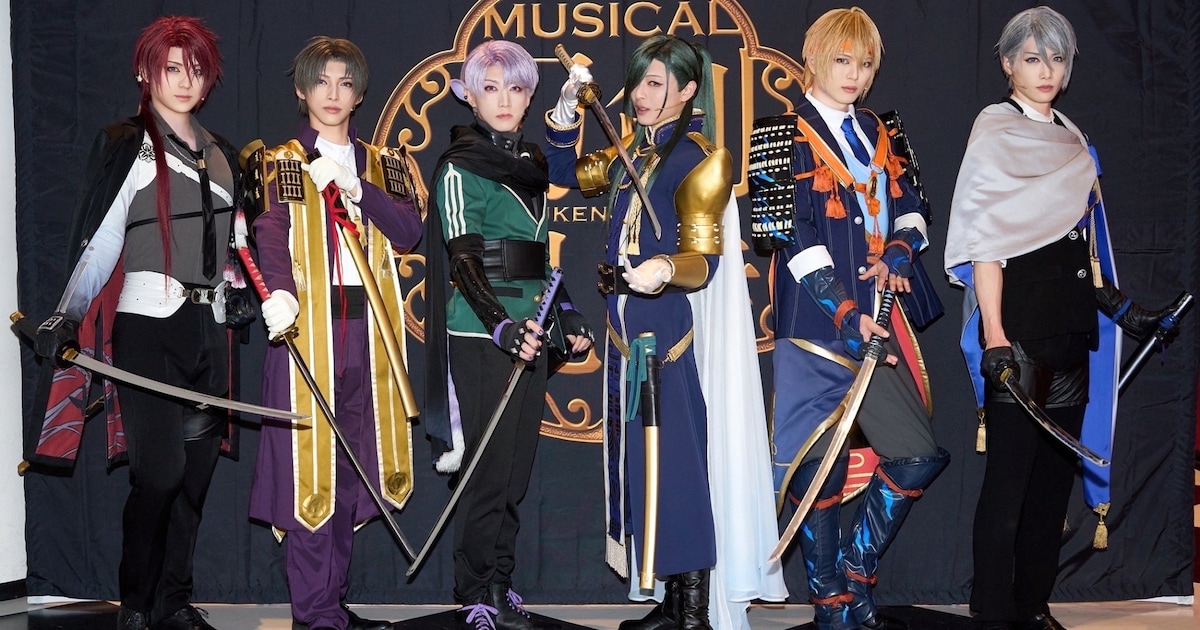
The latest installment of the ミュージカル『刀剣乱舞』 (Myūjikaru 'Tōken Ranbu') series, titled 静かなる夜半の寝ざめ (Shizuka naru Yowa no Nezeme, "A Quiet Midnight Awakening"), officially opened on December 14, 2025, at Kanadevia Hall in Tokyo. Based on the wildly popular game 刀剣乱舞ONLINE (Tōken Ranbu ONLINE), this musical brings to life historical Japanese swords as dashing warriors called 刀剣男士 (Tōken Danshi, "Sword Warriors"). In this story, six of these warriors are sent on a mission to the chaotic era of the 観応の擾乱 (Kannō no Jōran), a 14th-century conflict during Japan’s feudal past.
The cast is brimming with talent, featuring actors like Hiroki Araki as Nikkari Aoe, Shōgo Yamazaki as Samidare Go, and Daigo Katō as Yamabushi Kunihiro. On the 初日 (shonichi, "opening day"), Hiroki Araki shared that he feels the weight of representing all the 刀剣男士 (Tōken Danshi) in this first main musical since the series’ 10th anniversary. He’s determined to deliver an unforgettable 公演 (kōen, "performance") for every audience member, all the way to the 大千秋楽 (daissenshūraku, "final performance") on March 1, 2026. With shows touring Fukuoka, Osaka, and back to Tokyo, plus live streaming on DMM TV, fans everywhere can join in on this cultural event.
Voices from the Cast
The actors’ reflections give us a glimpse into the dedication behind Japanese theater. Shōgo Yamazaki, on his first 出陣 (shutsujin, "departure for battle") with a unit of just six swords, spoke of the many “firsts” in this production and the heightened 責任感 (sekininkan, "sense of responsibility") that comes with it. Daigo Katō, on his third deployment, expressed pride in embodying Yamabushi Kunihiro in his “extreme” form, feeling the weight of the series’ history during 稽古 (keiko, "rehearsal"). Other cast members shared how their camaraderie and personal growth through these roles reflect the deep connection Japanese performers have with their craft—a nuance you’ll notice in the language they use to express duty and teamwork.
Cultural Context
For us learners, the world of 刀剣乱舞 (Tōken Ranbu) is a fantastic window into Japan’s obsession with history and personification. The franchise taps into a deep reverence for 刀 (katana, "Japanese swords"), which are more than weapons—they’re symbols of honor and spirituality. Turning them into 刀剣男士 (Tōken Danshi, "Sword Warriors") mirrors a classic Japanese storytelling trope of anthropomorphism, seen everywhere from ancient folklore to modern anime.
The historical setting of 観応の擾乱 (Kannō no Jōran) during the 南北朝時代 (Nanbokuchō Jidai, "Northern and Southern Courts Period") also highlights Japan’s fascination with its feudal past. This era of conflict often symbolizes loyalty and betrayal in Japanese media, themes that are woven into language through formal speech and honorifics. As you learn Japanese, noticing these historical and respectful tones can help you grasp how context shapes communication in Japan.
Moreover, this musical is part of Japan’s “2.5D theater” culture, where 2D game and anime characters come to life on stage. It’s a perfect blend of otaku fandom and traditional arts, showing how Japanese entertainment bridges old and new. Engaging with fan terminology and expressions of excitement in Japanese can be a fun way to connect with native speakers over shared passions like this!
Learn Japanese from This Article
Let’s turn this cultural dive into a language lesson. Here are some key words and grammar points inspired by the ミュージカル『刀剣乱舞』 (Myūjikaru 'Tōken Ranbu') world that you can start using today. These are terms you’d hear in theater, gaming, or historical contexts in Japan, taught the way native speakers learn them—through real usage and cultural connection.
Key Vocabulary
| Japanese | Romaji | Meaning |
|---|---|---|
| 刀剣男士 | Tōken Danshi | Sword Warriors (personified historical swords) |
| 出陣 | Shutsujin | Departure for battle, sortie |
| 公演 | Kōen | Performance, show |
| 大千秋楽 | Daissenshūraku | Final performance of a long run |
| 稽古 | Keiko | Rehearsal, practice |
| 責任感 | Sekininkan | Sense of responsibility |
| 初日 | Shonichi | Opening day, first day |
Grammar Spotlight
Let’s look at two useful grammar patterns that can help you express sequences and intentions, much like the actors preparing for their roles or warriors heading into battle.
〜てから (after doing ~)
This pattern connects two actions, showing that one happens after the other. It’s perfect for describing preparations or sequences, like rehearsing before a performance.
- Structure: Verb (te-form) + から
- Examples:
- 稽古してから公演が始まります。 (Keiko shite kara kōen ga hajimarimasu.) - After rehearsing, the performance begins.
- 食事してから出陣します。 (Shokuji shite kara shutsujin shimasu.) - After eating, we depart for battle.
- 準備してから会議に行きます。 (Junbi shite kara kaigi ni ikimasu.) - After preparing, I’ll go to the meeting.
Use this when you want to clearly show the order of events, a common need in storytelling or planning—something the 刀剣男士 (Tōken Danshi) would surely appreciate!
〜よう(に) (in order to, so that)
This pattern expresses purpose or intention, often used to explain why someone does something. It’s great for talking about goals, like an actor’s dedication to a perfect show.
- Structure: Verb (dictionary form) + よう(に)
- Examples:
- 良い公演をするよう頑張ります。 (Yoi kōen o suru yō ganbarimasu.) - I’ll do my best to give a good performance.
- 観客を楽しませるよう演じます。 (Kankyaku o tanoshimaseru yō enjimasu.) - I’ll perform to entertain the audience.
- 失敗しないよう稽古します。 (Shippai shinai yō keiko shimasu.) - I’ll rehearse so that I don’t fail.
You’ll hear this often in motivational or formal contexts in Japan, reflecting a sense of purpose—perfect for capturing the spirit of the 刀剣男士 (Tōken Danshi) on their mission.
Useful Expression
Here’s a phrase straight from the theater world that you can use to sound natural:
- 初日おめでとう! (Shonichi omedetō!) - Congratulations on the opening day! This is a friendly way to cheer someone on at the start of a big event, often heard in Japanese entertainment circles.
I hope this glimpse into the world of ミュージカル『刀剣乱舞』 (Myūjikaru 'Tōken Ranbu') has inspired you to explore more of Japan’s rich culture and language. Keep practicing these words and patterns, and you’ll be speaking like a native in no time!
これからもよろしくお願いします。 Kore kara mo yoroshiku onegaishimasu.