
How "Obocchama-kun" Became a Hit in India: Anime’s Cross-Cultural Journey
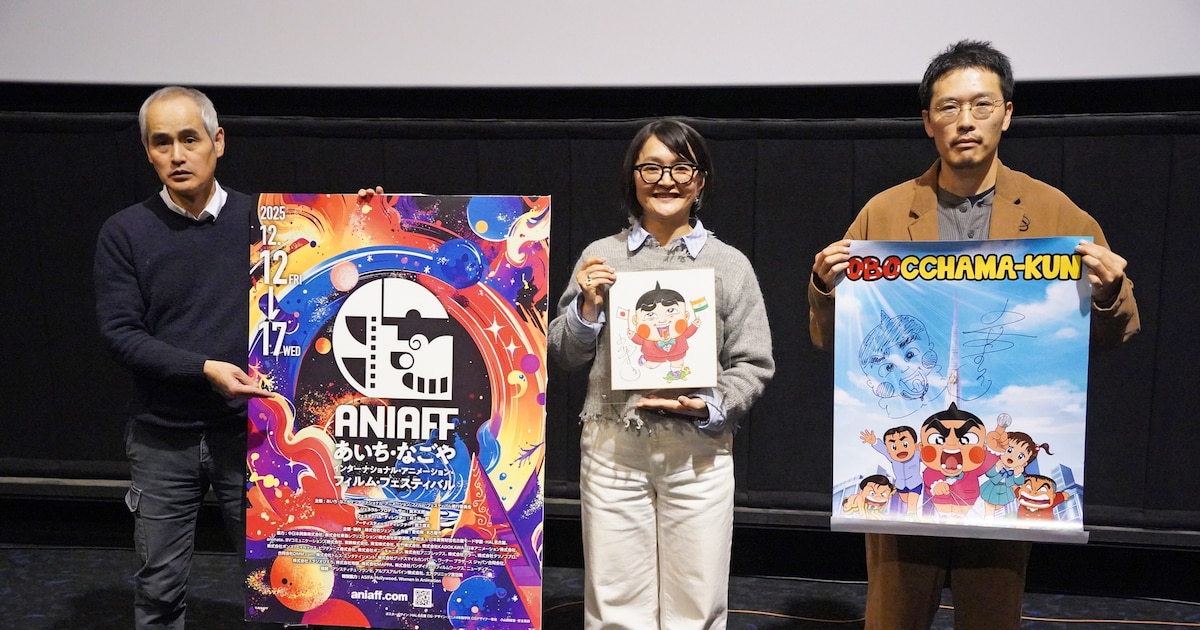
If you’ve ever wondered how Japanese pop culture can captivate hearts halfway across the world, here’s a story that’ll blow your mind. A classic anime from 1989, おぼっちゃまくん (Obocchama-kun), has not only found a surprising new fanbase in India during the COVID-19 pandemic but also inspired a brand-new continuation series co-produced by Japan and India. On December 14, 2025, this fresh take premiered in Japan at the first-ever Aichi-Nagoya International Animation Film Festival. Let’s dive into this incredible cross-cultural journey, explore the chaotic charm of おぼっちゃまくん (Obocchama-kun), and pick up some authentic Japanese along the way!
A Surprising Hit During Tough Times
Imagine being stuck at home during the コロナ禍 (koronaka), the COVID-19 crisis, and stumbling upon a show so wild and funny that it lifts your spirits instantly. That’s exactly what happened in India when おぼっちゃまくん (Obocchama-kun) aired during those dark days. According to Maiko Sumida from TV Asahi, the ハチャメチャ (hachamecha)—or chaotic and absurd—adventures of the main character, 御坊茶魔 (Obo Chama), a spoiled yet endearing rich kid, became a 大ヒット (daihitto), a massive blockbuster. Indian audiences connected with the humor, family bonds, and strict school settings, which mirrored their own cultural values.
The popularity was so 爆発的 (bakuhatsuteki), meaning explosive, that fans demanded more. This led to an exciting collaboration: a new 52-episode series, co-produced by Japan and India, with each episode around 12 minutes long. While the animation was created in India using Flash, the 世界観 (sekaikan), or unique atmosphere of the story, stayed true to the original. At the Japan premiere, fans saw Chama joining a cheer squad, running for school election, and hilariously fumbling through a urine test—pure, nostalgic chaos!
Why India? A Bold Collaboration
So, why create a new series specifically for India? Sumida explained that after the original episodes ran out, Indian fans couldn’t wait for more. Producing in Japan alone wouldn’t match India’s fast-paced broadcast needs. So, why not make it in India? With 400 million children—a market of “future and hope,” as original creator Yoshinori Kobayashi put it—this was a golden opportunity. Kobayashi, the project’s biggest cheerleader, supported the idea wholeheartedly under his careful 監修 (kanshuu), or supervision.
This isn’t just a rerun—40 of the 52 episodes are brand-new stories, preserving the spirit of the show. Even the iconic catchphrase ともだちんこ (Tomodachinko) was updated to フレンドリッチ (Furendoricchi), meaning “Friendly Rich,” to avoid cultural misunderstandings. It’s a fresh 挨拶 (aisatsu), or greeting, that you’ll hear everywhere in the new episodes!
Preserving the Soul of Chama’s Gags
Takaki Okano from Shin-Ei Animation shared that despite the shift to Flash animation, the team focused on keeping the “soul of the gags” from 35 years ago. Kobayashi’s insight was key: gags aren’t just random events; they’re driven by Chama’s quirky actions. It’s not enough to rely on rich-kid stereotypes—the charm lies in Chama’s movements and personality. Even with stricter modern rules, the writers went all out with bold humor to keep the essence alive.
Interestingly, the show wasn’t heavily adapted for India. Signs and text stayed in Japanese, as fans loved the original vibe. The production was a true partnership: Japan provided scripts, while Indian teams crafted storyboards, often drawing from their deep love for the classic series. Despite differences in style—like camera work or gag timing—both sides balanced creativity with tradition.
Dreaming Big: A Bollywood-Style Future?
Looking ahead, the team has ambitious plans. Sumida dreams of an おぼっちゃまくん (Obocchama-kun) movie in India, maybe pitting Chama against a maharaja! With India’s cinematic power and growing animation industry—supported by a young, talented workforce including many women—this isn’t a far-fetched idea. Kobayashi has even offered to write an original story for it. Unlike Japan, where animator shortages are a challenge, India’s talent pool opens doors to such exciting projects.
Cultural Context: Anime as a Global Bridge
For many English-speaking learners, the success of おぼっちゃまくん (Obocchama-kun) in India might seem unexpected, but it highlights how Japanese anime often carries universal themes like family and humor that cross borders. Yet, it’s steeped in Japanese sensibilities, like ダジャレ (dajare), or puns, and exaggerated characters. In India, where family values and strict schooling resonate deeply, Chama’s antics and relationships hit home, especially during the isolating days of the pandemic.
This collaboration also reflects Japan’s growing interest in co-productions, blending local talent with Japanese storytelling. Anime isn’t just entertainment—it’s a cultural bridge. Understanding playful terms like ともだちんこ (Tomodachinko) or the thoughtful shift to フレンドリッチ (Furendoricchi) shows how language and humor tie into cultural sensitivity, something the team navigated with care.
Learn Japanese from This Article
Ready to pick up some authentic Japanese from this fascinating story? Let’s break down key vocabulary and grammar that’ll help you sound more natural, just like how Japanese kids learn their language—through context and real usage.
Key Vocabulary
Here are some words and phrases straight from the world of おぼっちゃまくん (Obocchama-kun) and its journey to India:
| Japanese | Romaji | Meaning |
|---|---|---|
| 大ヒット | daihitto | big hit, blockbuster |
| ハチャメチャ | hachamecha | chaotic, wild, absurd |
| コロナ禍 | koronaka | the COVID-19 crisis/pandemic period |
| 挨拶 | aisatsu | greeting, salutation |
| 爆発的 | bakuhatsuteki | explosive, booming (in popularity) |
| 世界観 | sekaikan | worldview, atmosphere of a story |
| 監修 | kanshuu | supervision, editorial oversight |
These words aren’t just random—they’re tied to real contexts. For example, describing a show as ハチャメチャ (hachamecha) instantly paints a picture of wild, absurd fun, something you’ll hear often when talking about quirky anime like this one.
Grammar Spotlight: 〜ちゃう and 〜ないか
Let’s look at two grammar patterns that capture the casual, expressive vibe of Japanese as it’s spoken naturally.
〜ちゃう: Unintentional or Regrettable Action
This is a casual, slangy version of 〜てしまう, often used to express something happening unintentionally or with a sense of regret. It’s super common in everyday speech, especially among friends or in storytelling.
- Pattern: Verb (て-form, drop て) + ちゃう
Examples:
- 忘れちゃった! (Wasurechatta!) - I forgot (and I regret it)!
- 笑っちゃうよ。 (Waracchau yo.) - I can’t help but laugh.
- 見ちゃったんだ。 (Michatta n da.) - I ended up seeing it (oops).
When to Use: Use this when you want to show a mistake or something you didn’t mean to do. It’s perfect for talking about Chama’s silly mishaps in おぼっちゃまくん (Obocchama-kun)—like accidentally causing chaos at school!
〜ないか: Suggesting or Proposing an Idea
This pattern is used to casually suggest or propose something, often with a curious or exploratory tone. It’s less direct than a command and feels friendly.
- Pattern: Verb (negative form, drop い) + ないか
Examples:
- 一緒に見ないか? (Issho ni minai ka?) - Why don’t we watch together?
- 新しいアニメを探さないか? (Atarashii anime o sagasanai ka?) - How about looking for a new anime?
- インド版もチェックしないか? (Indo-ban mo chekku shinai ka?) - Shall we check out the Indian version too?
When to Use: This is great for casual invitations or brainstorming, like suggesting to a friend to watch the new おぼっちゃまくん (Obocchama-kun) series. It’s polite yet informal, showing openness to the other person’s opinion.
Useful Expression: フレンドリッチ (Furendoricchi)
Beyond grammar, let’s grab a fun phrase from the show itself. フレンドリッチ (Furendoricchi), meaning “Friendly Rich,” is the updated catchphrase for Chama in the new series. It’s a playful blend of “friend” and “rich,” capturing his lovable, spoiled nature. Try throwing it into a conversation as a quirky greeting or nickname for a friend who’s always splurging—it’ll definitely get a laugh!
Closing Thoughts
The journey of おぼっちゃまくん (Obocchama-kun) from a 1989 Japanese classic to a modern hit in India shows just how powerful storytelling can be in connecting cultures. As you learn Japanese, remember that it’s not just about words—it’s about understanding the humor, values, and quirks behind them. Keep exploring anime, pick up casual phrases like フレンドリッチ (Furendoricchi), and don’t be afraid to make mistakes (or 忘れちゃう (wasurechau) a few things along the way)!
これからもよろしくお願いします。 Kore kara mo yoroshiku onegaishimasu.