
A Heartfelt Reunion at the Aichi-Nagoya Animation Film Festival
Hey there, anime fans and Japanese learners! If you’ve ever been swept away by the emotional storytelling and breathtaking visuals of Japanese animation, today’s news will warm your heart. We’re diving into a special moment at the first-ever あいち・なごやインターナショナル・アニメーション・フィルム・フェスティバル (Aichi Nagoya Intānashonaru Animēshon Firumu Fesutibaru), where director Mamoru Hosoda and actor Ryunosuke Kamiki reunited to celebrate the iconic film サマーウォーズ (Samā Wōzu, Summer Wars). This isn’t just a nostalgic trip down memory lane—it’s a fantastic opportunity to peek into the world of Japanese cinema, uncover cultural treasures, and even pick up some memorable lines to practice your Japanese!
A Nostalgic Screening of Summer Wars
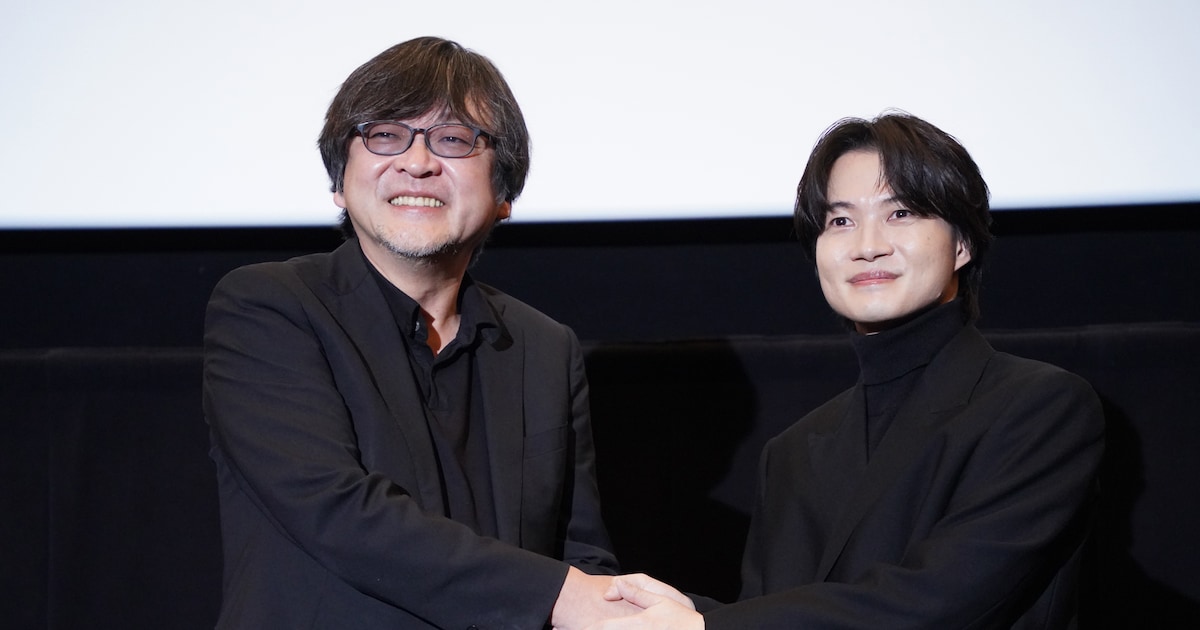
On December 13, 2025, the city of Nagoya hosted a special 上映 (jōei, screening) of サマーウォーズ (Samā Wōzu), the 2009 masterpiece by director Mamoru Hosoda, as part of the inaugural Aichi-Nagoya International Animation Film Festival. After the screening, Hosoda and Ryunosuke Kamiki, the voice actor behind the protagonist Kenji Koiso, had a heartwarming 再会 (saikai, reunion) as they took the stage for a talk. If you haven’t seen サマーウォーズ yet, it’s a captivating mix of family drama and digital adventure. Seeing these two come together after 16 years was a true highlight for fans.
Hosoda couldn’t hide his surprise at how much Kamiki has grown, chuckling, “You’ve gotten so big!” Kamiki laughed in response, saying, “I was 16 back then, and now I’m 32. Double the age!” Their 思い出 (omoide, memories) of working on the film poured out during the chat. Hosoda shared how he cast Kamiki right after his 声変わり (koegawari, voice change) during puberty, seeking a fresh and charming tone for Kenji. Kamiki, meanwhile, reminisced about how thrilled he was as a high schooler to land such a role, describing the recording 現場 (genba, worksite or scene) as both challenging and exciting.
The crowd’s favorite moment? When Kamiki, with a hint of nerves, delivered Kenji’s iconic line, よろしくお願いしまぁぁぁすっ!! (Yoroshiku onegaishimāāāsu!!, “Please take care of me!!”). The audience erupted in delight, proving just how timeless this film remains.
Reflecting on a Story That Still Resonates
As they spoke, Hosoda reflected on how the world of サマーウォーズ feels more relevant now than ever. In 2009, the internet was often seen as a hopeful, almost utopian space, and Hosoda wanted to capture that optimism. He called it a “bright and wholesome” work, a feeling that still holds true. He also shared a personal touch: the character Sakae Jinnouchi, the fierce yet loving grandmother, was inspired by his own grandmother—a strong figure who kept her family united. This personal connection is what makes Hosoda’s stories so authentic.
Kamiki expressed how 誇らしい (hokorashii, proud) he feels to be part of a film that continues to touch so many hearts. Fans and even staff from other projects still tell him how much they love サマーウォーズ, and he’s delighted to see it aired yearly on programs like 金曜ロードショー (Kinyō Rōdoshō, Friday Roadshow). Both Hosoda and Kamiki shared their gratitude for the enduring love this film receives, with Hosoda calling it a “fortunate work” blessed by an incredible team and appreciative fans.
Cultural Context: Anime and Family in Japan
For those learning Japanese, events like this film festival reveal how deeply アニメ (anime, animation) is embedded in Japanese culture. It’s not just entertainment—it’s a celebrated art form that unites communities, as seen in gatherings like this one in Nagoya. Directors like Hosoda are admired for crafting stories that resonate globally while staying grounded in Japanese values like family and perseverance.
A key theme in サマーウォーズ is the portrayal of family dynamics, especially through Sakae Jinnouchi. The concept of a matriarch uniting a large, extended family reflects the traditional Japanese value of 家族 (kazoku, family) as a cornerstone of life. Hosoda drawing from his own grandmother shows how personal experiences often shape Japanese storytelling, adding emotional layers that connect with audiences worldwide. And of course, Kamiki’s dramatic delivery of よろしくお願いします (yoroshiku onegaishimasu, “please take care of me” or “nice to meet you”) highlights how tone and context can transform everyday phrases into something unforgettable in Japanese communication.
Learn Japanese from This Article
If you’ve been inspired by this heartwarming reunion, let’s dive into some language lessons straight from the story. Whether you’re watching サマーウォーズ or chatting about anime with friends, these words and grammar points will help you sound more natural.
Key Vocabulary
| Japanese | Romaji | Meaning |
|---|---|---|
| 再会 | saikai | reunion, meeting again |
| 上映 | jōei | screening, showing (of a movie) |
| 登壇 | tōdan | taking the stage, appearing (at an event) |
| 思い出 | omoide | memory, recollection |
| 声変わり | koegawari | voice change (during puberty) |
| 誇らしい | hokorashii | proud, gratifying |
| 現場 | genba | worksite, scene (of filming, etc.) |
Grammar Spotlight
Let’s look at two useful grammar patterns that can help you express yourself more naturally, just like the heartfelt reflections shared by Hosoda and Kamiki.
〜たびに (tabi ni): Every time, Whenever
This pattern is used to describe something that happens repeatedly whenever a certain action or situation occurs. It often carries an emotional tone.
- Structure: Verb (ta-form) + たびに (tabi ni)
- Example 1: サマーウォーズを見たびに、家族の大切さを思い出します。 (Samā Wōzu o mita tabi ni, kazoku no taisetsusa o omoidashimasu.) - Every time I watch Summer Wars, I’m reminded of the importance of family.
- Example 2: アニメを見たびに、日本に行きたくなります。 (Anime o mita tabi ni, Nihon ni ikitaku narimasu.) - Whenever I watch anime, I feel like going to Japan.
- Usage: Use this to express recurring emotions or thoughts tied to a specific trigger, like watching a beloved film.
〜つつ (tsutsu): While, Although
This pattern describes doing two things simultaneously or highlights a contrast between two actions or states. It’s a bit more formal but very useful.
- Structure: Verb (stem form) + つつ (tsutsu)
- Example 1: 緊張しつつ、台詞を言いました。 (Kincho shi tsutsu, serifu o iimashita.) - While feeling nervous, I said the lines. (Think of Kamiki delivering that iconic line!)
- Example 2: 忙しく働きつつ、家族との時間を大切にしています。 (Isogashiku hataraki tsutsu, kazoku to no jikan o taisetsu ni shiteimasu.) - While working busily, I cherish time with my family.
- Usage: Great for describing multitasking or contrasting emotions, often seen in reflective or storytelling contexts.
Useful Expression
You’ve heard it in this article, and it’s straight from Kenji himself: よろしくお願いします (yoroshiku onegaishimasu, “please take care of me” or “nice to meet you”). This versatile phrase is a staple in Japanese communication, used to show politeness and goodwill. Stretch it out like Kamiki did with よろしくお願いしまぁぁぁすっ!! (Yoroshiku onegaishimāāāsu!!) for dramatic effect when you’re feeling playful or referencing the film!
Closing Thoughts
What a joy it’s been to revisit サマーウォーズ through this touching reunion of Mamoru Hosoda and Ryunosuke Kamiki. Their stories remind us why Japanese animation holds such a special place in so many hearts, blending personal inspiration with universal themes. As you continue your Japanese learning journey, let moments like these inspire you to dive deeper into the language and culture. Keep practicing those lines, and who knows—maybe one day you’ll deliver a heartfelt よろしくお願いします of your own!
これからもよろしくお願いします。 Kore kara mo yoroshiku onegaishimasu.