
If you've tried learning Japanese from Western textbooks, you've probably been pushed to start with romaji, that system of Latin letters meant to "simplify" things for English speakers. But let's be honest: romaji just delays your real progress, trapping you in an English mindset that doesn't fit Japanese at all. Japanese kids dive right into hiragana, the graceful script that forms the backbone of their language, and you can too—building a foundation that's authentic and strong, just like generations of native speakers have done for centuries.
Imagine unlocking Japanese without twisting it into awkward translations or foreign alphabets. In this lesson, we'll uncover hiragana's poetic origins, master its strokes and sounds, and practice reading it in real contexts. You'll see why embracing hiragana natively empowers you to think in Japanese from the start, leaving those confusing shortcuts behind.
The Origins of Hiragana: A Script Born from Poetry and Simplicity
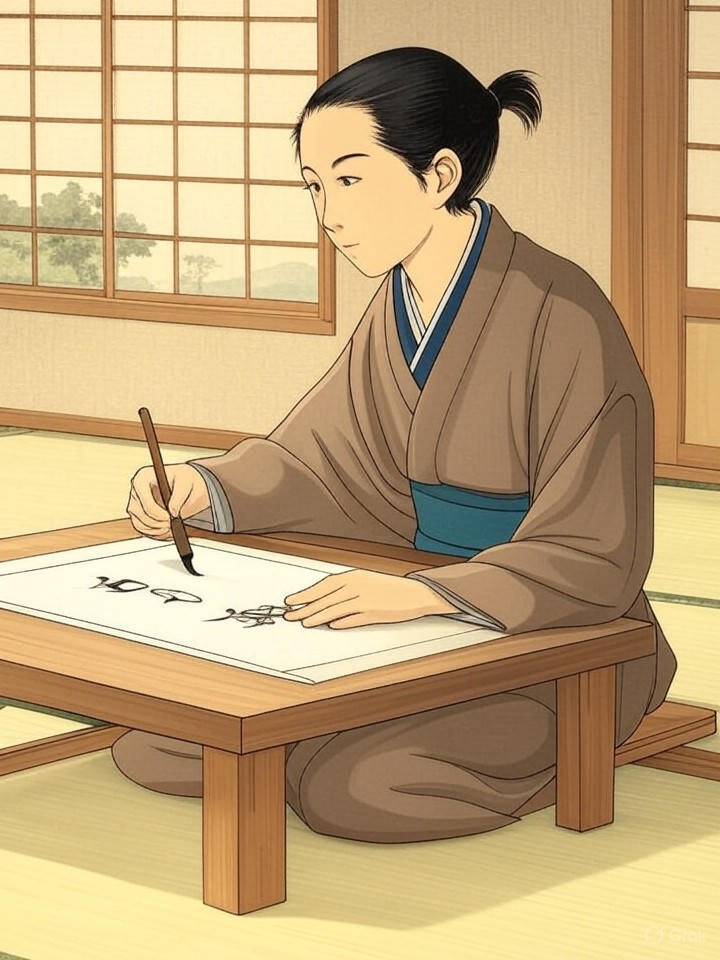
Hiragana emerged in Japan's Heian period, around the 8th to 9th centuries, during a golden age of art and literature. At the time, educated men wrote in intricate Chinese characters called kanji, but these didn't easily capture the nuances of spoken Japanese. Women in the imperial court, often barred from formal kanji study, began simplifying these characters into flowing cursive forms for poetry and diaries.
This simplification started with man'yōgana, where kanji were used solely for their phonetic sounds to spell Japanese syllables. Over time, these evolved into hiragana's elegant curves, drawn from the sōsho or "grass script" style of kanji. It was a quiet revolution, making writing accessible and expressive for everyday Japanese words that kanji couldn't fully represent.
By the 9th century, hiragana was established for native grammar, particles, and poetic expression—think classics like The Tale of Genji. Japanese children learn it first in school through songs and repetition, connecting to this history without any Western interference. You can tap into that same simplicity, feeling the cultural depth as you write.
Understanding Hiragana's Role in Japanese
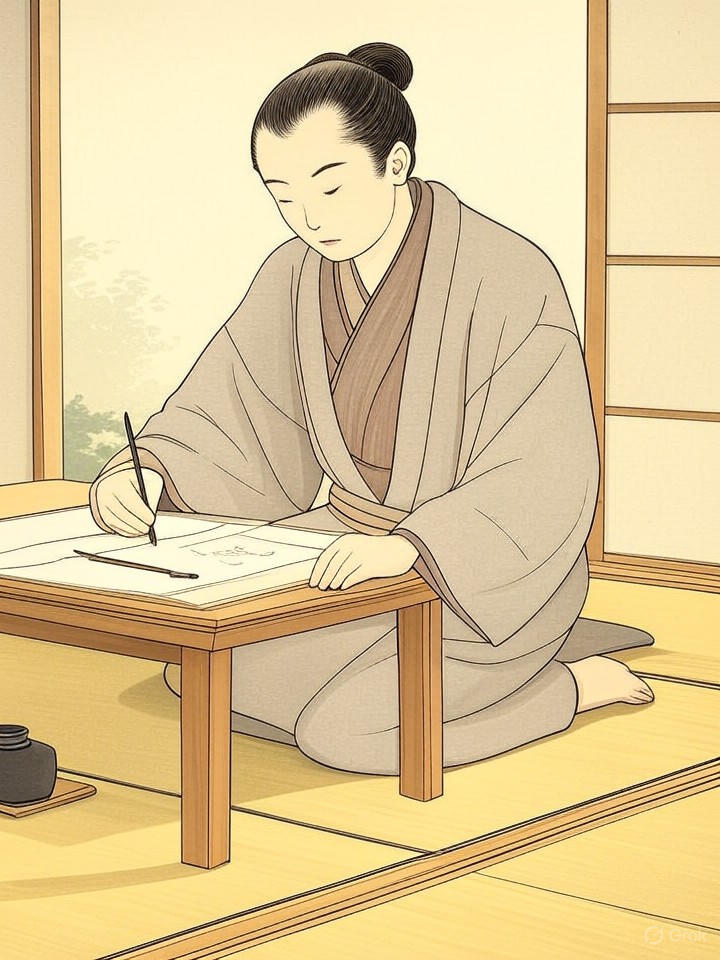
Hiragana is one of three Japanese scripts, alongside katakana and kanji, but it's uniquely tied to the language's native core. It handles morphology—the flexible parts of words like verb endings and particles that shape sentences. For instance, while kanji might show a word's root meaning, hiragana adds the endings, as in 食べる (taberu, to eat).
Each hiragana character represents a mora, a basic sound unit like あ (a) or か (ka), making it purely phonetic. Schools in Japan teach it early because it's vital for reading anything native—kids master the 46 characters before moving to kanji. By prioritizing hiragana, you'll understand how Japanese words build naturally, free from English alphabet mismatches.
Hiragana appears in kids' books, furigana guides over kanji, and casual notes. It's what makes Japanese feel fluid and alive. Skip romaji, and you'll grasp this essence right away.
Memorizing and Writing Hiragana: Stroke Order Matters
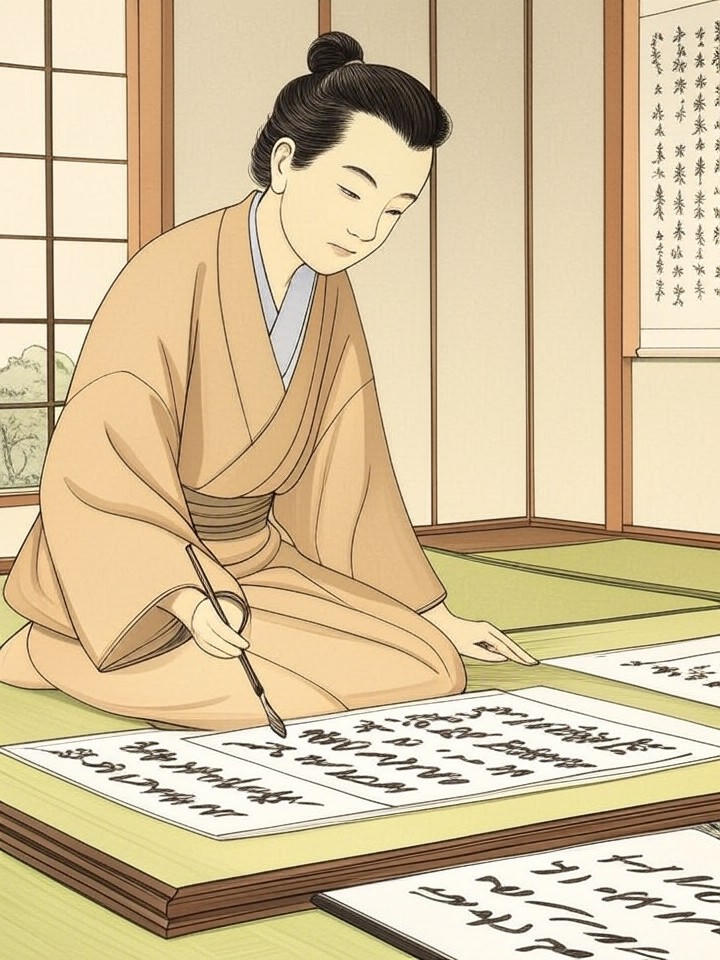
Proper stroke order is key in Japanese writing, ensuring hiragana's cursive flow and readability. You start from the top-left, moving right or down, just as kids practice in workbooks until it's second nature. Trace, then write freely—repetition builds confidence without shortcuts.
Hiragana has 46 basic characters, grouped by sounds: vowels, then consonant lines like ka, sa, and so on. Focus on the native shapes; romaji is just a brief aid. Use mnemonics from their kanji roots to remember them authentically.
Basic Hiragana Chart
| Hiragana | Romaji | Stroke Order Tip | Origin Mnemonic |
|---|---|---|---|
| あ | a | Two strokes: horizontal then curve down. | From 安 (an, peace)—a peaceful flow. |
| い | i | Two vertical strokes with hooks. | From 以 (i, since)—like a hooked line. |
| う | u | Two strokes: loop and tail. | From 宇 (u, eaves)—a curving roof. |
| え | e | Two strokes: cross and curve. | From 衣 (e, clothes)—a folded garment. |
| お | o | Three strokes: horizontal, vertical, curve. | From 於 (o, at)—a winding path. |
Continue with the ka-line: か (ka), き (ki), く (ku), け (ke), こ (ko). For か, draw a vertical, add a crossbar, then a hook—from 加 (ka, add), like adding elements. Practice rows like sa, ta, na, ha, ma, ya, ra, wa, and lone ん (n), writing each five times while voicing the sound.
Japanese phonics link characters to words, like あ with あひる (ahiru, duck). Avoid English ties; let the forms embed naturally through practice.
Reading Basic Words and Sentences in Hiragana
With the characters down, let's read actual words in hiragana alone, like あかい (akai, red) or いぬ (inu, dog). This phonetic script spells native terms completely, no kanji needed yet. Build intuition by sounding them out.
Here are simple words to practice:
| Hiragana | Romaji | Meaning |
|---|---|---|
| こんにちは | konnichiwa | Hello |
| ありがとう | arigatou | Thank you |
| すし | sushi | Sushi |
| さくら | sakura | Cherry blossom |
Now, try sentences in hiragana first, then check meanings. This mirrors how kids learn through context.
わたしはねこがすきです。 (watashi wa neko ga suki desu.) — I like cats.
あめがふっています。 (ame ga futte imasu.) — It's raining.
Read aloud without romaji crutches. You'll see hiragana handling particles like は (wa) and が (ga), essential for real Japanese structure.
Conclusion
You've taken a big step by embracing hiragana natively, connecting to its historical roots and practical role in Japanese. Practice daily—label your world in hiragana, write sentences, and immerse in simple texts. This approach, free from Western distortions, will make your learning faster and more intuitive.
In future lessons, we'll build on this with katakana and basic kanji.
Until next time,
これからもよろしくお願いします。
Kore kara mo yoroshiku onegaishimasu