
On March 31, NTT Docomo will officially bring its iconic iモード (ai mōdo) service to an end. With this 終了 (shuuryou, termination), a 27-year chapter of mobile internet history closes in Japan. At the same time, Docomo’s third-generation (3G) mobile service FOMA will also shut down, ending a 25-year run.
For many in Japan, this isn’t just a technical update—it’s the end of an era.
The Rise of the World’s First Mobile Internet Service
i-mode began in February 1999. At the time, the world was focused on Y2K (the “Year 2000 problem”), the dot-com bubble, and the spread of high-speed ADSL internet connections.
On February 22, 1999, i-mode launched as the world’s first mobile internet service. It offered:
- Email (carrier email)
- Web browsing using a simplified version of HTML
For 1999, this was revolutionary. Mobile phones were no longer just for calls—they became internet-connected devices.
The service grew explosively. i-mode reached its ピークを迎える (piiku o mukaeru, reach its peak) in 2010 with approximately 49 million 契約 (keiyaku, subscriptions). FOMA peaked in 2011 with around 57 million subscriptions.
Those numbers show just how central i-mode once was to daily life in Japan.
What Is Ending on March 31?
Docomo announced that, 3月31日をもって (san-gatsu sanjuuichi-nichi o motte), or “effective March 31,” both i-mode and FOMA will end.
The grammar pattern 〜をもって means “as of” or “effective” a certain date. It’s commonly used in formal announcements.
Example:
- 本日をもってサービスを終了します。 Honjitsu o motte sābisu o shuuryou shimasu. “As of today, we are ending the service.”
In addition to i-mode itself, several related services will also end 〜に伴い (ni tomonai, due to / accompanied by this change):
- iモードメール (ai mōdo mēru) – i-mode email
- iMenu (ai menyū) – a portal guiding users to services
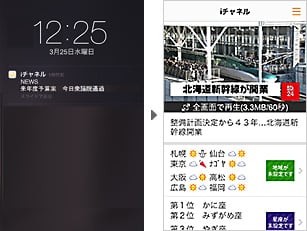
- iチャネル (ai chaneru) – a service that 配信する (haishin suru, delivers/distributes) news, weather, and other information
The grammar pattern 〜に伴い means “due to” or “as a result of.”
Example:
- サービス終了に伴い、関連機能も停止します。 Sābisu shuuryou ni tomonai, kanren kinō mo teishi shimasu. “Due to the service ending, related functions will also stop.”
If users want to continue using their i-mode email address after April, they must switch by March 31 to a 4G LTE (Xi) or 5G-compatible device and sign up for SPモード (SP mōdo), which is 対応する (taiou suru, compatible with) those newer networks.
The Smartphone Shift
Although i-mode once dominated, things began to change between 2008 and 2009, when the iPhone and Android smartphones were released in Japan.
After that, i-mode subscriptions gradually declined. In September 2019, Docomo stopped accepting new i-mode applications. Over the years, services were reduced 段階的に (dankaiteki ni, gradually, in stages).
For example:
- March 2020: iモード検索 (i-mode search) ended
- November 2021: iモード公式サイト (official i-mode sites) ended
In other words, the service didn’t disappear overnight. It was 縮小する (shukushou suru, scaled down) step by step.
“Its Legacy Lives On”
At an October 2019 earnings press conference, then-president Kazuhiro Yoshizawa commented on the planned end of FOMA and i-mode:
“i-mode greatly contributed to the expansion of mobile internet. Its content and applications have been passed on almost as they were to smartphones and continue to live on.”
That’s an important cultural point. Many of the app ecosystems, content models, and mobile habits Japanese users developed during the i-mode era became the foundation for today’s smartphone services.
What feels normal now—checking news on your phone, receiving email instantly, browsing websites on the go—was once groundbreaking.
Cultural Context: Why i-Mode Mattered
Before smartphones became global standards, Japan’s mobile phones—often called “feature phones” in English—were already incredibly advanced.
i-mode allowed Japanese users to:
- Send email easily
- Access web pages
- Subscribe to paid digital content
This created a unique mobile culture years ahead of other countries. By the time the iPhone arrived in Japan, many users were already comfortable using their phones as internet devices.
So while i-mode is ending, its influence is still visible in how Japan—and the world—uses mobile internet today.
Learn Japanese from This Article
Key Vocabulary
| Japanese | Romaji | Meaning |
|---|---|---|
| 終了 | shuuryou | termination; end |
| 契約 | keiyaku | contract; subscription |
| 対応(する) | taiou (suru) | to support; to be compatible with |
| 配信(する) | haishin (suru) | to distribute; deliver (content) |
| 段階的に | dankaiteki ni | gradually; in stages |
| 縮小(する) | shukushou (suru) | to scale down; reduce |
| ピークを迎える | piiku o mukaeru | to reach a peak |
Grammar Spotlight
1. 〜をもって (as of; effective)
Used in formal announcements to mark a specific date or moment.
Structure: Noun + をもって
Example:
- 3月31日をもって終了します。 San-gatsu sanjuuichi-nichi o motte shuuryou shimasu. “It will end as of March 31.”
You’ll often see this in business notices and official statements.
2. 〜に伴い (due to; accompanied by)
Used to explain that one event happens as a result of another.
Structure: Noun + に伴い
Examples:
- サービス終了に伴い、メールも使えなくなります。 Sābisu shuuryou ni tomonai, mēru mo tsukaenaku narimasu. “Due to the service ending, email will also become unusable.”
This expression is common in news and formal writing.
Useful Expression
- 歴史に幕を下ろす Rekishi ni maku o orosu “To bring history to a close” / “to close a chapter”
This phrase literally means “to lower the curtain on history,” like the end of a play. It’s often used when a long-running service or era ends.
Continue Learning
Working on your reading skills? Our Katakana Essentials: Adapting Global Words to Japanese lesson is a great next step.
To understand more about tech, explore our Basic Vocabulary Building: Embracing Words Without Latin Ties.
Want to learn more about tech? Check out our lesson on Reading and Writing in Japanese II: Hiragana and Katakana.
A service that once defined Japan’s mobile world now reaches its official 終了 (shuuryou). But the habits, technology, and culture it created continue—quietly—every time someone checks their smartphone.
これからもよろしくお願いします。 Kore kara mo yoroshiku onegaishimasu.